Twinkleby PC Review
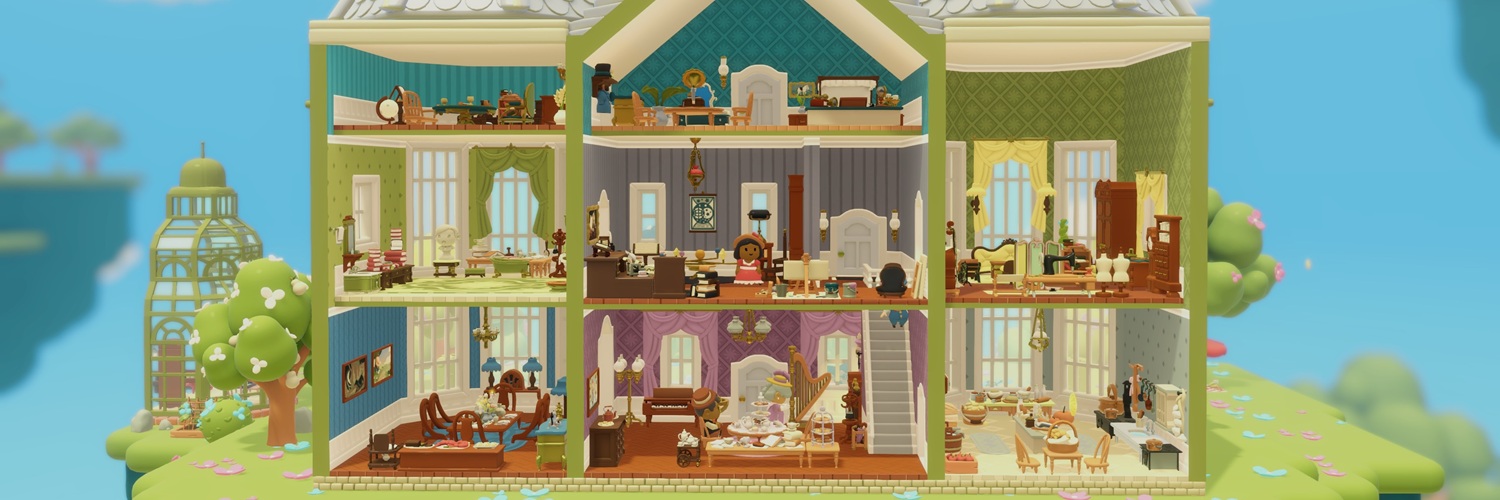
Might and Delight is a Swedish indie studio based in Stockholm that I have always associated with animal-focused projects. You may have heard about some of their games, such as the three mainline Shelter games, Meadow, and Paws, all of which were released on PC. The studio had experienced a difficult period in the last few years. After the early access launch of Book of Travels in October 2021, the team was scaled down and development on the project slowed to an extremely limited pace. Book of Travels is still in early access today, with its most recent update arriving in April 2025. During the last two to three years, the studio began exploring ideas for a smaller game, which eventually bloomed into their most recent release, Twinkleby. Twinkleby moves away from animal themes and instead focuses on creating cosy housing dioramas across a collection of floating islands. It fits nicely into the growing cosy game genre, something I first experienced a few months ago with Trash Goblin, though it doesn’t push any boundaries for this newer type of casual gaming.
There is no story in Twinkleby. The game gives you a simple objective; build small neighbourhoods on floating islands and make the cute inhabitants happy by meeting their needs. There is no time limit, no danger, and nothing that forces the player to retry, so the experience stays calm and relaxing.
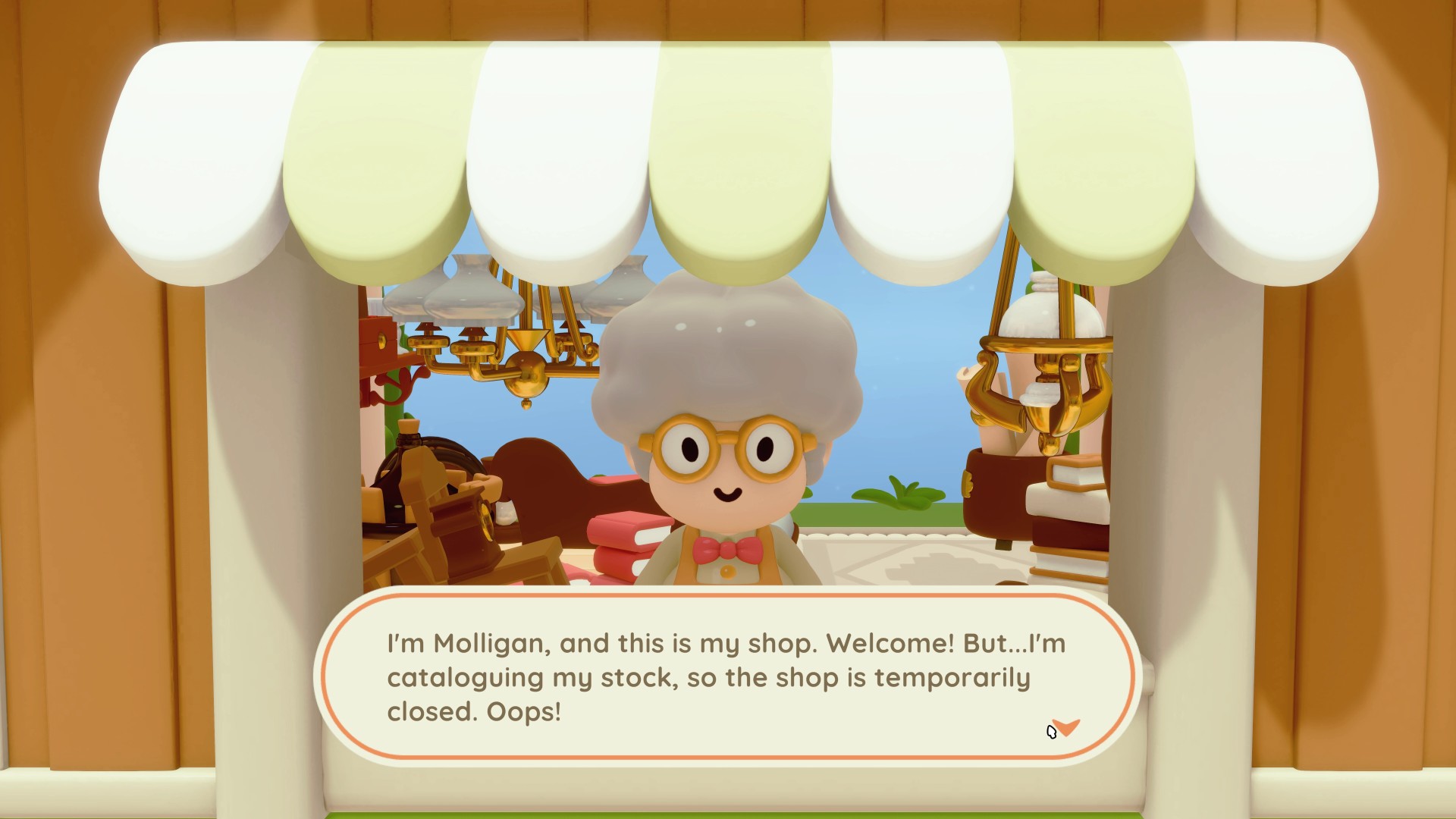
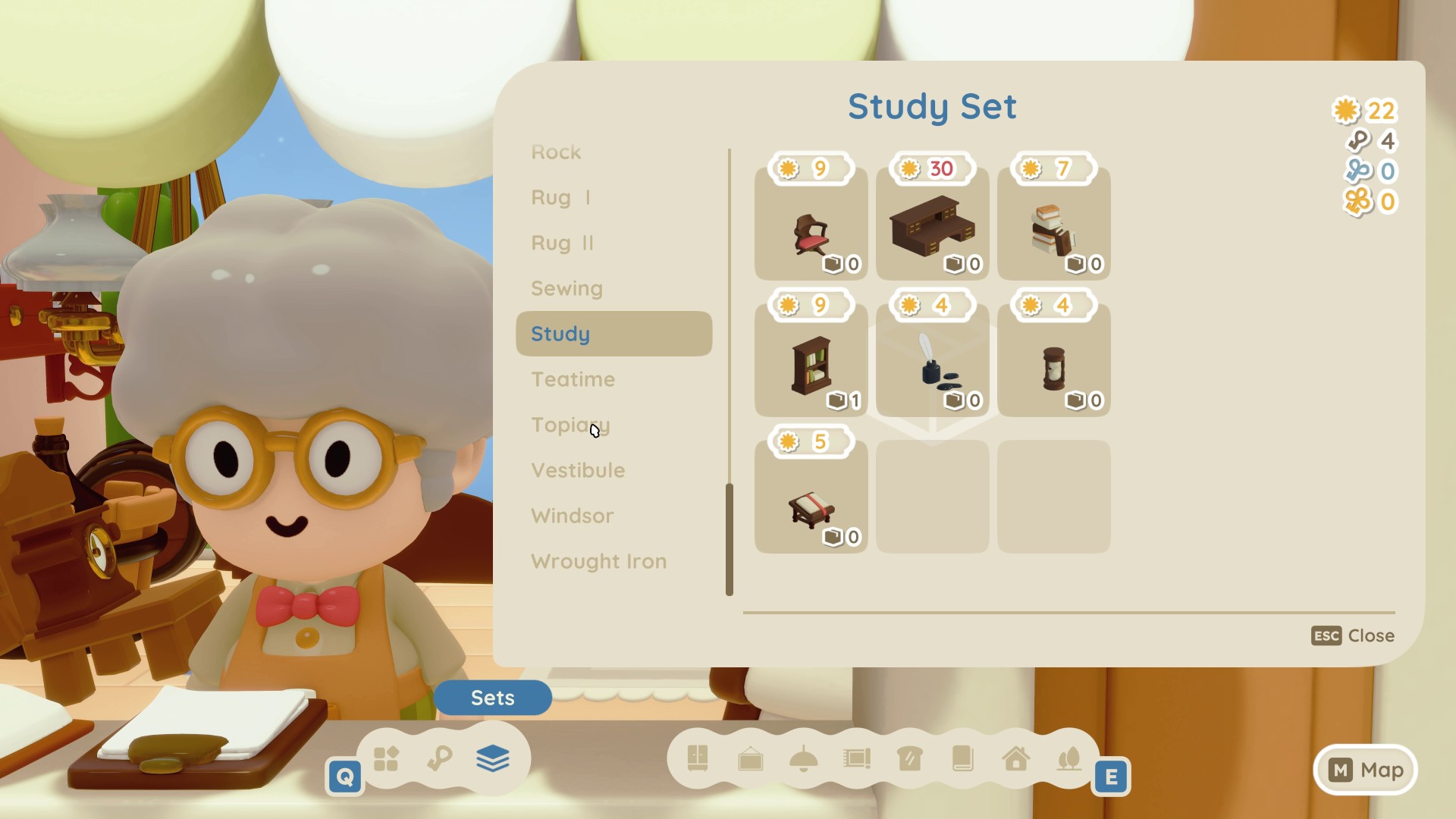
The game begins with a short introduction to Molligan, the shop owner who welcomes you to the archipelago. Molligan gives the player a small set of starting items, along with Stellars, which serve as the game’s reward currency and progression unlock. Stellars can be spent at Molligan’s Antiques to buy objects and decorations used to decorate your island. Stellars can also be found during normal play forming part of unlocking the next island and other rewards. When you collect a required amount on the island, a new island becomes available.
Cotlet, the first island in the game, is a tiny patch of land that barely fits a single house and can hold only one resident (this seems like a lonely place for the poor guy who decides to move here). Once you place the starting inventory items, such as a table, a couple of chairs, a bookshelf, and a bed, a visitor will appear. These visitors are called neighbours, and they become the residents of your islands. It is your job as the godly presence to make them happy by fulfilling their desires and working with their traits.
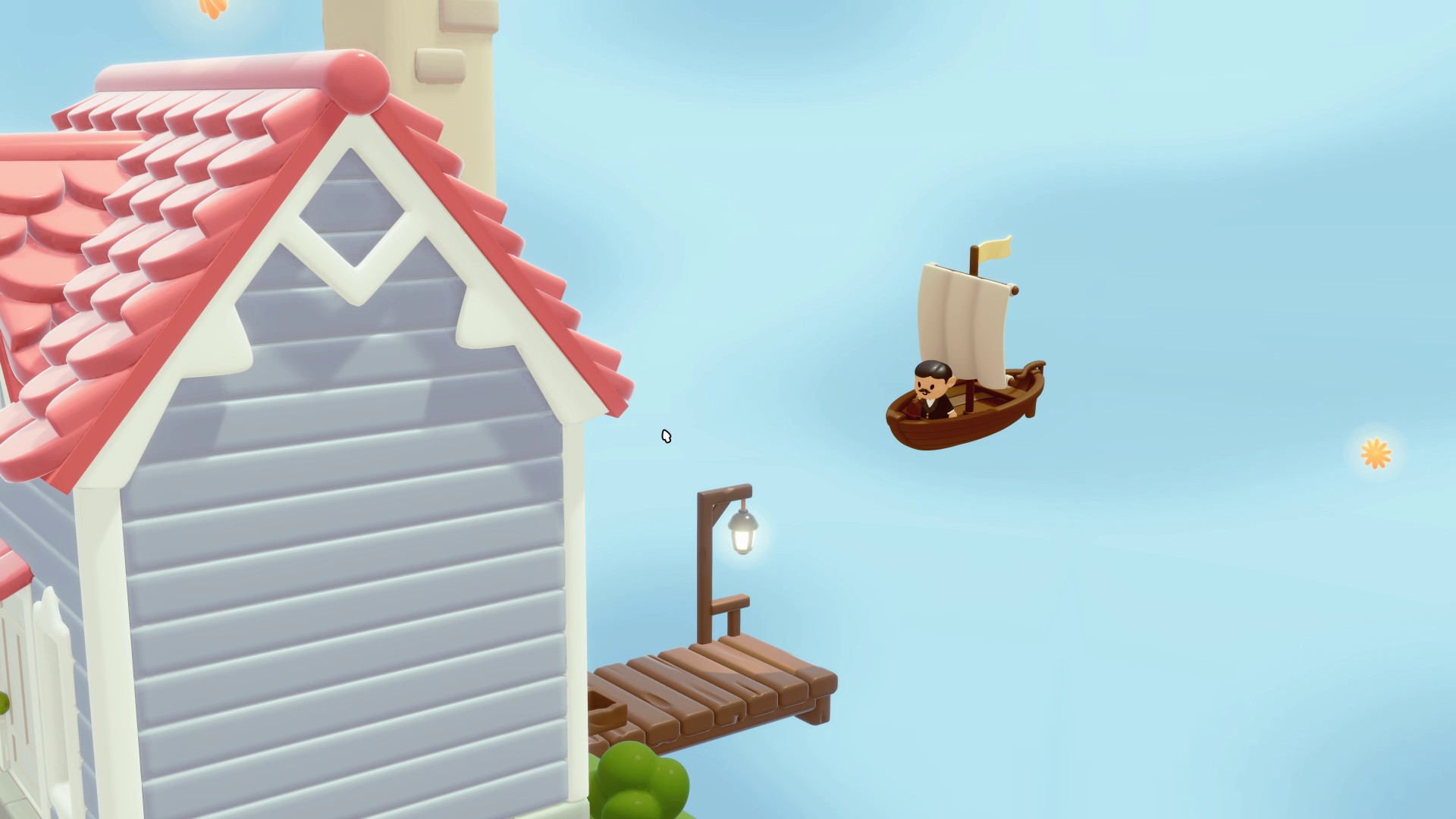
As you progress and earn more Stellars, new islands unlock on the map, each offering a fresh landscape to design into a tiny neighbourhood. These islands typically grow larger in scale, welcoming more neighbours to satisfy with your home designs. Stellars can also be used to increase your inventory size and purchase new objects by travelling to Molligan’s Antiques, where you can spend them on furniture and decorations to place inside houses and across the island to spice up the land.
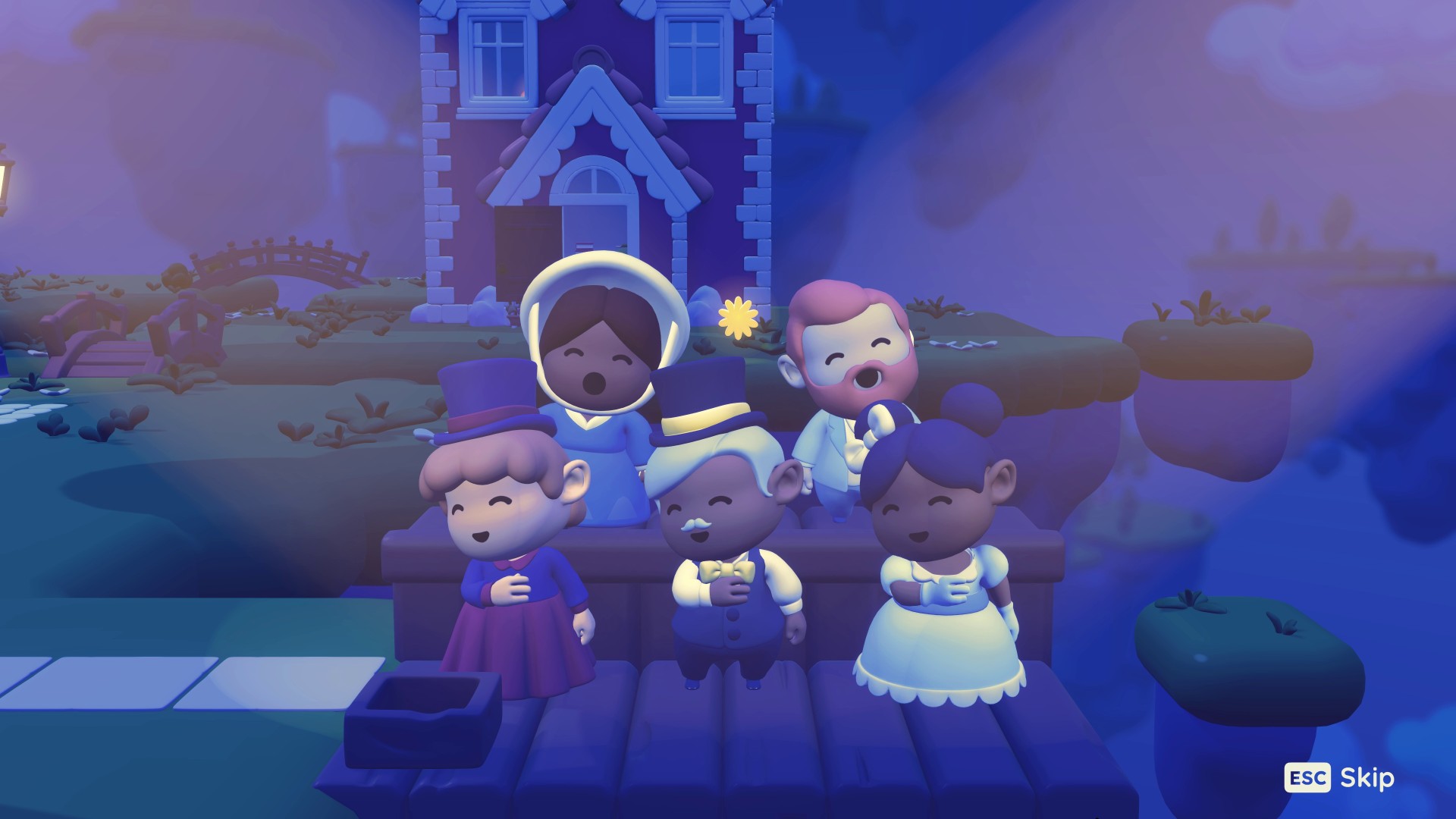
The game’s loop revolves around pleasing neighbours, earning Stellars, and purchasing new decorations from Molligan’s Antiques to keep them happy. Each neighbour’s preferences can be checked by clicking on them. This also shows how close their happiness meter is to its goal. Once reached, it never decreases, making it easy to complete neighbours one by one until the whole island is content. At that point, everyone joins in a singalong and offers gifts for fulfilling their needs. With no time limits or urgency, players can progress at their own pace, collecting Stellars from the sky or from happy neighbours to eventually unlock all the furniture the game has to offer.
Randomly, chests will fall from the sky. If you manage to tag one before it vanishes, you can claim it, and if you happen to have one of the three key types that matches, you can unlock it for special rewards. These usually include new items or new colour schemes and patterns to apply to houses in your village, giving them a more distinct look. Keys are earned as rewards for making villages happy or for purchase in the store. These are not cheap though, as small keys are 20 Stellars, medium 40 and large ones 100.
So, what do you need to do to make the neighbours happy? The game gives you a wide variety of decorative items, from croissants and pies for food-lovers, to plants and vegetables for green fingers, to artistic pieces like pianos and paintings. But it’s not just about objects as you can also change the weather, seasons, time of day, and backgrounds to match what each island’s residents seem to prefer.
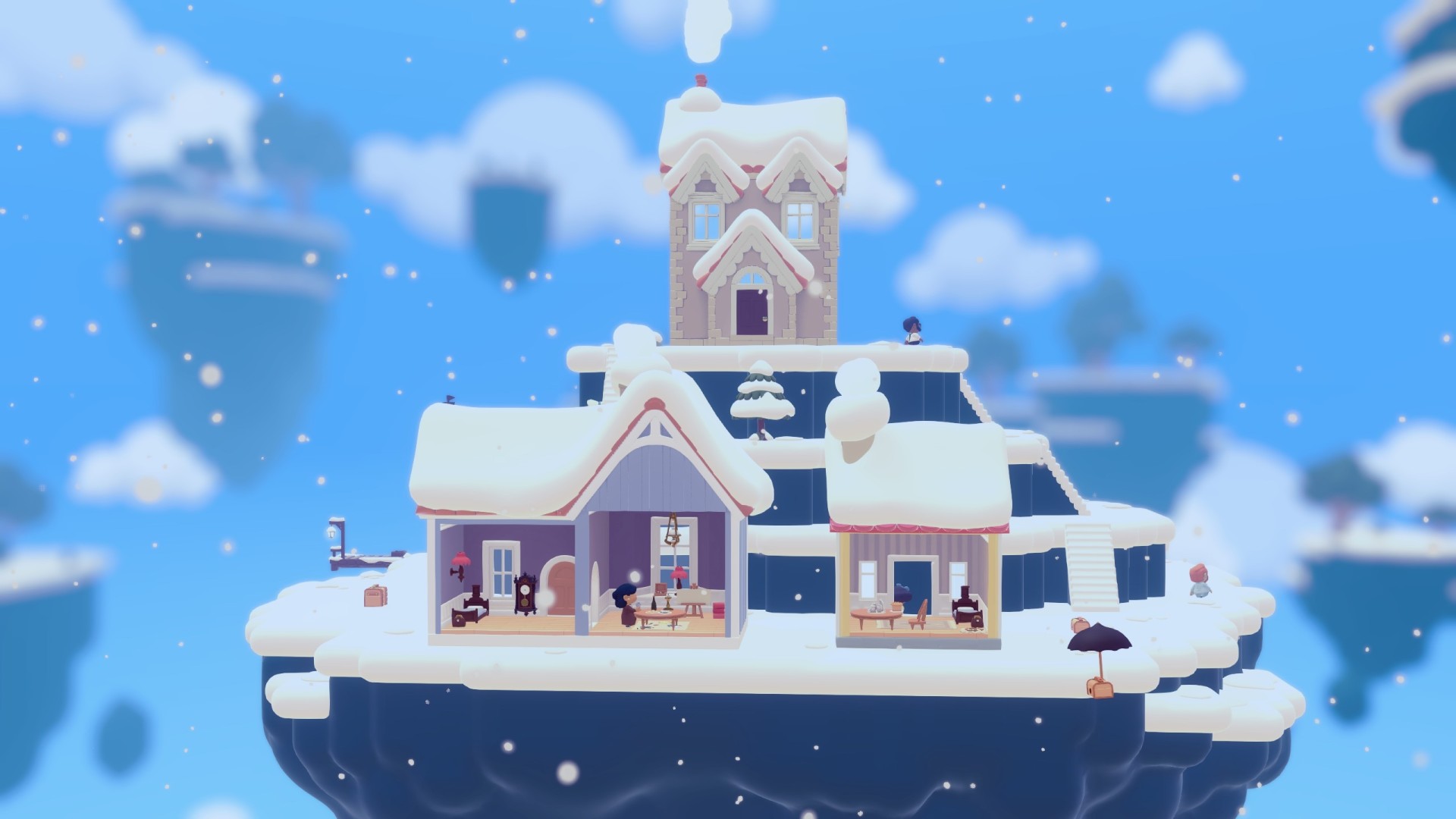
Once a resident’s happiness is maxed out, it becomes permanent. This means you can freely change the environment, season, or weather, or remove items without affecting their happiness. Anything you don’t want can be thrown off the island’s edge and returned to your inventory. And yes, you can even expel people. Just toss their luggage off the edge, which causes them to cry before running to the nearest side and leaping off. Thankfully, you don’t have to feel too bad about it because they open a little umbrella and gently float away. After they leave, a new neighbour can move in. It’s a little cruel, but sometimes you might want a different visitor living on your island to better fit your design vision or aim for one of the rarer villages, but I never knew how to attract them. It felt more like luck that if you happen to fill your island with what they like, they will magically arrive and want to live in your little settlement.
One particularly nice quality-of-life feature is that each island’s design is independent of the others. For example, if you own three different sofas, or a few of the same kind, and have already used them on a previous island’s design, it does not matter, as those items remain accessible for your next island. This is a neat design choice that saves a lot of hassle and time. This is especially welcome in the beginning, as the early pacing of Twinkleby can be slow. When Stellars are low and hardly any objects are unlocked, you might experience a bit of a downtime for the first hour or so until things begin to gain momentum and Stellars start being earned more steadily and you can start buying a few items in bulk.
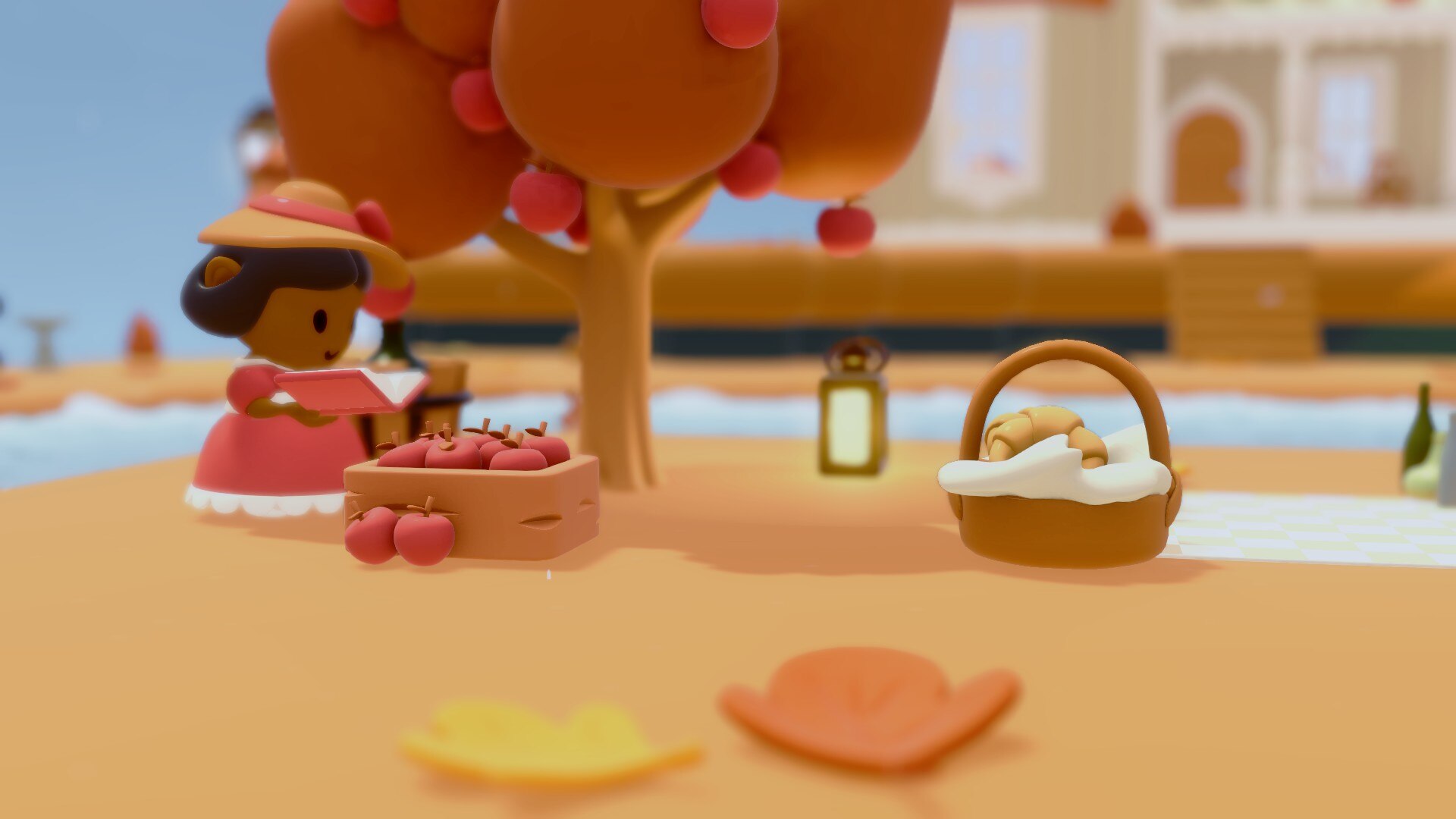
As your island becomes inhabited and filled with decorative items, the villagers begin to live out their daily routines. While not as detailed as The Sims, you can watch these little people wander the island, water plants, sleep in their beds, or read books, and many other things. These simple behaviours give them personality and make your designs feel alive. Seeing them enjoy the spaces you’ve created adds to the overall sense of happiness that you are working towards something nice.
But there is a downside to the inhabitants, and that is if you are trying to get them to interact with the action that makes them happy, sometimes they will just ignore it for a while. They instead prioritise their current trip around the island or any other actions the CPU decides for them to do. Since you cannot pick up the people and drop them somewhere, you sometimes just have to wait it out.
There is no speed modification either, which means you must sit and deal with it as they eventually decide to interact with the thing that makes them happy. This could have easily been fixed by allowing direct interactions with the villagers, enabling a command to make them interact with an object, or at least offering speed-up variations like 2x or 4x speed to push the time forward. This waiting is especially noticeable when you’ve finished your design and are just waiting for that final person to click over to max happiness to ‘finish‘ the island’s happy target.
Anyone should be able to run Twinkleby, as its system requirements are modest. The minimum graphics card is an NVIDIA GTX 960 or Radeon R9 285, both of which are around ten years old, so any modern machine should have no trouble. The game also runs smoothly on the Steam Deck, making it ideal for cosy gameplay on the go. Its save anywhere system lets you switch islands and pause your progress, which is perfect for short, bite-sized play sessions. The game’s charm comes from its simple but adorable low-poly graphics, which perfectly sell that kids building dioramas fantasy.
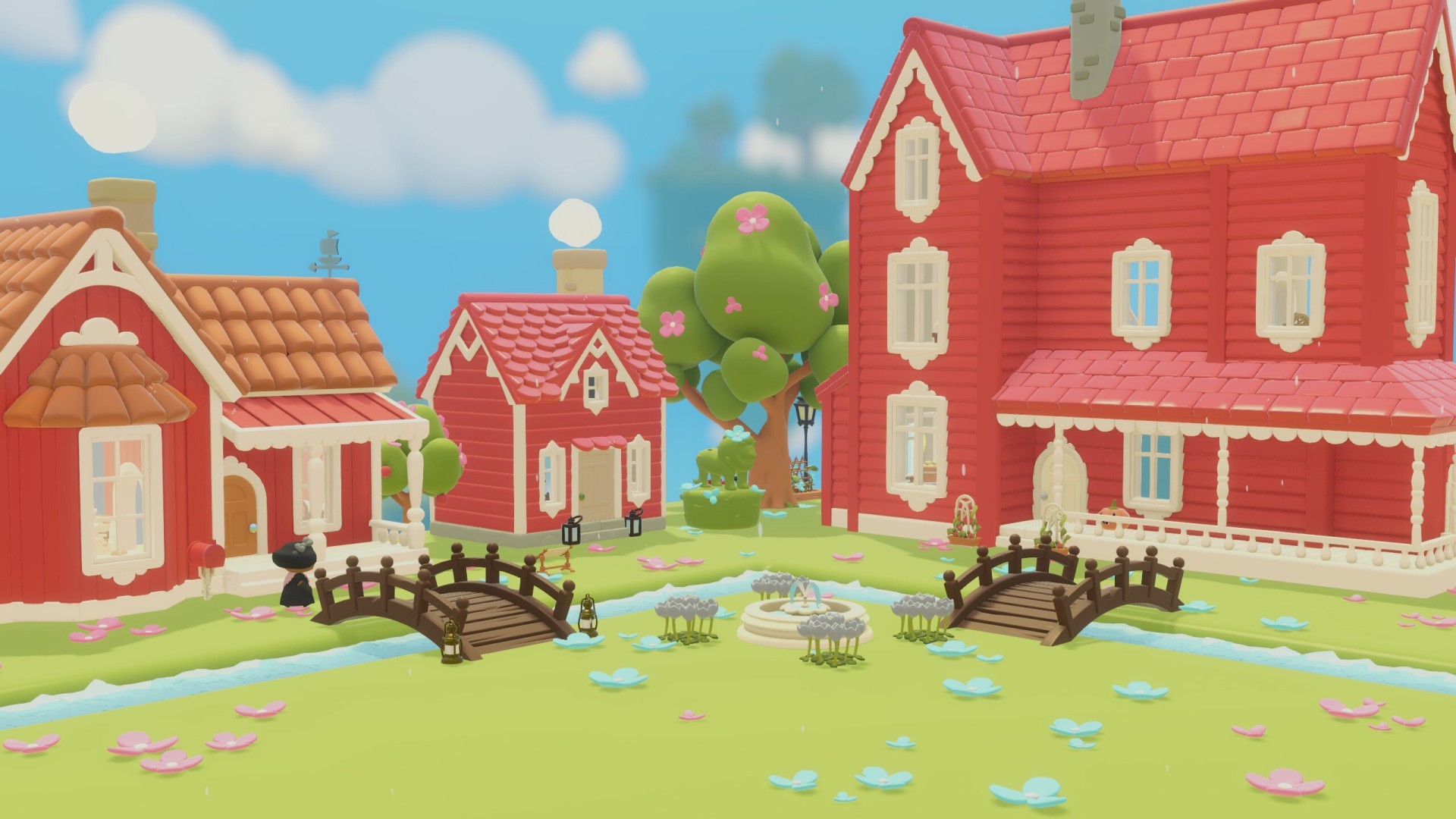
Twinkleby is a decent and relaxing cosy game that delivers charm through its island‑building mechanics. The low‑poly dioramas style gives it a warm personality, and the freedom and ease of decorating islands and adjusting the islands make it inviting for casuals. However, the game is held back by slow unlock pacing in the early hour and frustratingly limited control over villagers, who sometimes wander on their own schedules and ignore the important items they desire, even when placed in front of them. Fans of cosy and casual games will find enjoyment in its gentle pace, making it great to play while listening to a podcast or watching some YouTube videos, but it doesn’t offer enough to be anything more than a cosy pastime, which feels very much like the experience it was created to offer.