Test Drive Unlimited Solar Crown PC Review
Since the launch of Test Drive Unlimited Solar Crown (hereafter referred to as Solar Crown) on September 5th with the Gold Edition, my experience has been quite chaotic. The common challenges associated with launching games with “always online” requirements are in full swing here. Elements like “launch day server issues” and “inability to play” are familiar to many players who have previously tried to play online-only titles. Typically, these problems are resolved within a day or two; however, Solar Crown continues to face server difficulties nearly three weeks post-launch. Although the situation has improved since the initial release, small issues remain, detracting from the overall experience that Solar Crown aims to deliver as it seeks to “reinvent the open-world massively multiplayer racing game genre.”
The Unlimited element of Test Drive has remained inactive for over 13 years, with its last instalment released in 2011 for PS3, Xbox 360, and PC. A new publisher and developer have taken the reins, aiming to revitalize the series with a sequel that Publisher Nacon hopes will attract both long-time fans and newcomers. KT Racing, the development team, brings a decade of experience in racing games, having worked on titles such as multiple WRC games, V-Rally 4, and the Isle of Man TT bike games. However, their lack of narrative experience is evident in Solar Crown, which presents the barest of storylines.
In Solar Crown, players are introduced to a new motorsport tournament set in Hong Kong, where the self-created, although using a very basic character creator protagonist, is invited by the host, Vivian Huges, who recognizes their potential. After being dropped off at a hotel with an AI assistant, ALYSS, players are tasked with climbing the ranks. The narrative briefly introduces two clans for the player to pick one to align with, but the focus quickly shifts to driving and accumulating experience for both the player and their chosen clan. Ultimately, the game offers a minimalistic setup that largely neglects its narrative or any real characters, as interactions with NPCs are reduced to club member challenges. This does mean the game focuses on keeping the player doing what they should be doing in a game like this, racing.
Well, the primary emphasis would have been on the gameplay experience; however, the numerous online issues have significantly overshadowed this aspect. It is essential to address these problems, as Solar Crown is exclusively an online game, leaving no option for offline play, which exacerbates the situation. While other open-world racing games feature online implementation, many of these allow for offline gameplay, and some have even announced offline modes in response to the discontinuation of Ubisoft’s The Crew, a racing game that was active for 10 years before being shut down and lost forever. Interestingly, the developers of Solar Crown have indicated that they are considering the possibility of an offline mode in the future. Nevertheless, their current priority lies in resolving the existing server issues and compensating players who opted for the early access version, which allowed them to engage with the game a week before the standard release. Unfortunately, many of these early players spent a significant portion of their time grappling with persistent server problems that extended beyond the initial week of early access and continued into the full launch of the game.
I do not think I have experienced a launch for an online title as bad as this in my whole 35 years of playing video games. The experience was so frustrating that I found myself stepping away from the game on several occasions, only to return the next day to face similar or new issues each time. Among the myriad of problems, I faced significant login difficulties that rendered the game unplayable, frequent disconnections that would abruptly return me to the main menu, and instances during races where I was unexpectedly dropped back to the world map (one just before crossing the finish line! Argh!). Additionally, I dealt with failed save attempts, prolonged loading times for saves, and graphical freezes that appeared to be linked to server calls, particularly after race results were displayed, only to return to normal once the results concluded. Furthermore, I noticed that shops and landmarks I had previously discovered would inexplicably revert to an undiscovered state upon the next save load, a problem that persists and has only just been fixed on the 30th September in the recent patch that was released. After three weeks after the launch, the situation has improved, with approximately 90% of the issues resolved. However, even as recently as the day before this review, I encountered the graphical race results problem and the occasional disconnection that would send me back to the open world. While these occurrences are now less frequent, happening roughly once every two to three hours, they continue to hurt the overall polish and presentation of the game.
Solar Crown’s location of Hong Kong Island is a brilliant locale for a racing game. The developers have promoted a 1:1 scale representation of the island, encompassing an impressive 370 miles of roadway. It is important to note that this scale does not imply an exact replication; rather, certain features, particularly landmarks and buildings, may not be accurate. However, the overall configuration of the roads and the map maintains the same dimensions. To enhance gameplay, some adjustments have been made, such as widening narrow roads and highways to accommodate faster vehicles, as well as transforming hiking trails into drivable paths, thereby expanding the available driving area.
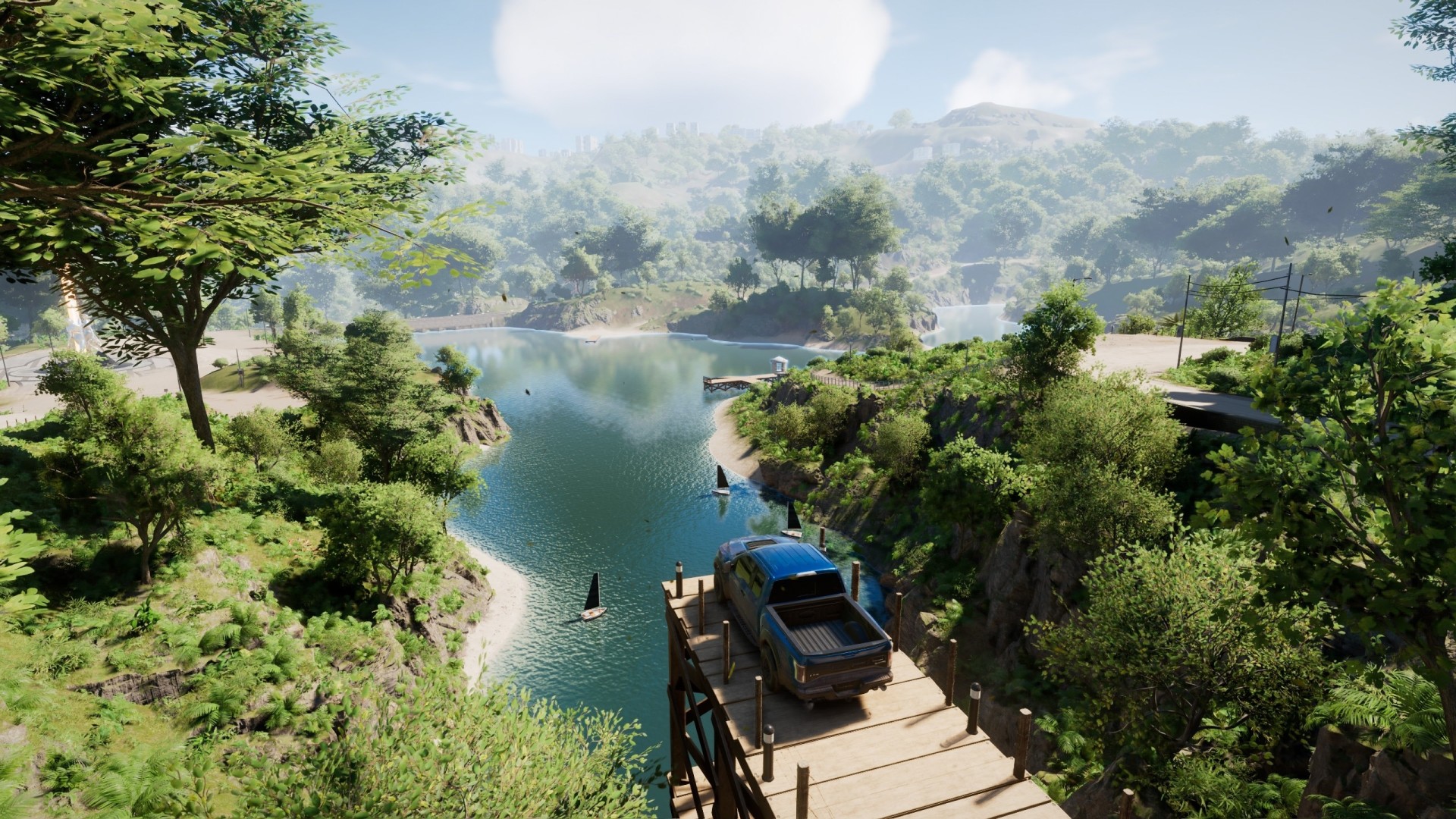
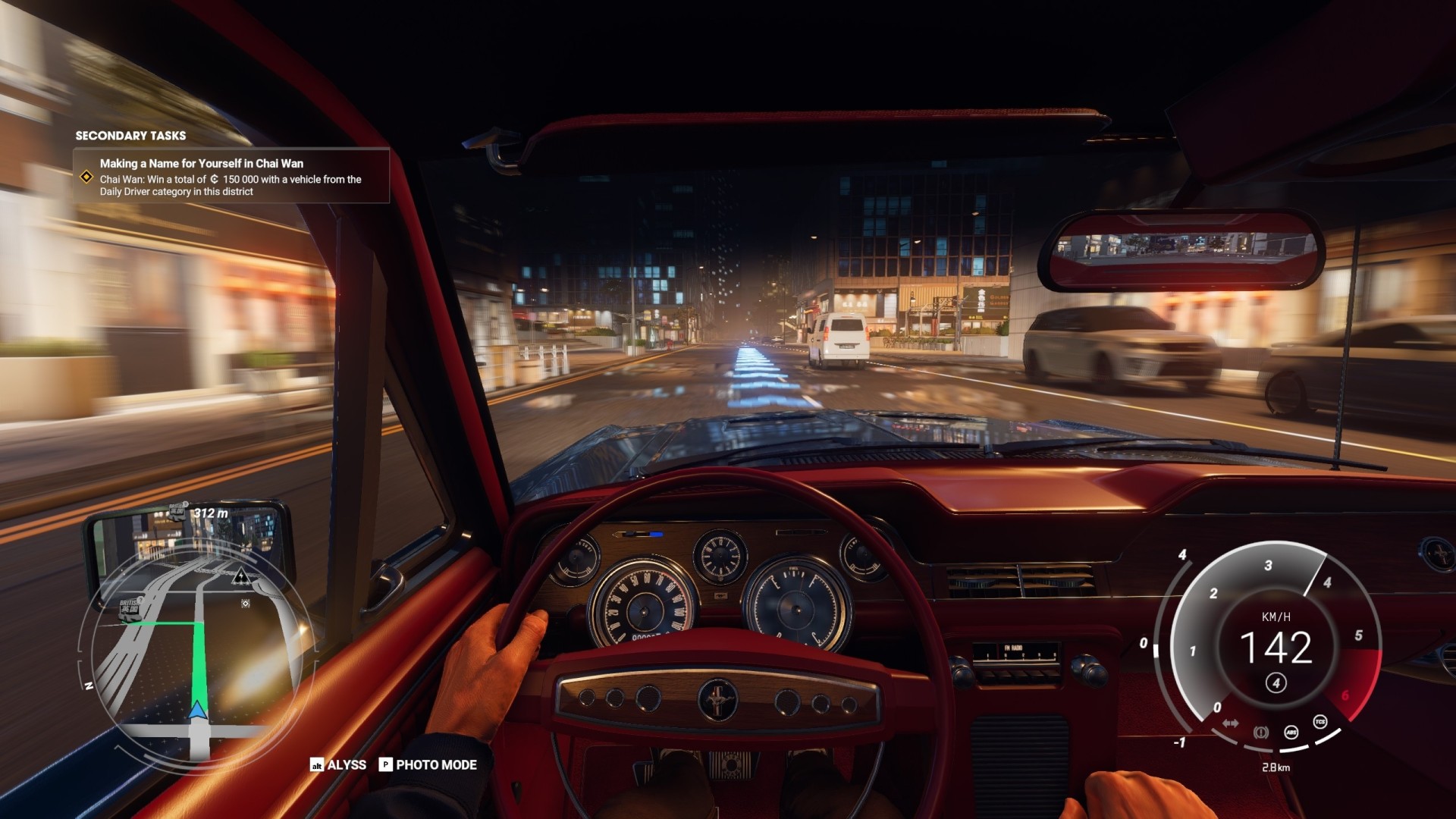
The island boasts a rich variety of environments, ranging from bustling urban landscapes filled with vibrant neon-lit structures and congested streets to quiet mountainous regions that offer breathtaking views. Interestingly, non-playable characters (NPCs) are sparse, primarily appearing in designated areas to prevent hits (so they cannot be run over is my guess), particularly within shops like the various dealerships scattered throughout the island. As players venture from the city, they encounter dense forests and rugged dirt paths, leading to picturesque beaches and coastlines that provide stunning driving experiences. The developers have designed intricate and challenging road layouts that cater to both speed enthusiasts and those who prefer technical driving. A notable example is the sharp 320-degree turn that descends from the hillside back into the city, which can lead to chaotic encounters, such as the amusing pileup I experienced while manoeuvring my Lancia against a group of Raptor trucks. With a dynamic 24-hour cycle that introduces varying weather conditions, including rain, sunshine, and fog, Hong Kong Island has enough variety to support entertaining racing.
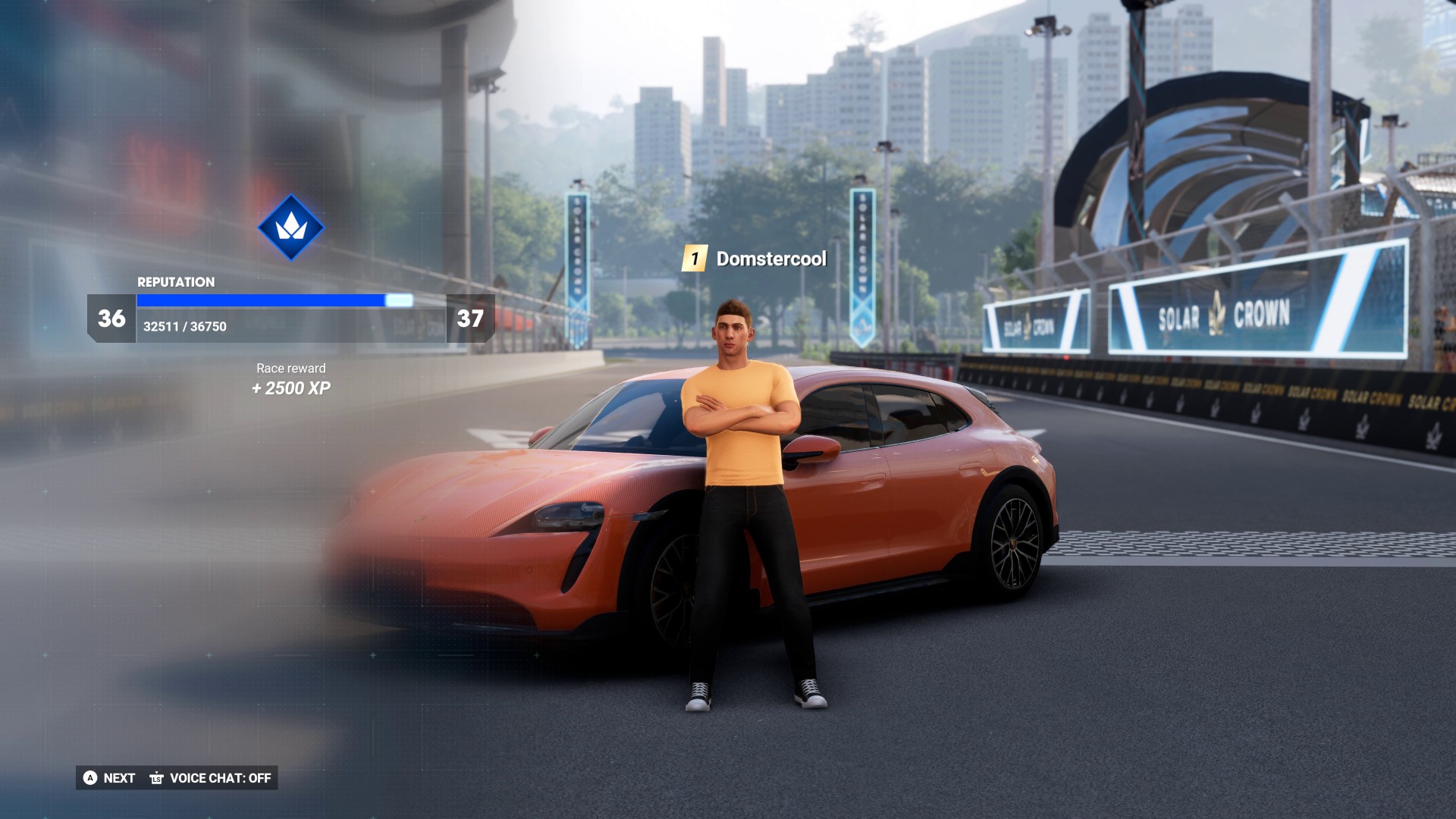
Solar Crown does not reinvent the established formula of open-world online racing games. Players can engage in a multitude of races, each contributing to their reputation and advancing the game’s leveling system, while also earning in-game currency and potentially enhancing their clan’s influence, particularly in clan-specific races. The experience points accrued serve as a mechanism to regulate progression, with each level benchmark unlocking additional races, vehicles, car components, and customization options, as well as new apparel and styles for the player’s avatar. Similarly, clan influence operates on a tiered system, where reaching certain levels allows players to face off against rival clans. This progression model is a familiar structure that has been widely adopted in various other racing games.
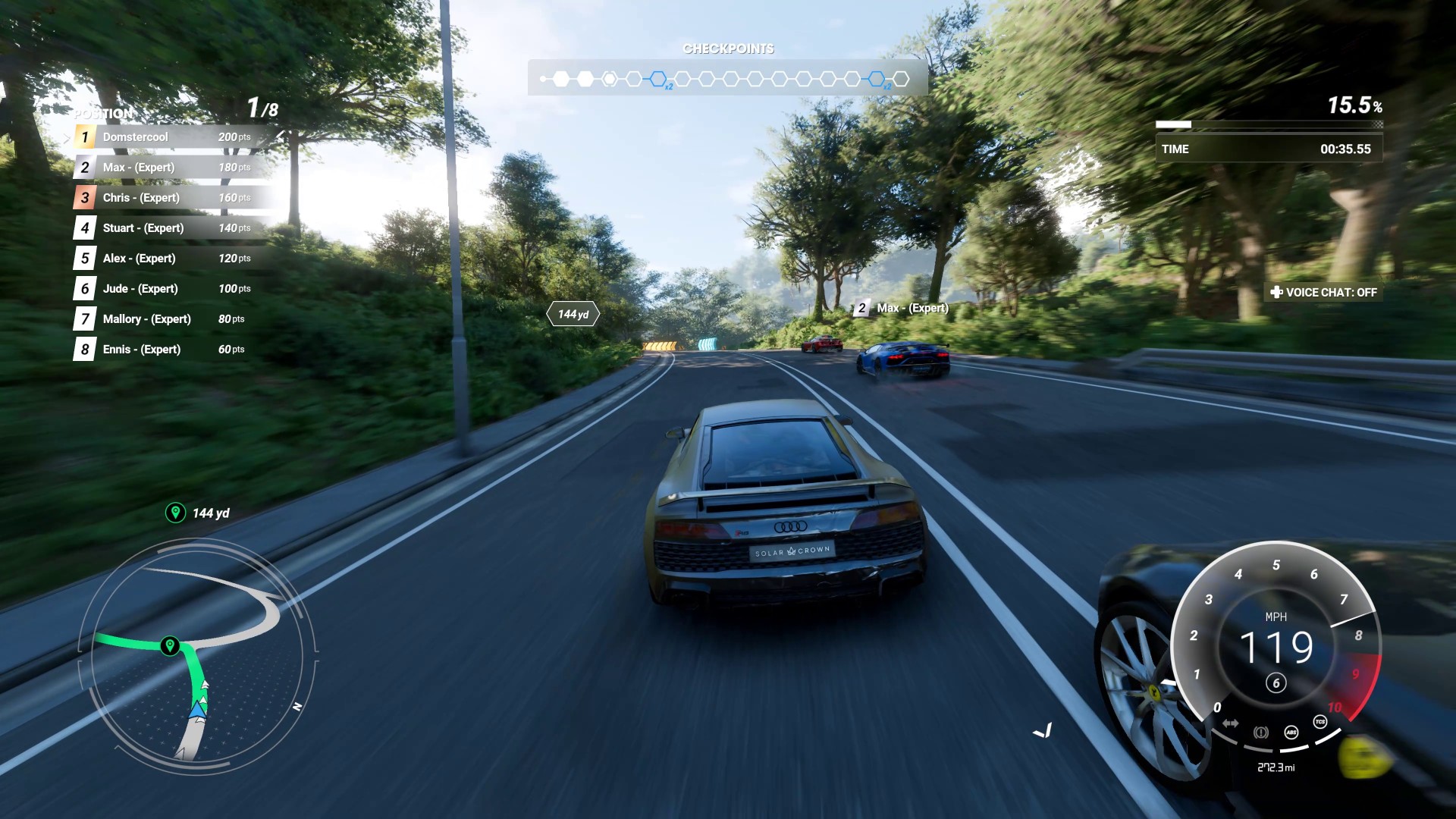
Players approach designated points on the map to register for participation in the race. Upon arrival, a screen appears with a two-minute countdown, allowing players to select and configure their vehicles while the game searches for other participants in the same event. This preparation phase can be bypassed at any time if the player feels ready, prompting the game to initiate a ten-second countdown to commence the race. For about 80% of my racing, I was challenging AI. Despite the game’s online orientation, it seems that many players are engaged in higher-tier events with more advanced vehicles, resulting in only one or two human competitors in my race, with the remainder filled by AI to complete a full roster of eight participants.
It is important to note that the AI in this game exhibits unfairly advantageous behaviour. Throughout my gameplay, I encountered AI opponents set to the highest difficulty level, which is determined by the player’s performance against them, leading to a predominance of Expert AI in races. These AI often demonstrate remarkable speed and acceleration, consistently outpacing my vehicle, or they engage in erratic manoeuvres that can lead to crashes. Balancing AI in racing games is a challenge, and in this instance, the disparity in performance can create a sense of imbalance reminiscent of SNK final boss syndrome in how “good” some of these AI racers are. On a positive note, every race offers rewards, ensuring that even finishing last yields cash and experience points, while achieving a higher position results in greater rewards and the opportunity to showcase one’s success on the world map by symbolising events beaten in first place with a gold icon.
Hong Kong Island is populated with a variety of race events that will be instantly recognizable to anyone who has engaged with open-world racing games over the past decade. These events encompass various formats, including Circuit racing, Sprint racing, Time Attack, and Domination. The latter is characterized by a checkpoint-based system, where participants accumulate points according to their standings as they pass through checkpoints, ultimately the racer with the highest score is the victor. Each race is restricted to specific categories of vehicles, and the game features five distinct classifications: daily drivers, grand tourers, off-road vehicles, supercars, and hypercars. Typically, most racing events allow participation from one or two of these categories.
At the game’s launch approximately 100 vehicles are available, which appears relatively modest and disappointing compared to its competitors; Forza Horizon 5 featured over 500 cars, while The Crew Motorfest had more than 600. I anticipated that the car roster will expand over time as the game introduces new content. The current selection includes a diverse array of vehicles, such as the Abarth 500, Audi R8, BMW M4 Competition, Bugatti Chiron Sport, Chevrolet Corvette C8, Ferrari F40, Koenigsegg Agera RS, Nissan GT-R (R35), and the classic Volkswagen Beetle (1965). Although certain manufacturers and models are noticeably absent. The existing lineup provides car fanatics with an acceptable driving list, but I feel it misses some of the stranger cars that would fit well for the theme of Solar Crown. However, a notable concern is the balance among the vehicles. As players enhance their cars with parts from the store it becomes clear that some models exhibit superior performance ratings, leading to a prevalence of top-tier vehicles. The Porsche Taycan Turbo S Cross Turismo, which becomes available at level 20, is particularly problematic due to its exceptional speed. I assume the developers will balance these cars out in the future, but how fast they are on delivering that is unknown as they work on servers and other game issues.
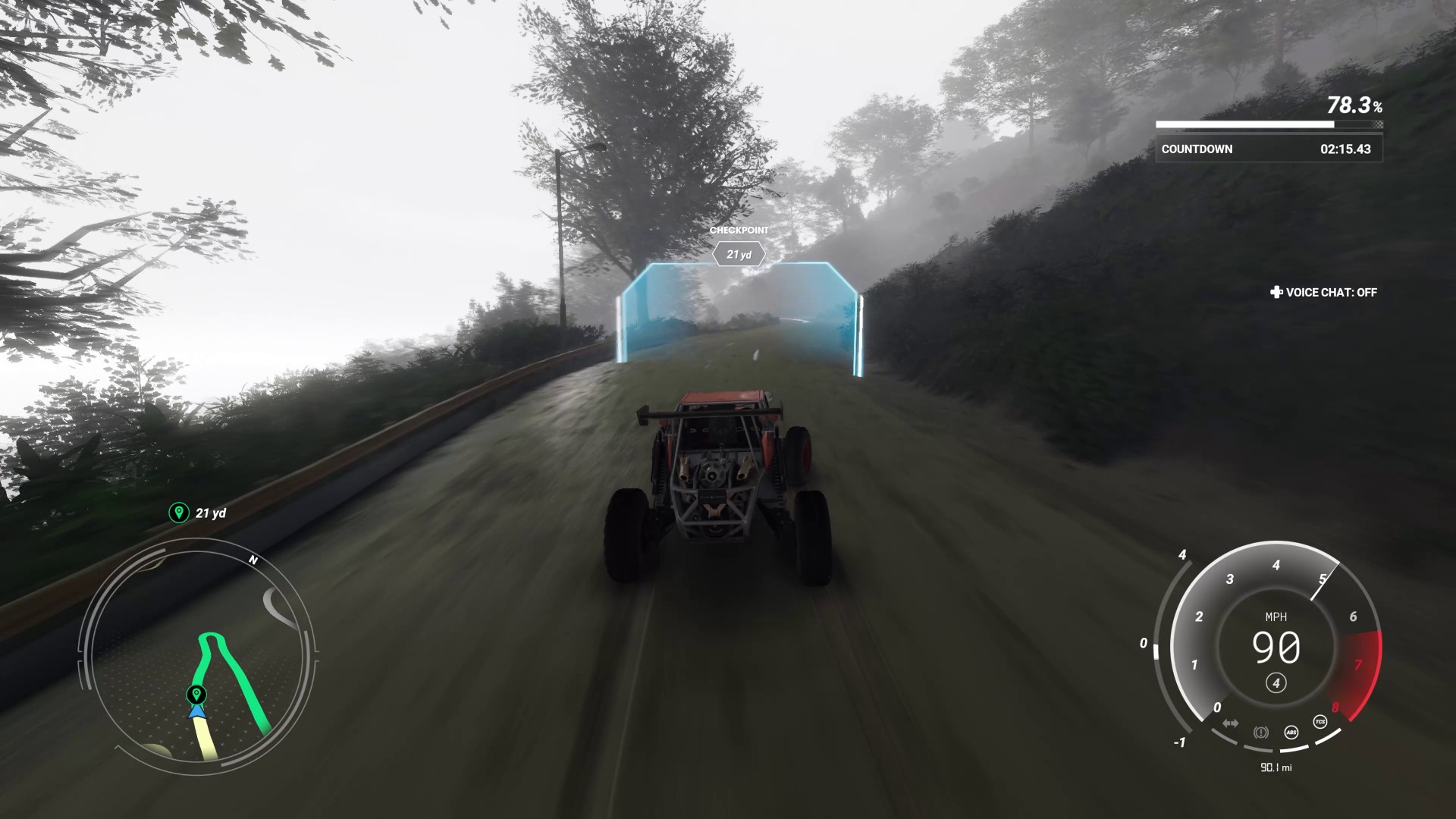
Outside of racing events, the map of Hong Kong Island has limited exploration activities. Discovering petrol stations, workshops and dealerships enables fast travel points. Exploring roads will build towards 100% discovery of driven roads. Speed traps are scattered around, but these are only traps and not average-speed challenges that other games have implemented. You’ll also find hidden collectables around the map that give you bonus experience, Clan experience, cash, or parts of a car to create 2 hidden vehicles that need 14 parts to be unlocked.
The competitive aspect of the game allows players to challenge others to races, whether encountered while driving or when they are seen walking within buildings. Furthermore, there are secondary and daily tasks available that can yield additional rewards. Although Solar Crown provides some supplementary content, it does not seem to prioritize this aspect as heavily as its competitors, who have made a concerted effort to enrich their maps with a plethora of activities. The introduction of new content is due through a season system, yet Season 1 has faced delays, initially scheduled for launch on the 12th and then postponed from late September to the new date of October 2nd, coinciding with a patch aimed at resolving existing issues within the game. I hope it helps with the additional content as once the end game hits level 60, there is nothing else to do bar challenging other people or taking part in the occasional special event races that appear as blue icons on the map to challenge for the best times, with more money rewarded depending on what tier your best time falls into.
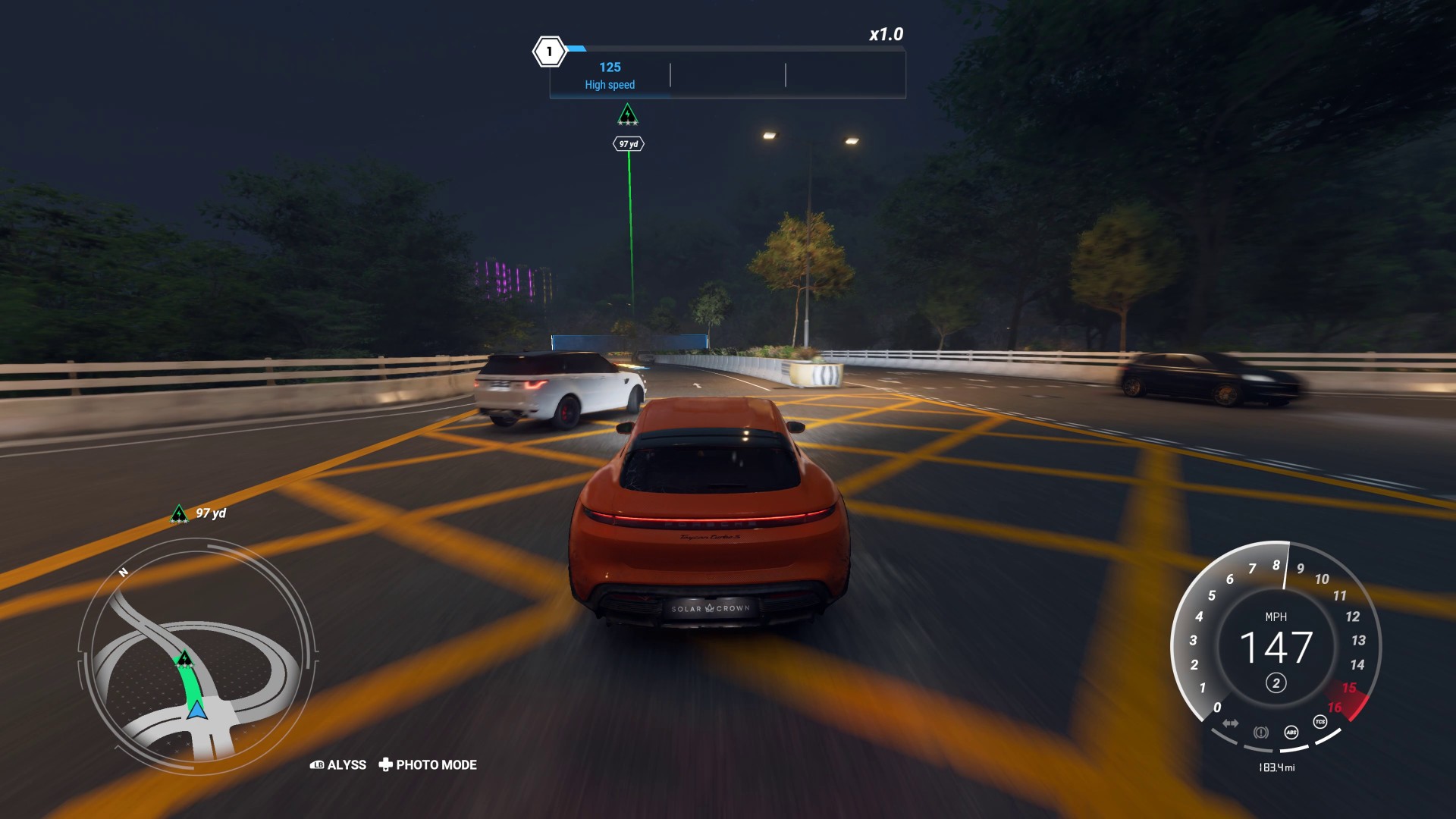
Handling mechanics for a driving game is important and Solar Crown opts for an arcade-style experience rather than a simulation. The handling is generally satisfactory; however, it tends to exhibit more understeer than I would imagine, particularly during sharp turns that impose significantly slow speeds. In contrast, when navigating faster corners, the gameplay feels more responsive, allowing for tapping of the acceleration to enhance the car’s turning arc. It is almost as if the developers were aiming to strike a balance between realism and arcade dynamics, ultimately leaning towards an arcade feel while incorporating a few realistic elements to make cornering more engaging than merely drifting. Driving on dirt surfaces without appropriate dirt tyres results in a noticeable loss of grip. However, equipping dirt tyres restores traction, in theory, any car becomes good at off-road by sticking on some dirt tyres, but some are perfect and outshine the competition, such as the buggy.
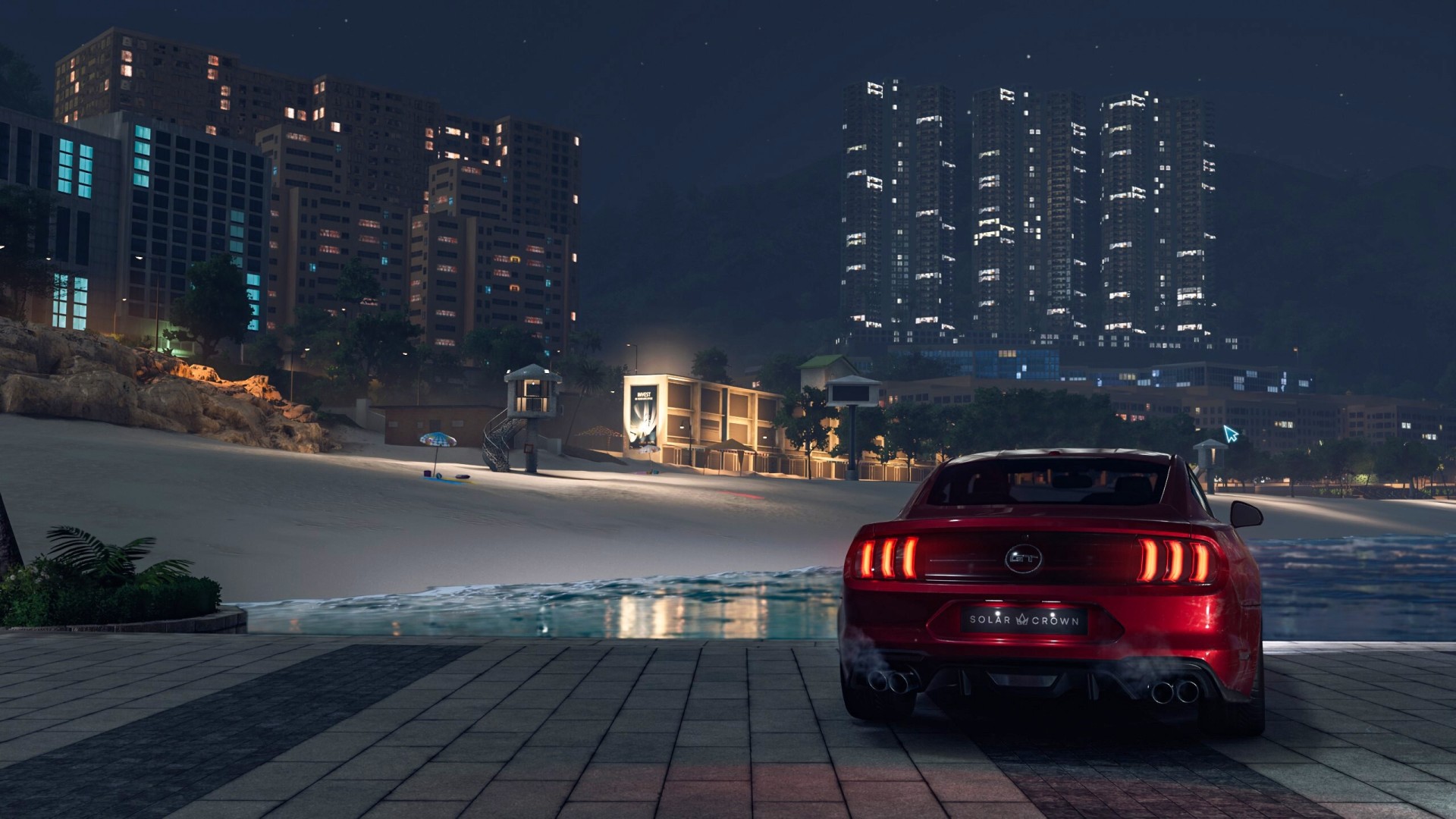
The final point I want to bring up is that the Test Drive Unlimited series comes with certain expectations. Fans loved the earlier games because they provided a unique experience that set them apart from the festival vibe of Forza Horizon. Test Drive Unlimited was all about embracing a luxurious lifestyle, where players could indulge in wealth through cars, real estate, casinos, and fashion, all while having the freedom to explore their homes and admire their car collections. The game was a visual treat back then, although, in this sequel, while the game can look good at times, some elements feel flat, but then when you see the game during the night, driving through a neon city, it can look striking. Unfortunately, the performance is poor on PC, having to run quality DLSS on a 4090 to have it stay consistently over 60fps at maximum settings at 4K resolution. This seems like an optimization issue with the game.

Another unfortunate issue is the vibe of Test Drive Unlimited as mentioned at the start of the previous paragraph has been largely overlooked in the latest instalment. Solar Crown feels more like just another entry in the crowded open-world racing genre. It seems to have lost that distinct lifestyle flair that made it special, blending in with the competition rather than standing out. As a result, it doesn’t measure up to its rivals, which are delivering brilliant racing experiences filled with variety and vibrant communities, while Solar Crown feels flat.
I cannot help but feel that Test Drive Unlimited Solar Crown came out too early. Even after numerous delays, it still needed more time to cook in the oven. The biggest issue was the disastrous launch due to its imposed mandatory online connectivity that made the game unplayable at times. It is now mostly sorted, three weeks after launch, but elements still exist that frustrate and could easily be solved by allowing some sort of offline mode. Then there is the issue of the awful AI, which is what players will race against most of the time during 80% of the game, is poorly programmed and often is either driving like an alien or some underage kid having a joyride for the first time. The ability to not be able to alter their difficulty, even if it could have been done in the settings that alters the rewards for racers adjusted on what assists are used, seems like an oversight. While the driving mechanics are solid and the open world is visually good, these issues detract from what could have been a truly great social racing game. It seems that the developers forgot the vibe of Test Drive Unlimited. Instead, the proposition they bring is a game that falls short of its rivals. Maybe a few months of support, patches and content will enhance what is currently a fairly average racing experience.