Schrödinger’s Call PC Review
Video games come in many shapes, sizes, and styles of interaction. For every What Remains of Edith Finch, there is a Mirror’s Edge; for every Ghostrunner, there is Cyberpunk 2077. The medium is wonderfully diverse, spanning countless genres and subgenres that cater to any video game player.
This brings me to Schrödinger’s Call, a game that sits firmly on the linear visual novel end of that spectrum. I’ve played my fair share of visual novels, including the Ace Attorney games, the Danganronpa trilogy, and the Zero Escape trilogy, all of which, despite being text-heavy, still break up the experience with courtroom battles, puzzle solving, or escape-room shenanigans. Schrödinger’s Call, by comparison, is a far more traditional visual novel, even more so than something compared with Steins;Gate. This is an approach that will appeal to some visual novel fans but may be too restrictive for others.
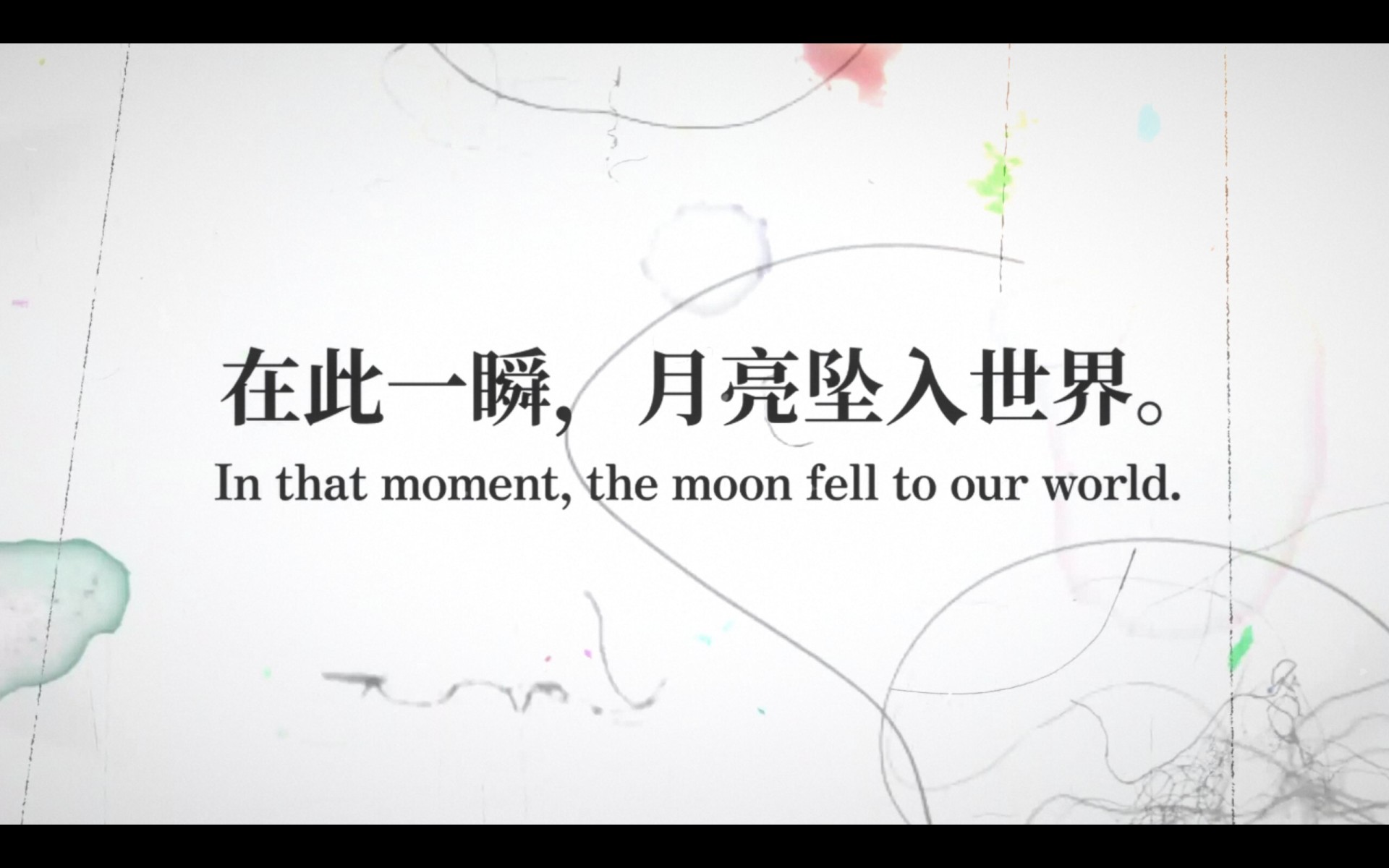
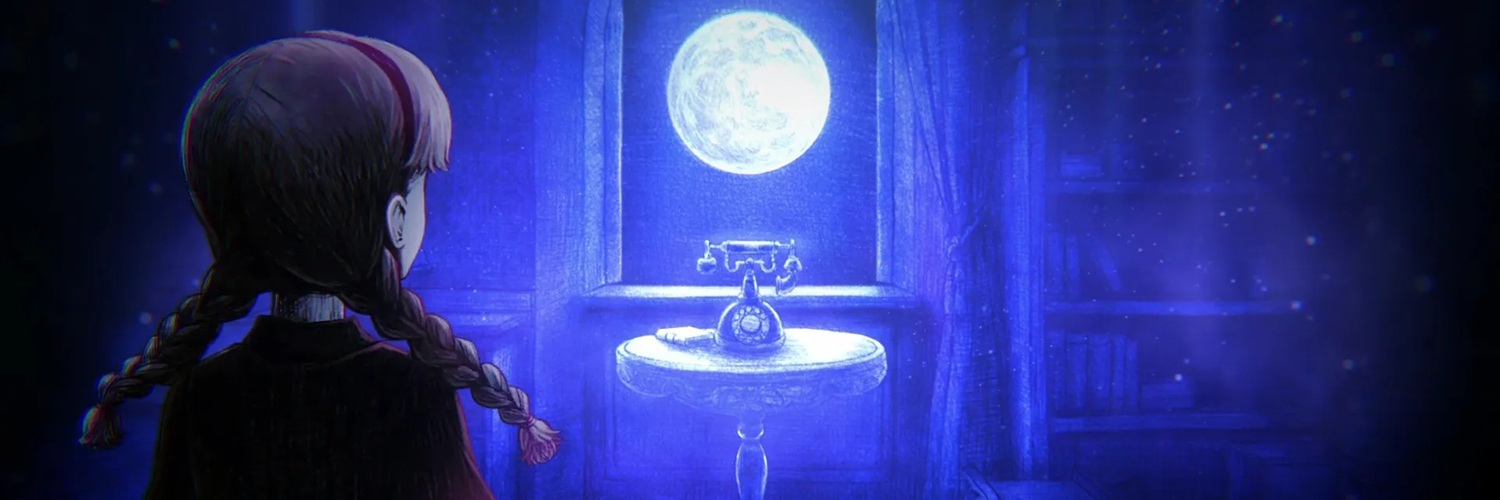
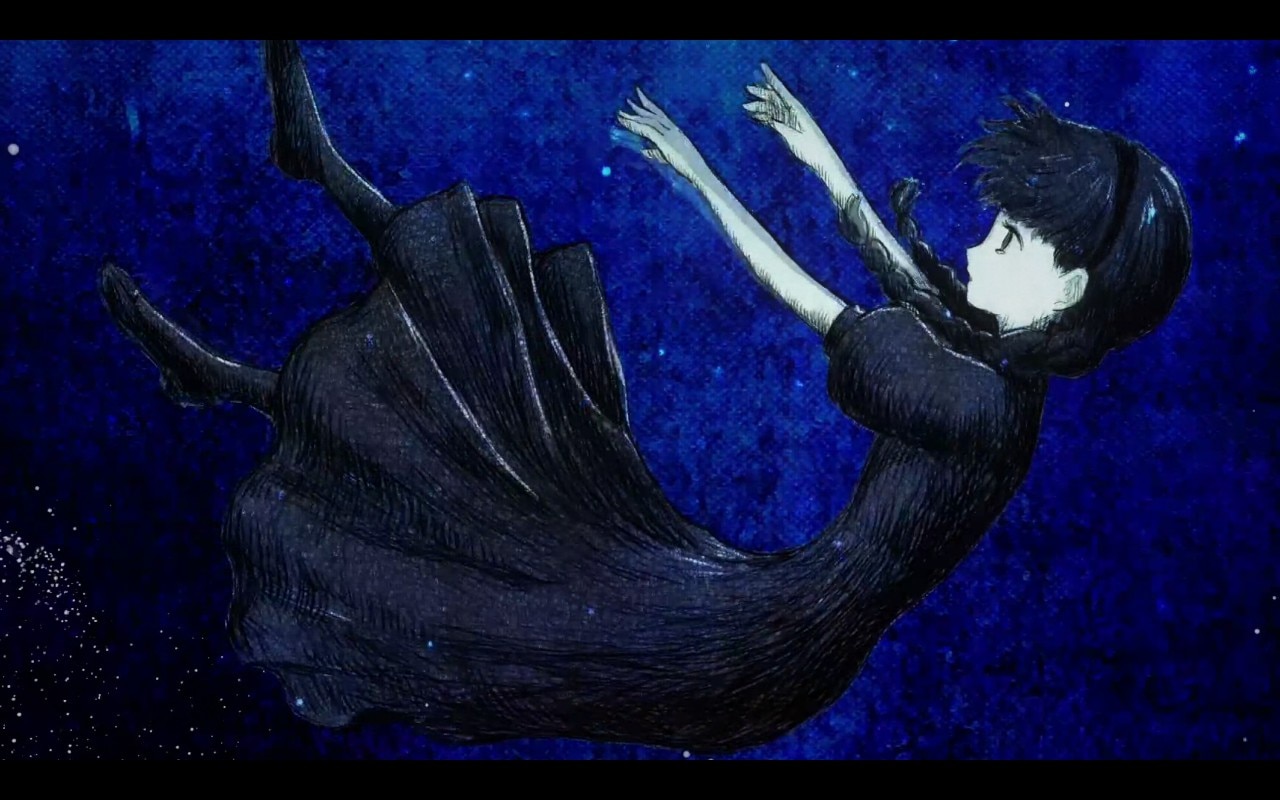
Schrödinger’s Call is about finishing the unfinished. Players take on the role of Mary, a young girl who awakens beside a lone telephone and a black cat. Mary has not the foggiest on how she got there. Her memory has gone; the whole total amnesia plotline is at work here. Mary is introduced by the black cat, Hamlet, to her new role as the World’s Last Confidant. It soon becomes clear what she must do. The Moon is moments away from colliding with the Earth, and Mary exists within a mysterious space where time has frozen just 21 nanoseconds before impact. During those final moments, she must help those caught between life and death complete the conversations they never had the chance to finish.
As you have probably gathered from my introduction, Schrödinger’s Call is primarily about its story and the way it presents that story through its distinct artwork rather than through traditional gameplay. There are interactions throughout the experience, such as choosing dialogue responses, selecting keywords from Mary’s notebook, and placing phone calls, but none of these carry any real consequences. If the player selects an incorrect dialogue option, the game simply plays out that scene before returning to the selection, allowing the correct choice to be made instead. This keeps the narrative flowing naturally without the frustration of failure, but it also means the player has very little influence over how events unfold.
This means that rather than shaping the story, the player is more of a passenger, experiencing the narrative exactly as the developers intended from beginning to end. Whether this is a positive or a negative ultimately comes down to personal preference. If you enjoy visual novels that prioritise storytelling over player involvement, Schrödinger’s Call will likely suit you. Those looking for meaningful choices or branching narratives, however, may find the experience a little too passive.
If you can get into the story and connect with it, there are some wonderful moments that touch on a variety of emotions. Since this is such a story-heavy game, I’ll keep spoilers to a minimum. The game is divided into four chapters and an epilogue, with each chapter focusing on a different character who was killed during a phone conversation.
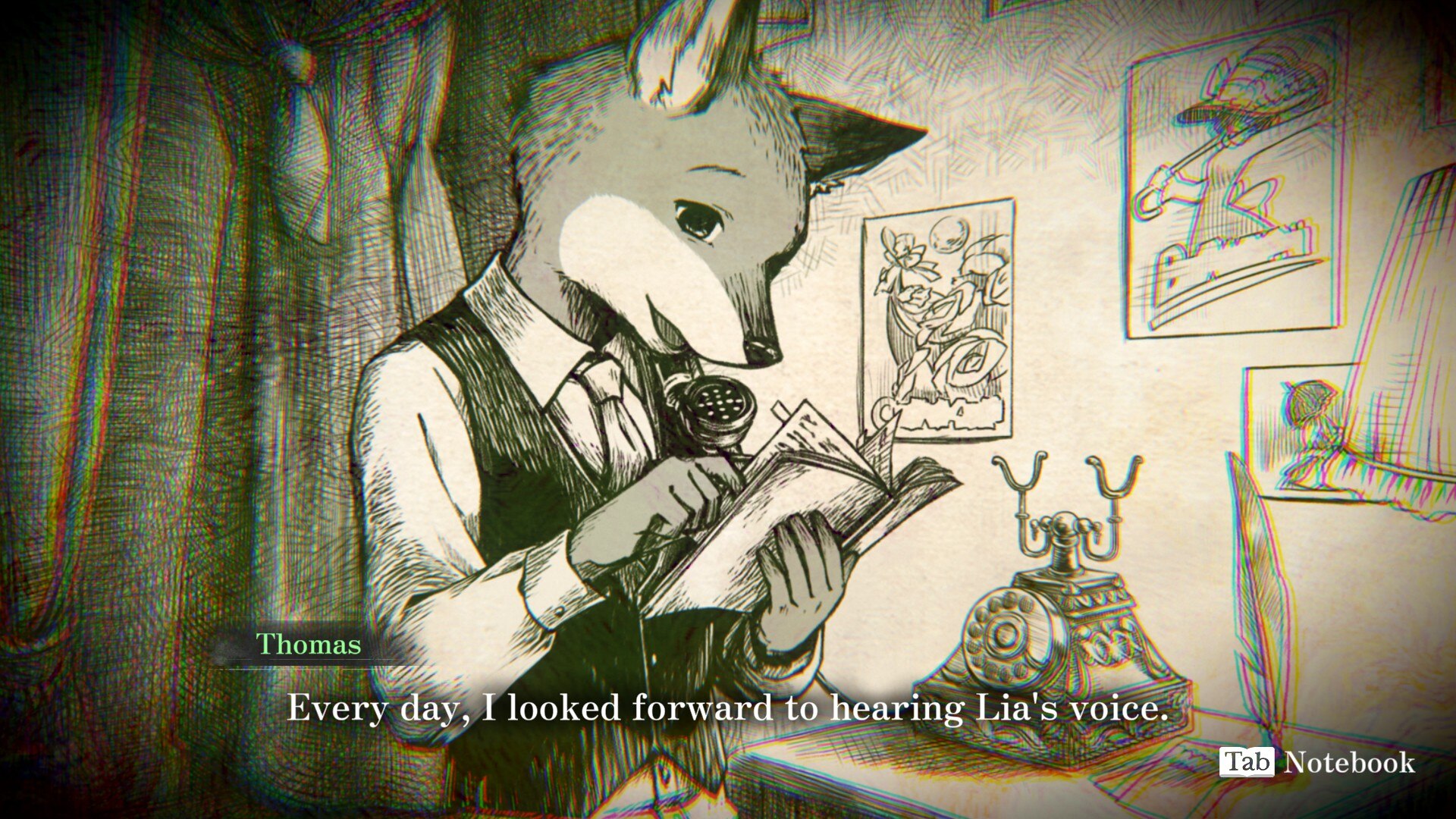
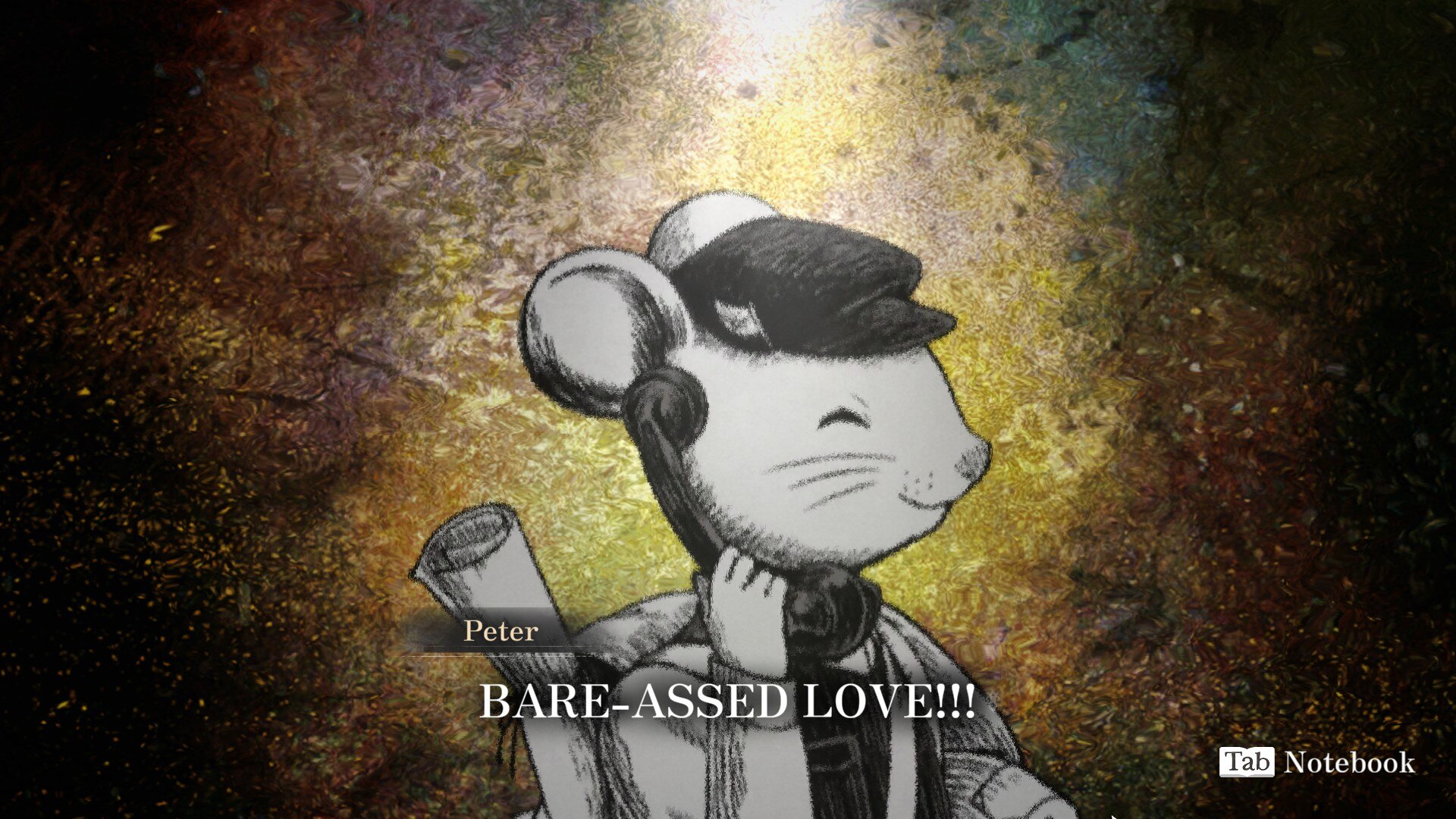
To give you an idea of what to expect, the first chapter follows Lucy, a humanoid animal resembling a fox or a dog. In fact, all the callers are depicted as humanoid animals, while Mary herself appears to be human. My interpretation is that, because Mary can only hear the callers rather than see them, the developers chose to give each one a distinctive visual form while keeping their true appearance ambiguous. This preserves an air of mystery surrounding who they really are until their story gradually unfolds through Mary’s conversations with the chapter’s central character.
Alongside the main caller, there are also what the game refers to as third-party callers. Since the deceased characters are unable to call one another during this frozen moment in time, these conversations instead take place through Mary. Each central character retains only the memories of the phone call they were having when they died, meaning Mary has to piece together the events surrounding each tragedy by digging into their relationships with other characters.
These third-party callers provide additional insight into the chapter’s central character, helping Mary uncover what happened before their death. In Lucy’s case, her third-party caller is John, an owl who looked after her son, William, while she was in prison. Lucy had been released on the day of the moon crash and was calling William for the first time in ages, hoping to reconnect with the son she had not spoken to since her imprisonment. Of course, there is a lot more details to that which covers a range of emotions, but as with any good story, there are revelations, twists and interesting story beats that keep people gripping to find out the conclusion to the story and the game’s message, which has some clear discussions online as to what it all means that you can find yourself being pulled into if you are curious.
That said, the game does have moments where it feels a little dragged out. I don’t need to be told about something three or four times; I understood it the first time, and certainly did by the second, but the game often stretches these moments out before finally delivering the revelation. This became a little frustrating, as I found myself wanting it to move forward rather than repeatedly being told the information I had already understood. This happens throughout its chapters, and when it is not through repeated text or dialogue, it is often through the artwork depicting similar scenes or ideas that have already been discussed. While this can help reinforce the story’s themes, it eventually begins to lessen the impact of those moments rather than making them feel as meaningful as they are supposed to be.
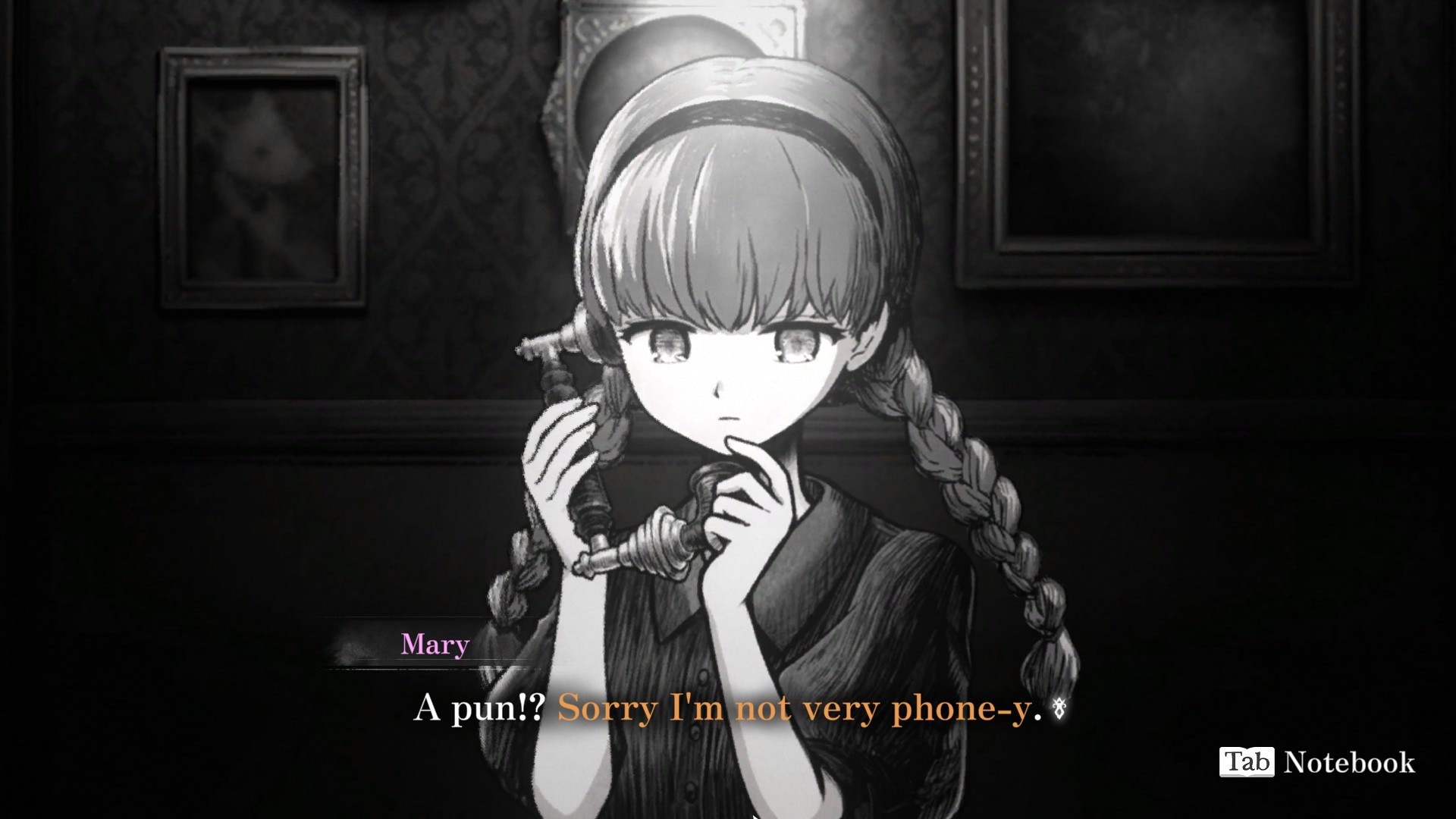
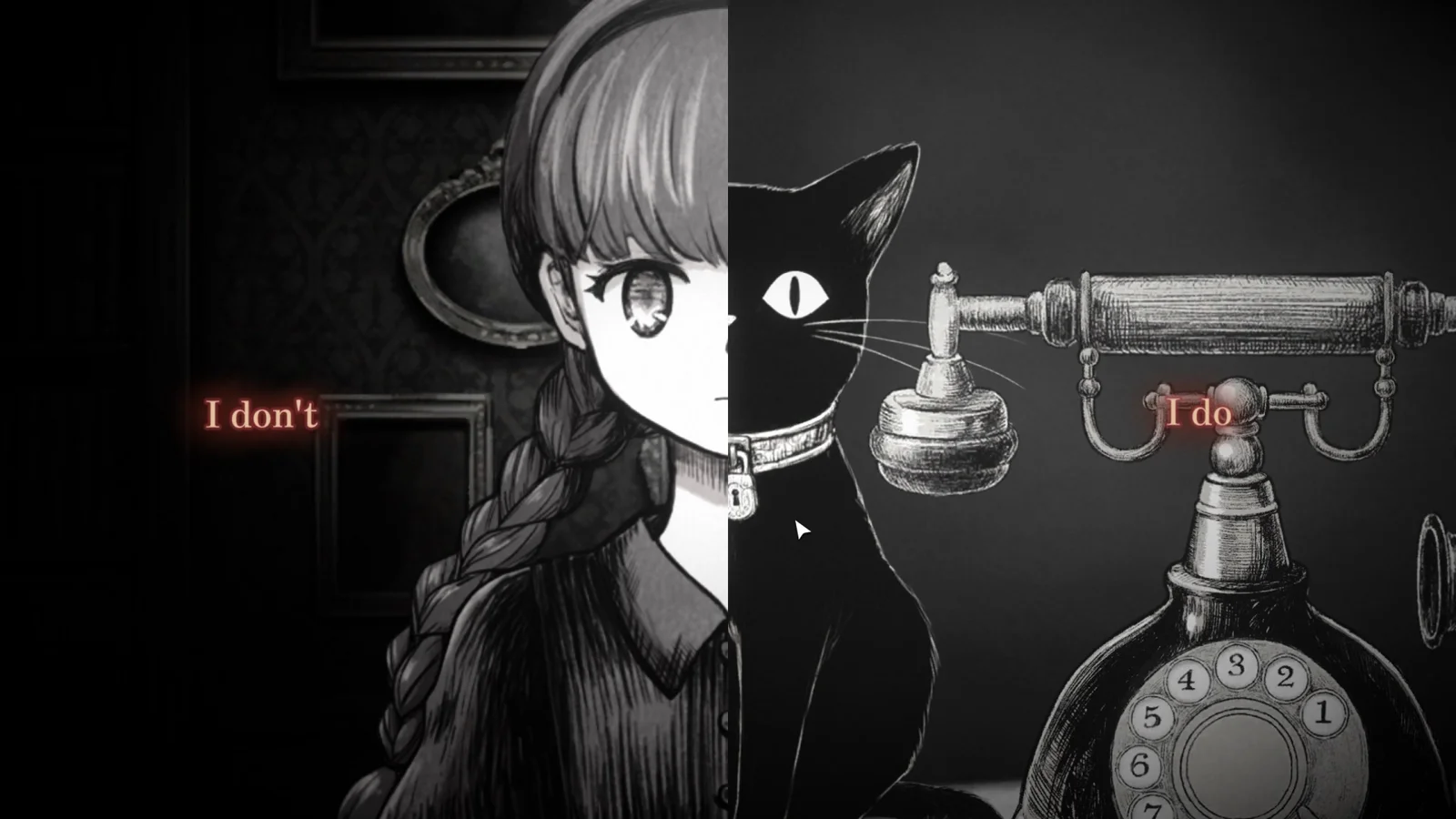
With the only real player involvement being dialling a short list of numbers from Mary’s notebook and examining the comments she records, which contain highlighted keywords that can be used as questions or responses during phone conversations, the majority of the interaction is extremely limited. Choices may provide additional dialogue, but they ultimately guide you back to the same options rather than creating different outcomes. There is no punishment for selecting the wrong response, meaning there is little reason to replay the game unless you want to revisit the story, much like returning to a favourite book.
Schrödinger’s Call took me around 15 hours to complete, although this will naturally vary depending on reading speed and how quickly players navigate through the menus. For the experience it offers, the game is also reasonably priced, with a £14.99 asking price for those wanting to experience this unusual end-of-the-world narrative.
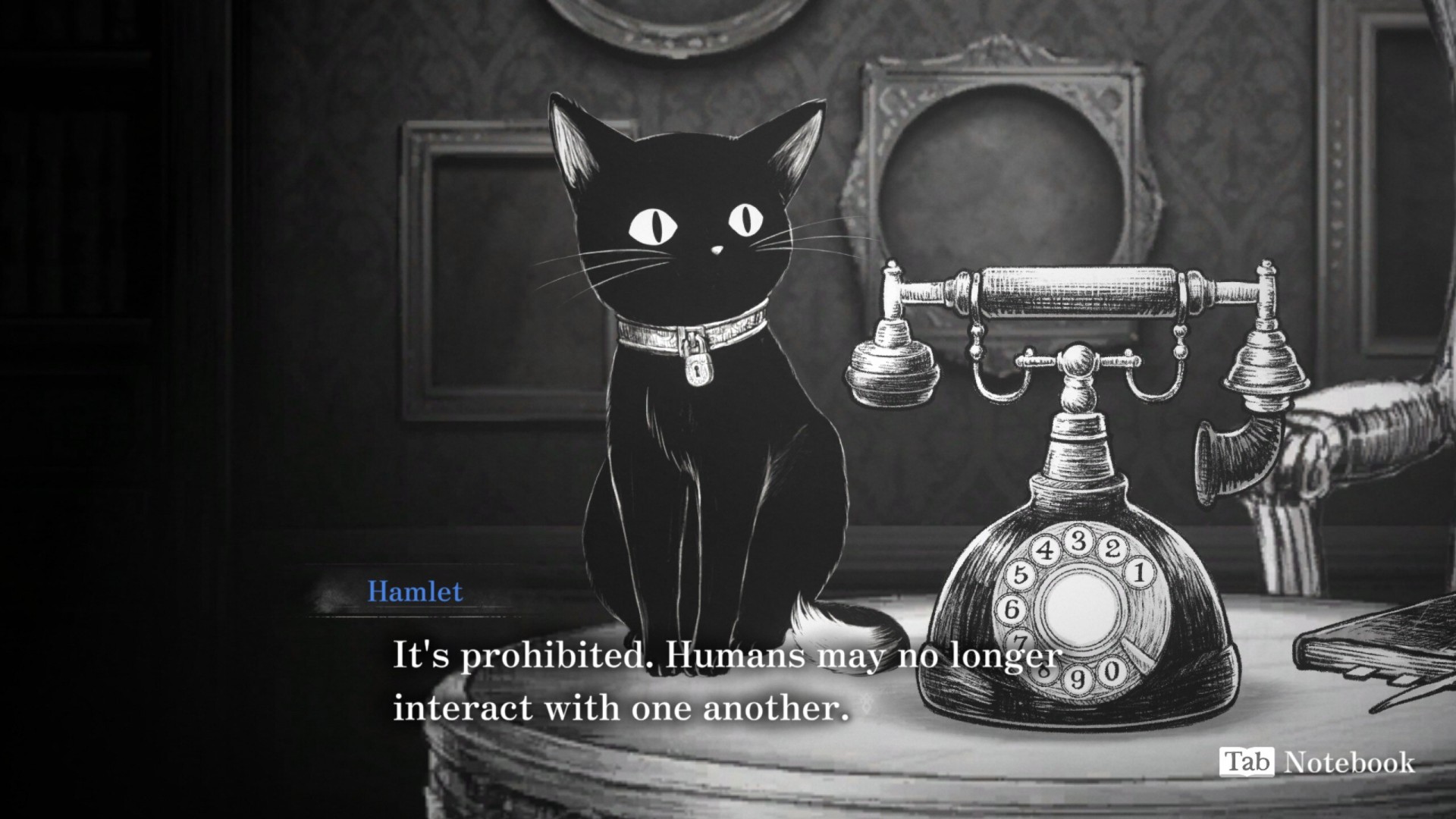
Visually, Schrödinger’s Call is one of its strong points. The game presents its themes through an artbook-inspired sketch-like drawings that give it a distinctive visual identity. This approach not only creates a striking presentation but also complements the darker themes and surreal concepts explored throughout the story. The artwork captures the emotions behind each conversation effectively, using its unusual imagery. At times, the visuals can even become quite surreal, creating moments that feel almost trippy as the game explores the strange circumstances that appear within its narrative.
Music fits well too, although there is no traditional voice acting. Instead, characters use mumbling that resemble speech as their dialogue appears on screen. At first, I thought the mumbling sounded like Japanese, but it does not appear to form any recognisable sentences. I’m guessing its done to offer some sort of abstract chatter to accompany conversations. While it may not replace full voice performances, it does add another layer to the presentation and helps make the characters feel a little expressive.
Schrödinger’s Call delivers an emotional visual novel experience with a good art style and an intriguing premise, but its limited interaction and slow pacing may not appeal to most people. The game places storytelling above all else, offering a strange, surreal journey centred around the final moments before the Moon crashes into Earth. Its artwork and soundtrack help draw players into its narrative, while the individual stories of those Mary encounters provide some genuinely touching moments. However, its extremely limited gameplay, lack of meaningful choices, and occasional repetition can make the experience feel overly passive, meaning I imagine only dedicated visual novel fans will truly get the most enjoyment from it.