Killing Floor 3 PC Review
It’s fair to say that each Killing Floor entry has cultivated a cult following, delivering arena-based monster massacres backed by strong developer and fan support. The franchise began as a mod for Unreal Tournament 2004 in 2005 before evolving into a standalone release in May 2009. Its sequel, Killing Floor 2, followed with early access in 2015 and a full launch in late 2016, receiving years of post-release updates and maintaining a vibrant player base.
The third instalment, Killing Floor 3, was announced at Gamescom 2023 and, after a delay, finally arrived at the end of July 2025. With Tripwire Interactive aiming to reignite the series’ momentum, fans are eager for a return to chaotic gory mayhem and a steady stream of content. But after some hiccups during its closed beta in February 2025, what exactly does Killing Floor 3 bring to the table, and does it live up to its blood-soaked series?
These games have never been known for story, and Killing Floor 3 continues that tradition. There are small attempts to drop bits of narrative during the missions, but it is never the focus. The setting takes place in the year 2091 where Horzine’s bioengineered horrors, the Zeds, continue to plague the world. Players are part of Nightfall, an anti-Horzine group led by Cordelia Clamely, granddaughter of Kevin Clamely, the guy who founded Horzine. Due to the 70-year gap, most characters from the past are gone, replaced by new faces making up the game’s six Perks (classes), with a bizarre clone story explaining why Mr. Foster is still kicking as a Commando.
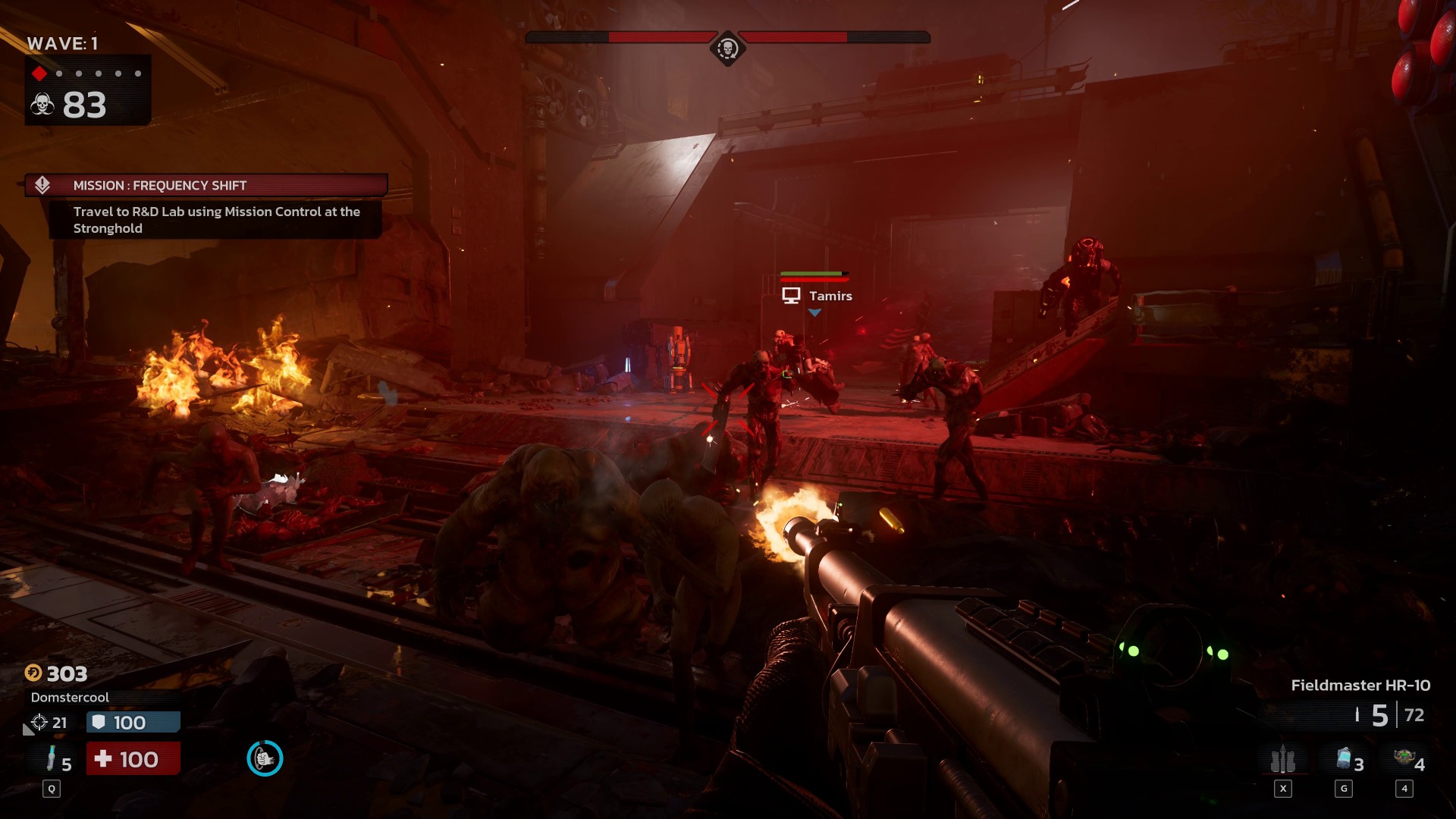
The story in the campaign is built from short objectives set in specific maps, such as burning tainted corpses in the Army Depot, scanning containers, or analysing samples in the R&D Lab. Completing these tasks rewards cosmetic items and experience points. Story delivery is limited to short voice transmissions from Cordelia, and while it helps add some context, it does little to change the familiar arena survival formula. Yeah, people don’t play these PvE arena shooters for the story, so I can’t fault Tripwire Interactive too much for not tossing in much narrative, so what is there is basic objectives woven into the Zed-slaying chaos of Killing Floor 3. At best the story missions provide a small wrapper for the wave-based co-op action that remains the heart of the series.
After a short introductory tutorial that teaches the basics, Killing Floor 3 opens into its core multiplayer experience. From the Stronghold hub, players can select their Perks (classes), set up loadouts, and invite friends before heading into missions. The game supports up to six players in total, staying true to the series’ trademark co-op action. You can play solo, squad up with friends, or enable matchmaking so random players can fill open spots in your team.
Crossplay works seamlessly across PC, Xbox Series X|S, and PlayStation 5, which has helped keep matchmaking active even weeks after launch. This is especially important for a co-op game like this, where the action scales with your squad size; more players mean more Zeds flooding the map, and bosses that grow tougher with higher health. Whether you’re solo or rolling with a full six-player team, this means that no matter the player count, players are always getting action when the zeds per wave are hitting over 300 bodies.
Content is an interesting discussion for Killing Floor 3. Unlike Killing Floor 2, which launched in Early Access and evolved with community feedback and added more content over this Early Access period, Killing Floor 3 skipped that stage and released as a full game from the start. Because of this, some players may find the launch offering a little light on content compared to expectations. The game currently features eight maps, all available through the Stronghold hub or directly from the menu, with an additional random option if you don’t want to choose. At launch there is only one main mode, Survival, supported by three difficulty levels: Normal, Hard, and Hell on Earth. While the foundation is solid, the limited content at release means much will depend on future updates to keep players engaged over time. The positive side is that Tripwire has a history of supporting its games for years after launch, and if Killing Floor 3 follows the same path, it has the potential to grow into a much larger and more feature-rich experience than what’s available right now.
One of the strangest omissions in Killing Floor 3 is the lack of match options. At launch, the only available mode is Survival, and it always runs five waves followed by a sixth boss wave, regardless of whether you’re playing on Normal, Hard, or Hell on Earth. In Killing Floor 2, players could choose between shorter or longer runs (4, 7, or 10 waves) or even push through an Endless mode for as long as they could survive. Killing Floor 2 also offered one more difficulty tier, Suicidal, which sat between Hard and Hell on Earth and gave players a smoother progression between difficulties.
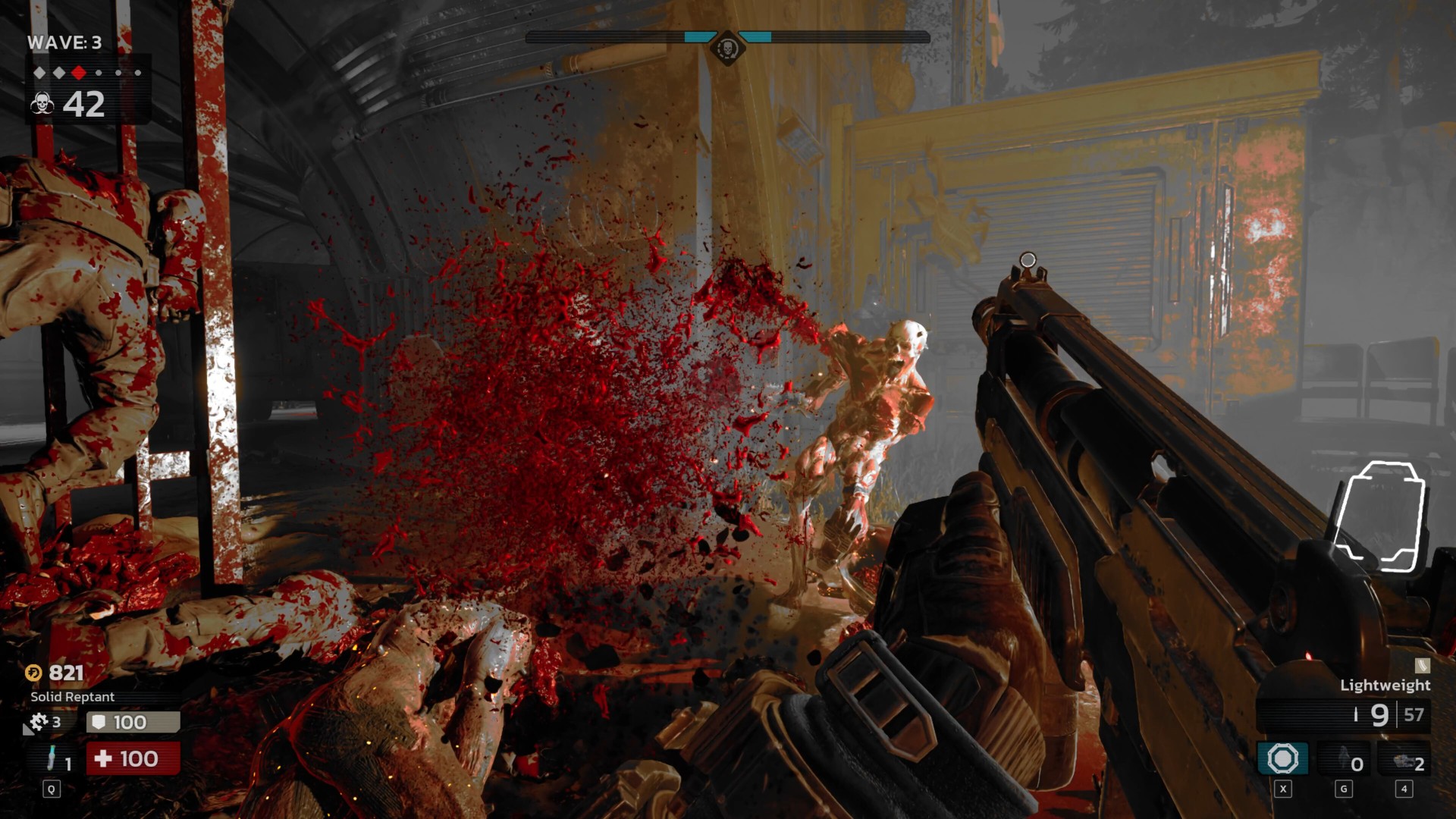
Here, that middle step is missing, making the leap from Hard to Hell on Earth feel more punishing unless your chosen Perk (class), of which there are six at launch compared to Killing Floor 2’s ten, is levelled up with its skills unlocked and supported by strong weapon upgrades. It makes the progression for a Perk less smooth to reach level 30 as the jump between these two difficulties will most likely end in a lot of failures due to under level Perks unless players have been grinding Hard. The fixed six-wave structure also limits weapon purchasing; often I find myself unable to save enough currency to buy the gear I want before the boss fight. Longer match options, as in Killing Floor 2, would have helped address this and give players more flexibility in how they purchase their weapons at the shop between waves. Maybe I just waste my gear too much and spend my cash on refilling, but there should be less dosh demand when coming up to the last couple of waves in a match.
Killing Floor 3’s Survival mode sticks closely to the series’ established first-person arena-based formula. Each match follows a wave-based survival structure where teams fight escalating hordes of Zeds, pause briefly to resupply at the trader pod, and repeat until the boss wave encounter. The focus remains on cooperative play, with each player choosing a Perk that defines their role and unlocks abilities as they level up.
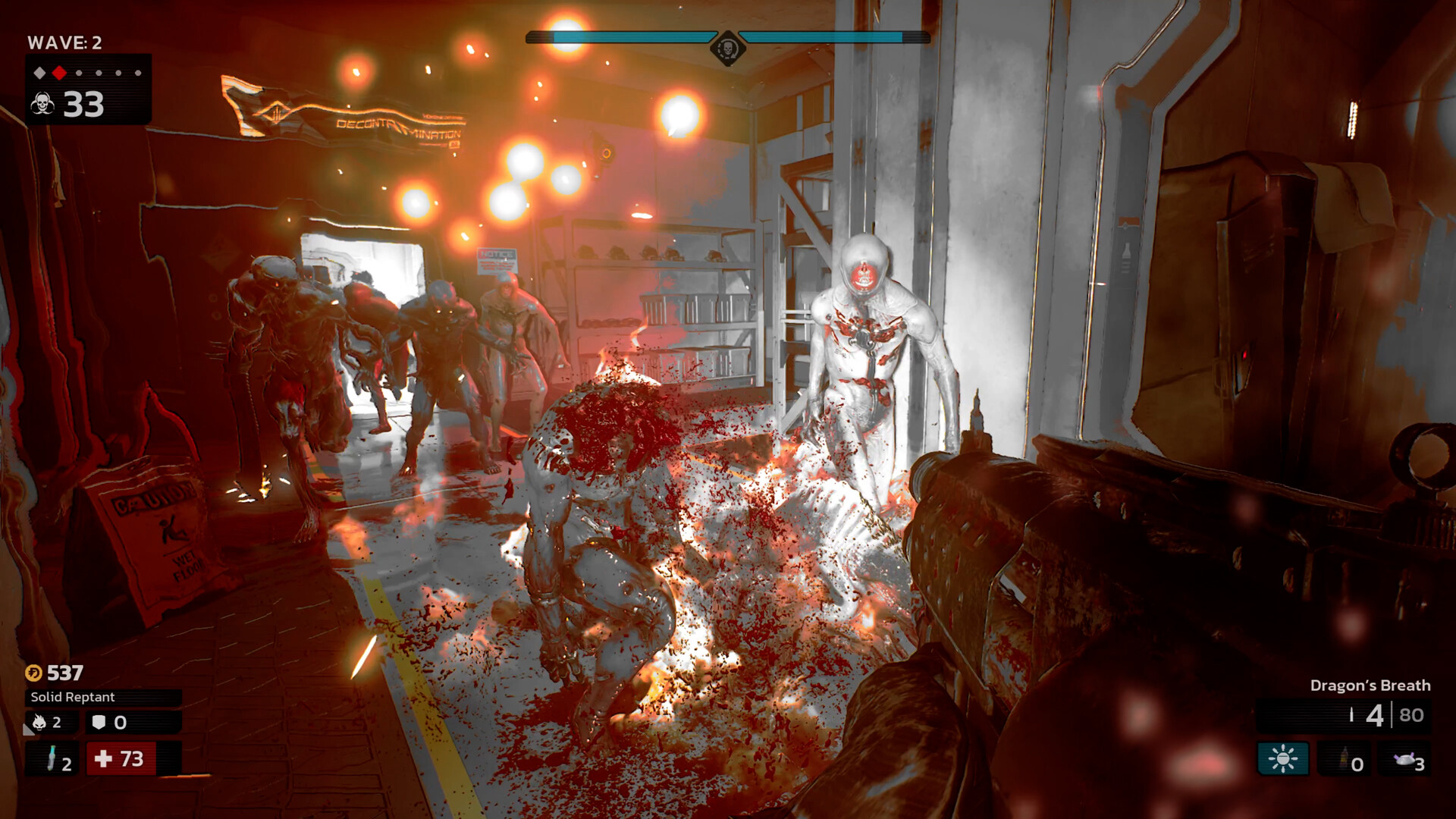
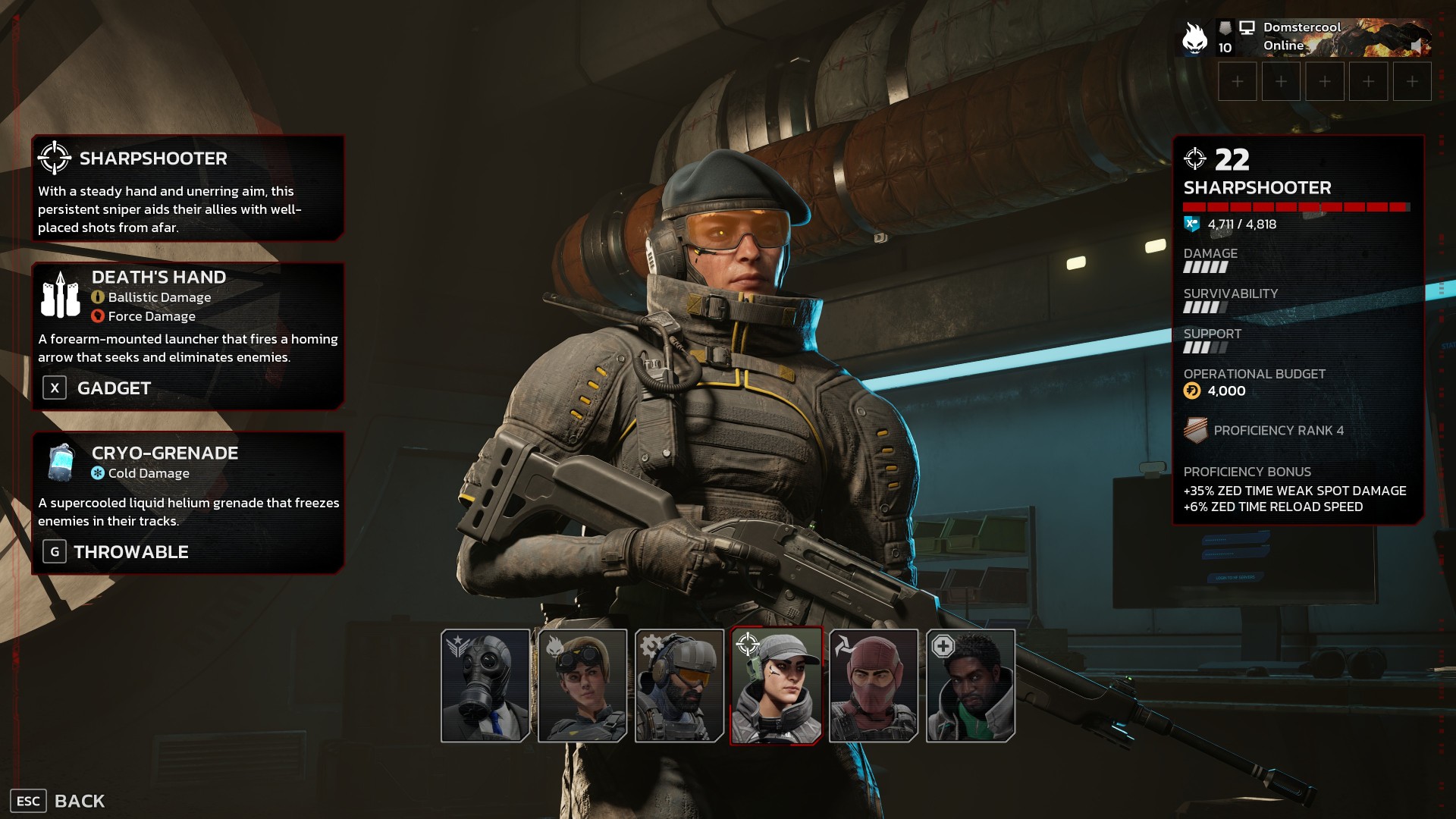
Each Perk in Killing Floor 3 feels distinct. Commando handles general combat with assault rifles for reliable mid-range damage, Firebug controls crowds with flamethrowers and incendiary weapons, Engineer provides support and defensive tools using shotguns and tools to activate turrets, Sharpshooter focuses on long-range precision with marksman rifles, Medic keeps the team alive while still able to attack with SMGs, and Ninja excels in fast, aggressive melee using katanas and close-quarters weapons. While it would be nice to have more options, the six available are unique enough, with different abilities, movement, and weapons. It’s easy to find one that suits your playstyle. Other Perk weapons can be accessed at the trader pod which adds further flexibility for customising your Perk with different loadouts.
On the surface, Killing Floor 3 seem like more Killing Floor, but several changes might either excite or frustrate longtime fans. One of the biggest improvements is in level design, which now takes advantage of the game’s new enhanced movement system. Players can grab onto obstacles to pull themselves up, making it easier to cross gaps or reach high vantage points. This verticality is already noticeable in maps like Office, which starts on a rooftop and lets players move down through the building’s sides and interior floors. Some areas even include zip line points, activated with the Engineer perk’s default multitool, further expanding ways to traversal the maps.
Mobility has also been upgraded with sliding and dodging mechanics. Sprinting into a slide is especially useful when surrounded, while the dedicated dodge button provides a quick dash to evade enemy attacks. Together, these tools create more dynamic escapes and positioning options than in Killing Floor 2. These changes make the combat loop feel different from its predecessor. While Killing Floor 2 leaned more into a grounded combat horror, the combat loop here feels more exaggerated, pushing it toward more action-oriented gameplay.
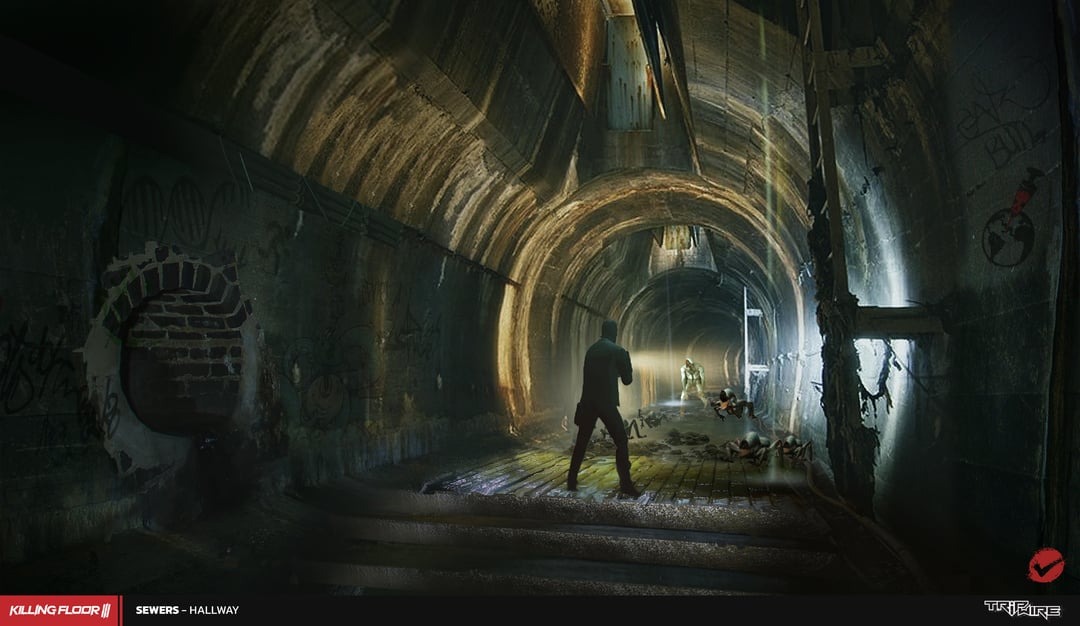
While the level design successfully showcases the player’s new mobility, the maps themselves suffer from a thematic sameness. Despite the game’s futuristic setting, many of the eight launch maps fall into familiar tropes: dystopian cityscapes, sterile industrial interiors, and grim, dark exteriors. Although each level features a unique layout, their visual identities often blur together. This is compounded by consistently dim lighting; while it suits the horror atmosphere, a greater variety in the time of day or environmental conditions would have provided some much-needed visual contrast. Looking ahead, the next two maps, Prison (Season 2) and Research Base (Season 3), still appear to favour night time settings, but at least the artwork image for Prison makes it seem like the prison is overrun with vegetation, which suggests a welcome thematic shift compared to what’s available at launch.
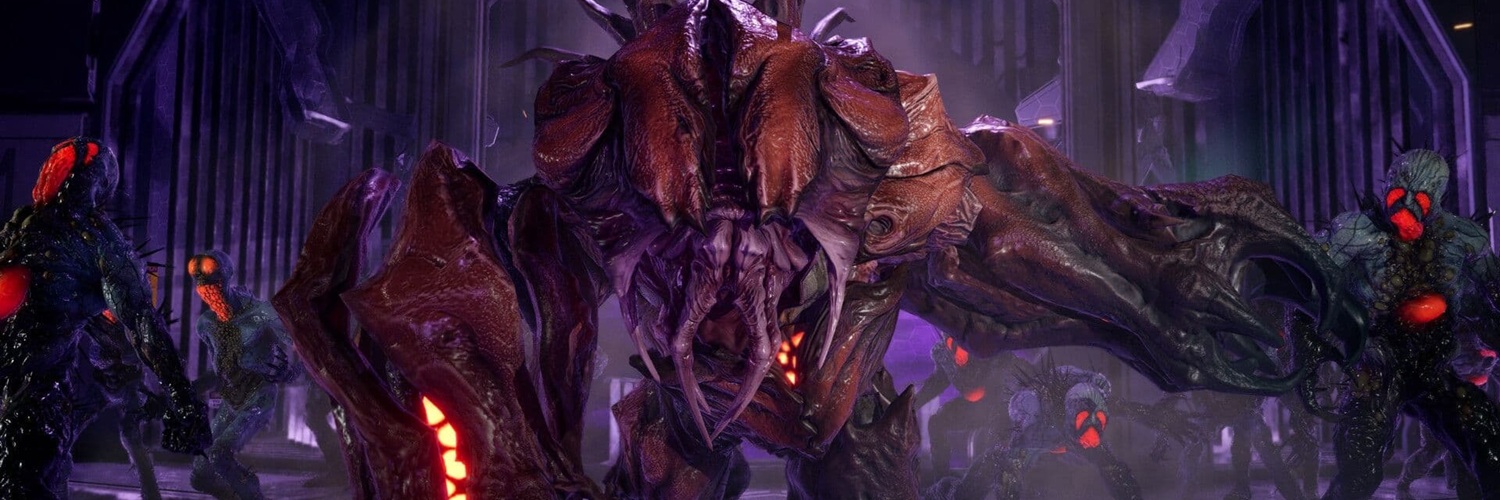
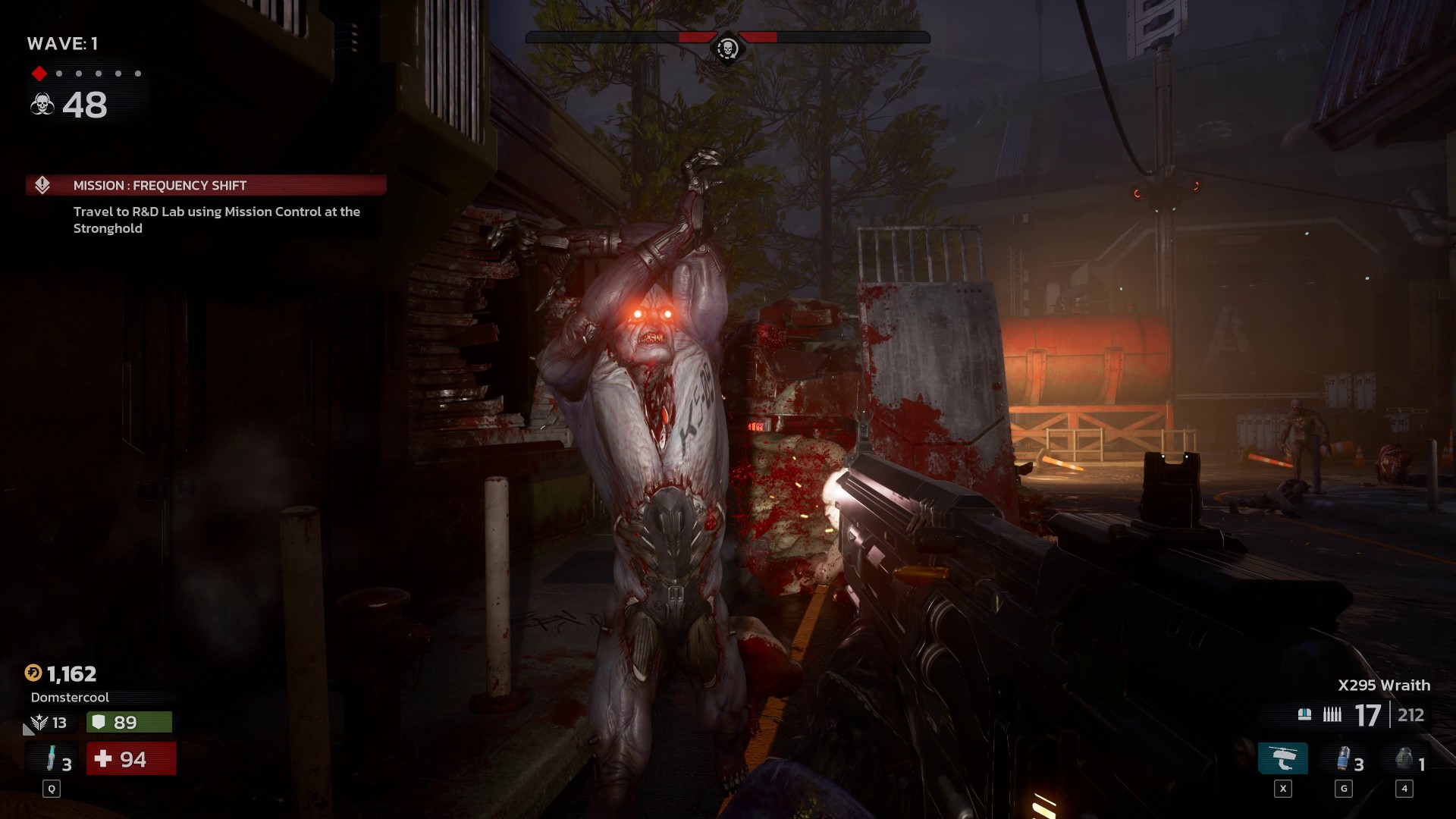
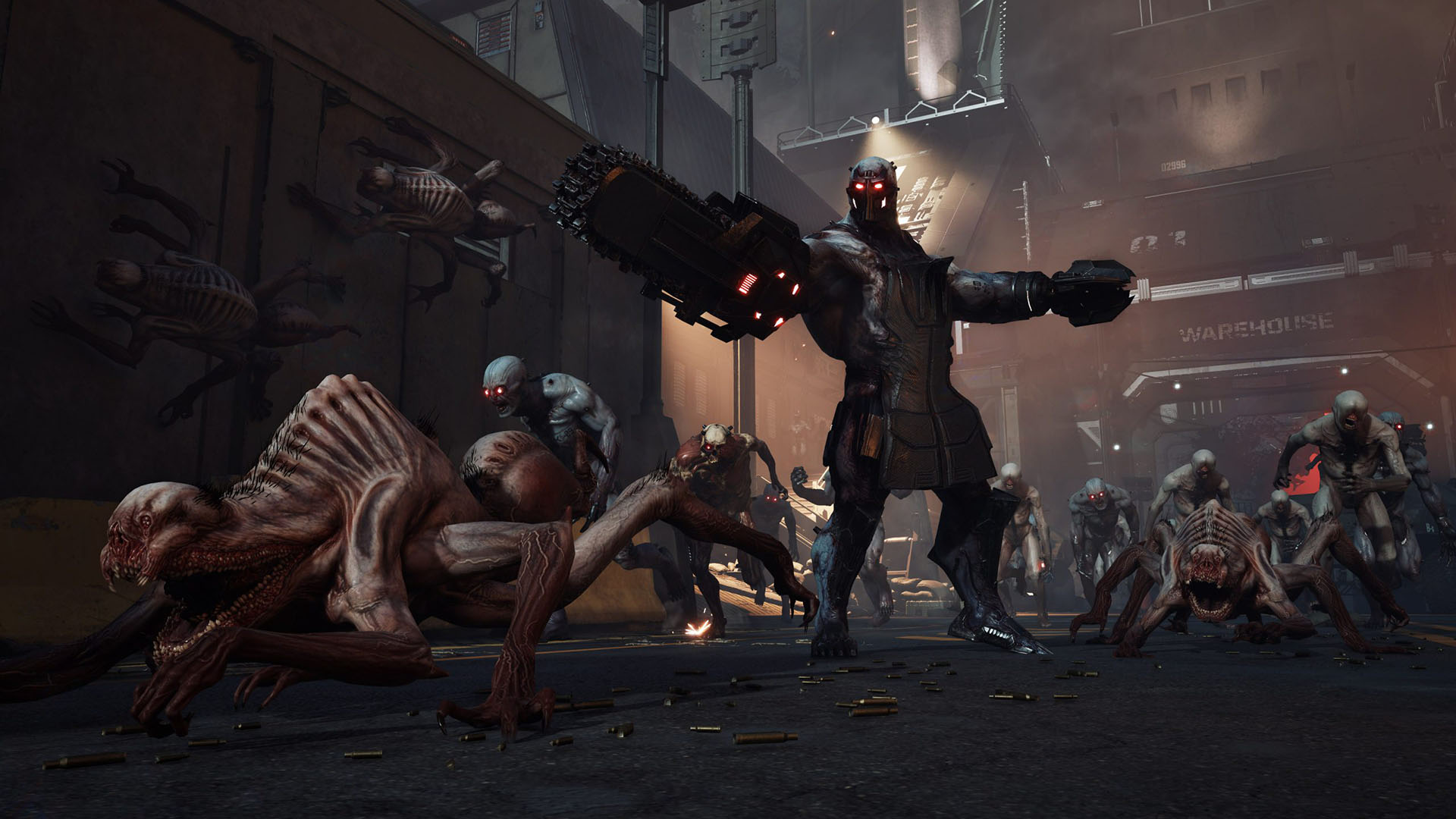
Enemies flood the maps from multiple entry points, sometimes spawning in ways that look unintentionally comical, such as popping upright out of vents, as if missing animation frames. Most of the foes return from Killing Floor 2, now reimagined with a futuristic twist, alongside a handful powered-up variants. For example, the once naked bloody Clot now sports metallic implants across its abdomen and arms, with glowing red goggles replacing its eyes. Many of the redesigned Zeds wouldn’t look out of place among Cyberpunk 2077’s Maelstrom gang.
Each enemy has weak points, typically the head or glowing red cores embedded in their bodies, such as the chest cores on Flesh Pounds. Basic Zeds attack with melee swipes or bladed arms, while others bring more disruptive abilities; Sirens emit damaging screams in an area of effect, Bloats spew corrosive vomit, and some wield ranged weapons like extending metallic arms or firebombs. On their own these threats are manageable, but as wave counts rise and enemy numbers swell, especially on the harder difficulties where they also hit like a truck, the challenge quickly escalates into chaos, which makes for some hectic, if dangerous, fun.
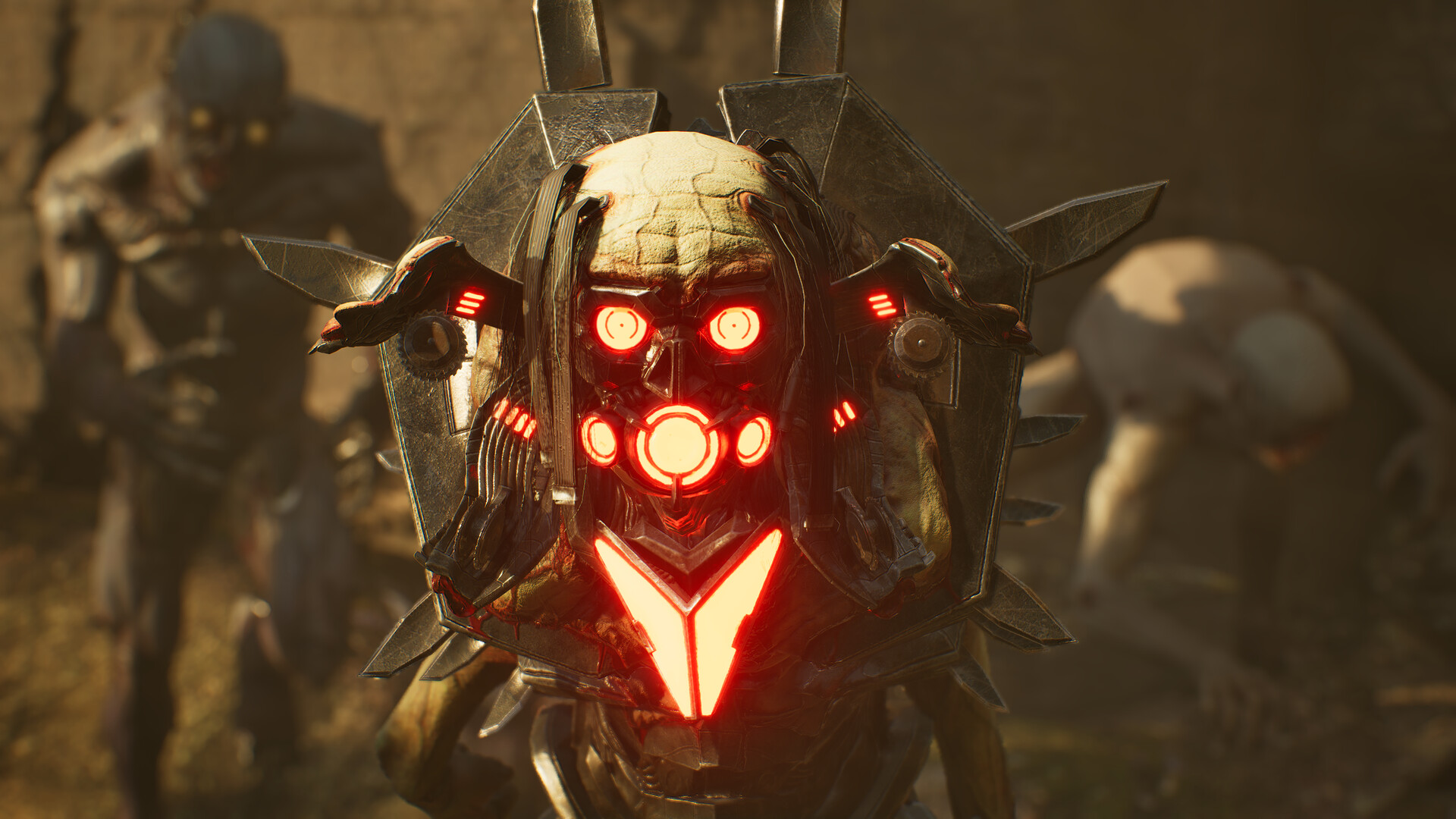
One downside is that there are only three bosses in the game. This is like my experience with Killing Floor 2 at launch, where I believe that only had two back then. While all three of the new bosses are unique, one of them can appear in a group of three when the match has the maximum number of players, creating an extremely challenging encounter that is arguably the toughest of the three. I find it puzzling that boss variety is so limited, as the developers could likely get very creative with new bosses in this futuristic setting, adding more diversity and replayability to the endgame as repeating the three bosses does get tiring compared to standard wave combat.
To combat the monstrous Zeds in Killing Floor 3, players have an arsenal of 24 weapons to pick from. Each Perk has 4 weapons. For example, the Engineer has shotguns like the Bonebreaker and ConTek CSG, while the Firebug ignites Zeds with the Vulcan TA Flamethrower. The Ninja stands out with its melee focus, slicing through hordes with the Katana and ranged Kunai, earning its Ninja name.
Beyond weapons, each Perk starts with unique gadgets, swappable at the Trader. These include the Commando’s ammo bag for resupply, the Medic’s syringe for quick self-heals (Q key), the Engineer’s multitool for turret activation, and the Sharpshooter’s door bomb to trap approaching Zeds. Special abilities tied to the X key are critical to the gameplay, like the Commando’s acid drone, Medic’s healing/damaging aura dome, Engineer’s sonic cannons, or Sharpshooter’s homing missile launcher. These are timed and must recharge after use. Every gadget has its purpose and each Perk shines in their combat focus, though healing and ammo feel like the backbone of any squad.
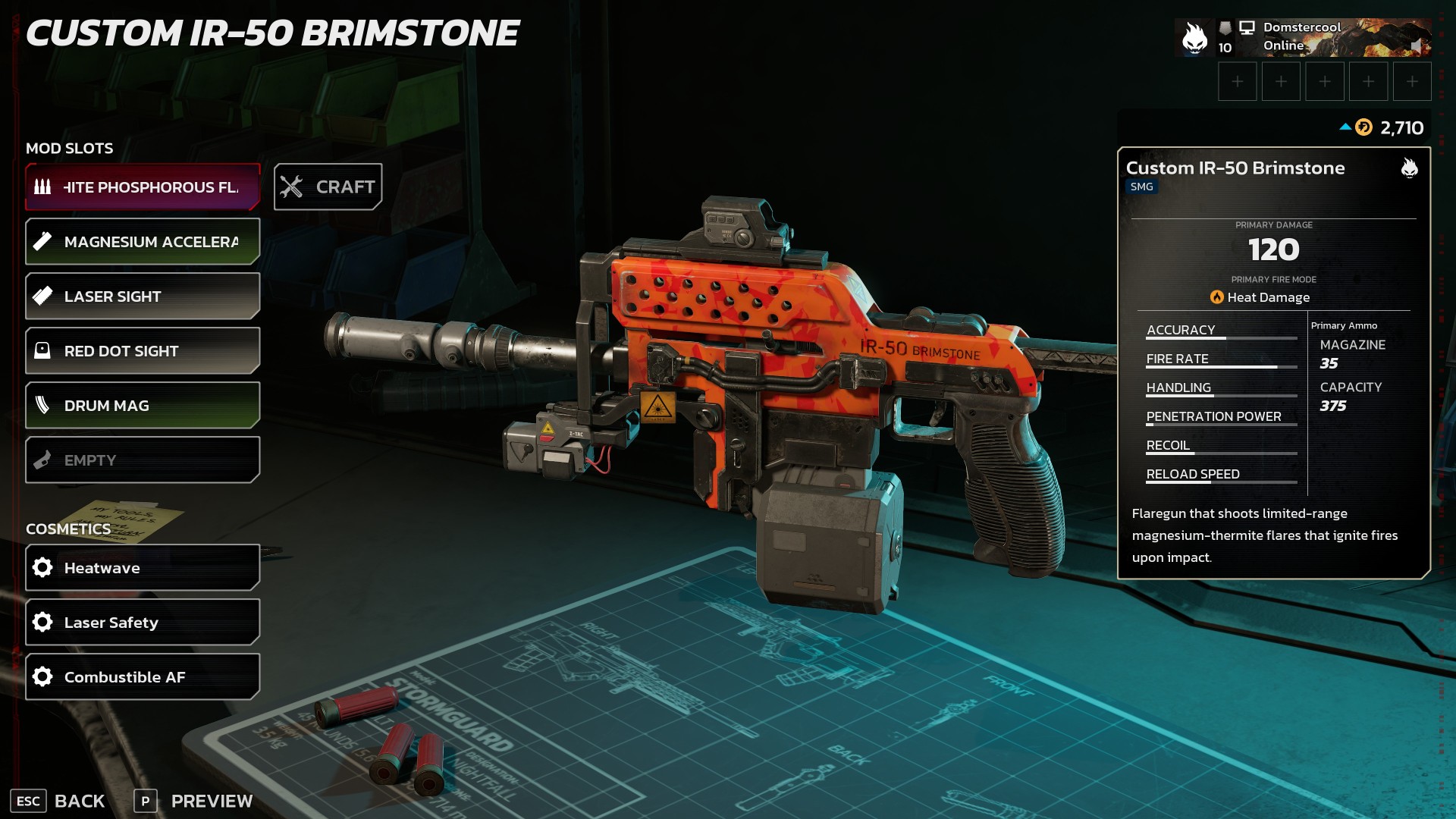
Weapons feel vital in Killing Floor 3 with the difficulty scaling due to the introduction of the weapon mod system. In this game, weapons can enhance their base stats through crafted mods. Materials are gathered during matches by scavenging the map, things like breaking cameras or looting Zed drops, and then used to build upgrades such as barrels, grips, magazines, or sights. Each mod type affects a weapon differently and gains stronger effects through three upgrade levels, with higher tiers demanding rarer materials. There’s also an element of RNG in which skill buff is applied to the created mod, meaning some setups will naturally fit certain playstyles better than others. While I enjoyed experimenting and the satisfaction of fully maxing a weapon, I did feel the grind was a little too steep. Materials trickled in slowly, and getting the exact buff I wanted on a couple weapon setups took me well over 40 hours of play. Equipping mods also raises a weapon’s cost, which means that unless your Perk is max level and benefits from the higher starting dosh, fully geared weapons are typically purchased from the trader during downtime between waves rather than at the initial loadout screen.
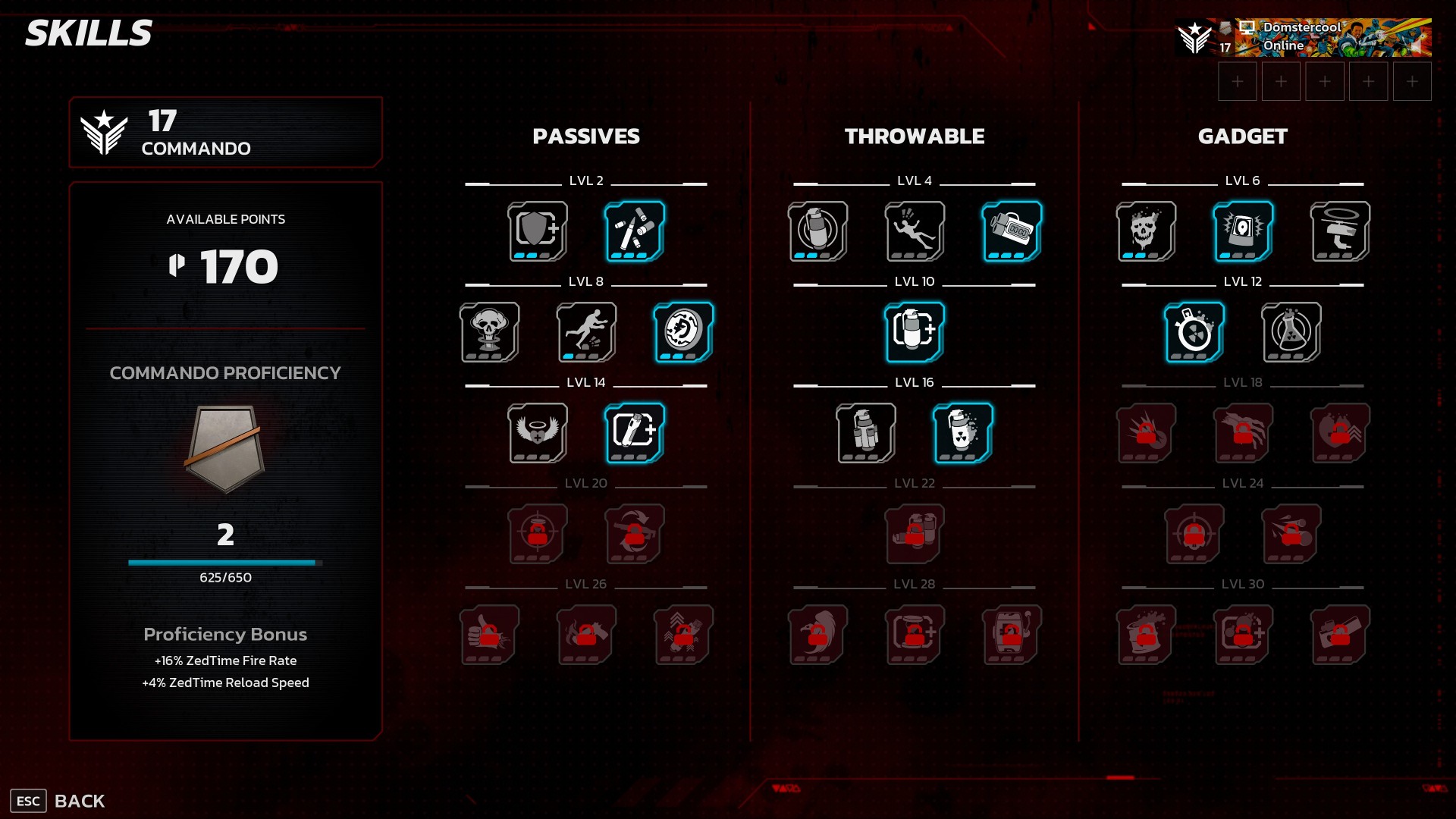
Each Perk in Killing Floor 3 can be levelled up to 30 through experience earned in matches. As you progress, new skills unlock within that Perk’s tree, each enhancing a specific aspect of the playstyle. Unlike weapon mods, there is no RNG here because skills are fixed, but they can be upgraded up to three times using Perk Points gained simply by playing. This system adds more depth than the linear perk upgrades of Killing Floor 2 and offers players flexibility with different builds and even create some surprisingly strong setups for the more advanced Perks.
Killing Floor 3 runs on Unreal Engine 5, complete with all the advanced rendering features the engine is known for, including Lumen raytracing, but also the downside that has been spread all over the gaming forums and press lately about that engine’s optimisation. On my system, equipped with an Nvidia RTX 5090 and an AMD Ryzen 7 7800X3D, maxed-out 4K settings delivered around 60fps, though performance occasionally dipped when the screen filled with Zeds or when their bodies exploded under the new M.E.A.T. 2.0 gore system, which adds highly detailed dismemberment and showers of blood. To maintain a smoother experience closer to 100fps, I enabled Nvidia’s DLSS on Quality, which kept framerates far more consistent. The game also precompiles shaders at start-up to minimize the stuttering issues often associated with Unreal Engine 5, and while this works well most of the time, I did still encounter rare stutters during gameplay and brief hitches when new players connected to a started game. Is the performance demand worthy of its visuals? Probably not, while it is a nice looking game that shines within its neon red lit environments, there is clearly something going on here that hinders what should be a better performing game. It does not look gobsmacking amazing, so it is probably the use of Lumen that degrades the performance.
During games, I also encountered some unusual errors. A few times, the game crashed to desktop popping up the Unreal Engine 5 error box. There were also server issues during the final wave with the dread “Hydra 5” error that would kill the match and return to title screen, losing all progress. This issue persisted for about a week after a patch, causing some loss of progression, but the developers released another update that resolved it. While these early issues were frustrating, they appear to be fixed now. With new content arriving in seasons roughly every three months, it’s difficult to predict the game’s long-term state, but it seems likely that the developers will continue patching and adding content for the next few years before considering a potential Killing Floor 4.
Killing Floor 3 marks a familiar return to the franchise’s wave-based cooperative FPS roots, delivering the chaotic, blood-soaked action fans expect in a new sci-fi setting. On higher difficulty settings, the intensity ramps up considerably, and the addition of new movement mechanics and vertical level design injects just enough variation to keep the gameplay feeling slightly different compared to previous entries. However, the launch offering feels lean. With only eight maps, a single main mode, and limited boss variety, and certain design choices, such as the grindy weapon mod system, may frustrate some players. Ultimately, Killing Floor 3 delivers a solid cooperative shooter foundation. It’s fun, frantic, and mechanically good but it needs time to mature through content updates and system refinements to evolve into something great.