Fantasy Life i: The Girl Who Steals Time PC Review
I never got to experience the original Fantasy Life on the Nintendo 3DS when it released in the UK back in September 2014. At the time, I had already focused my gaming budget on other titles that caught my interest. That month, I picked up Theatrhythm Final Fantasy: Curtain Call (another 3DS game), Hyrule Warriors (I’m a fan of Warriors games and needed more titles for my Wii U), and Forza Horizon 2, the first Forza Horizon game on Xbox One. As a result, Fantasy Life slipped past me, and I never got around to picking it up later. The original was generally well received, so when I had the chance to try the sequel, not titled Fantasy Life 2, but rather the curiously named Fantasy Life i: The Girl Who Steals Time, I was intrigued. With a PC release (my most-used platform these days), it felt like the ideal opportunity, as the original game passed me by, but now I was ready to craft my own path in this fantasy life.
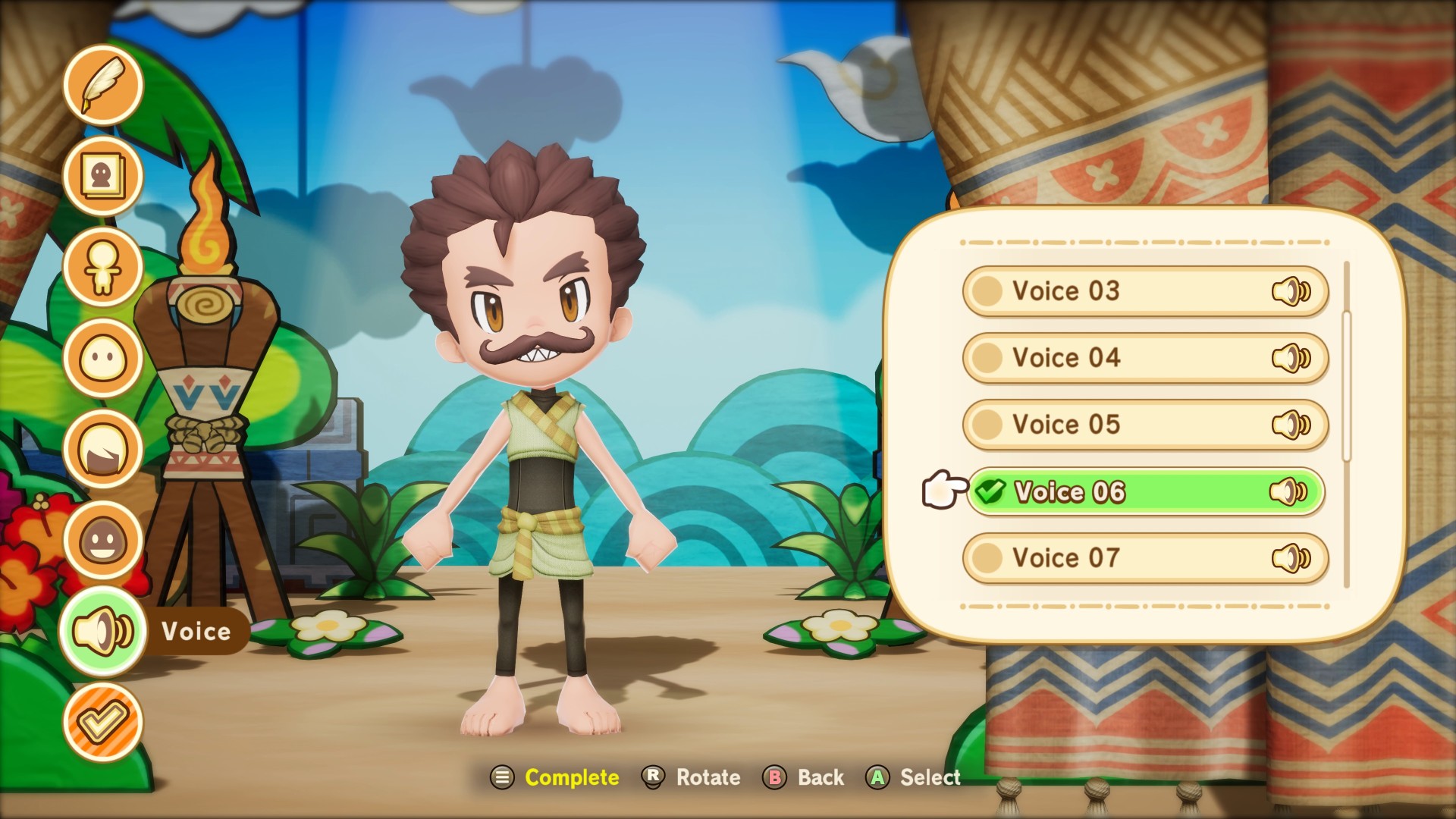
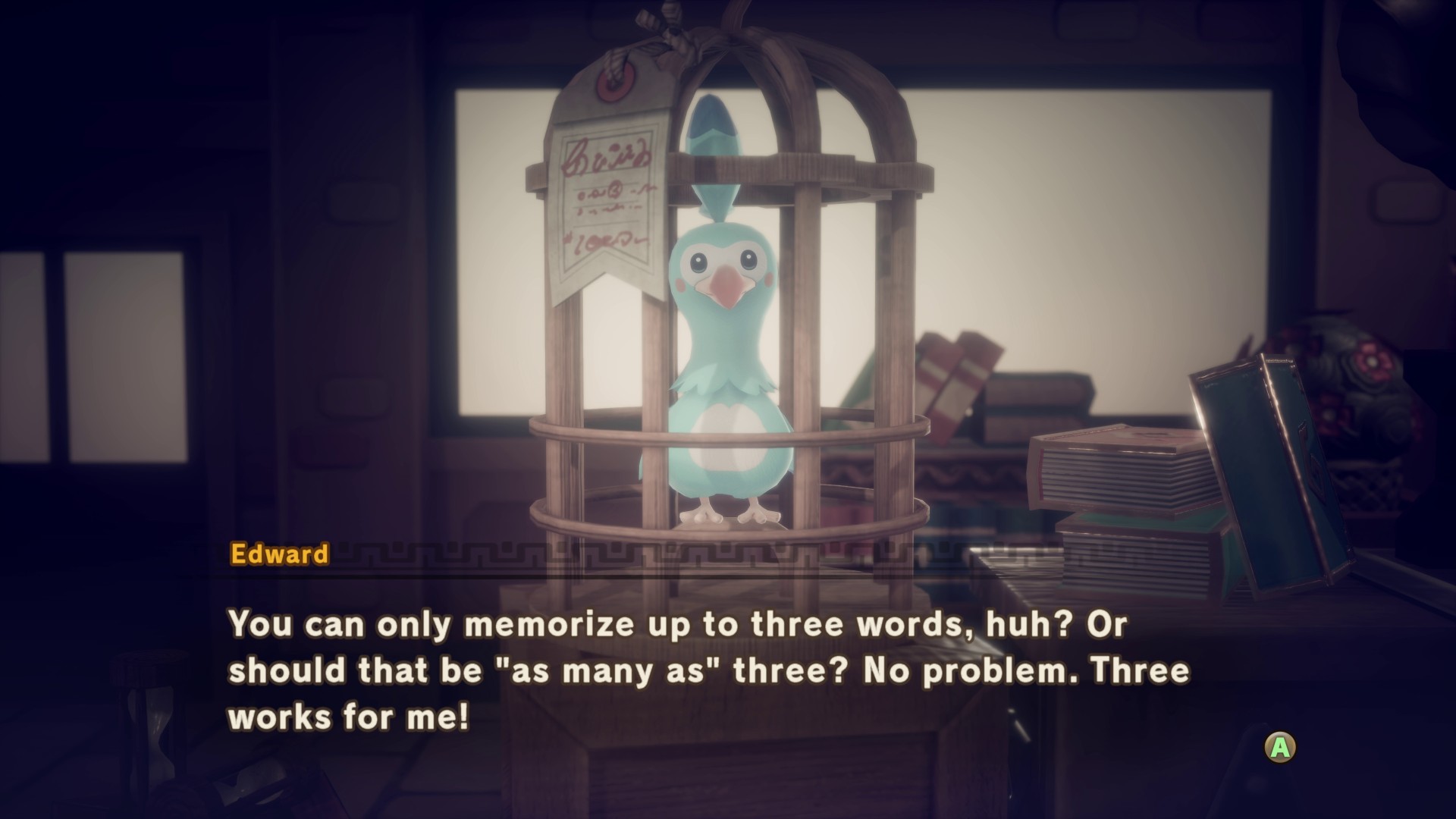
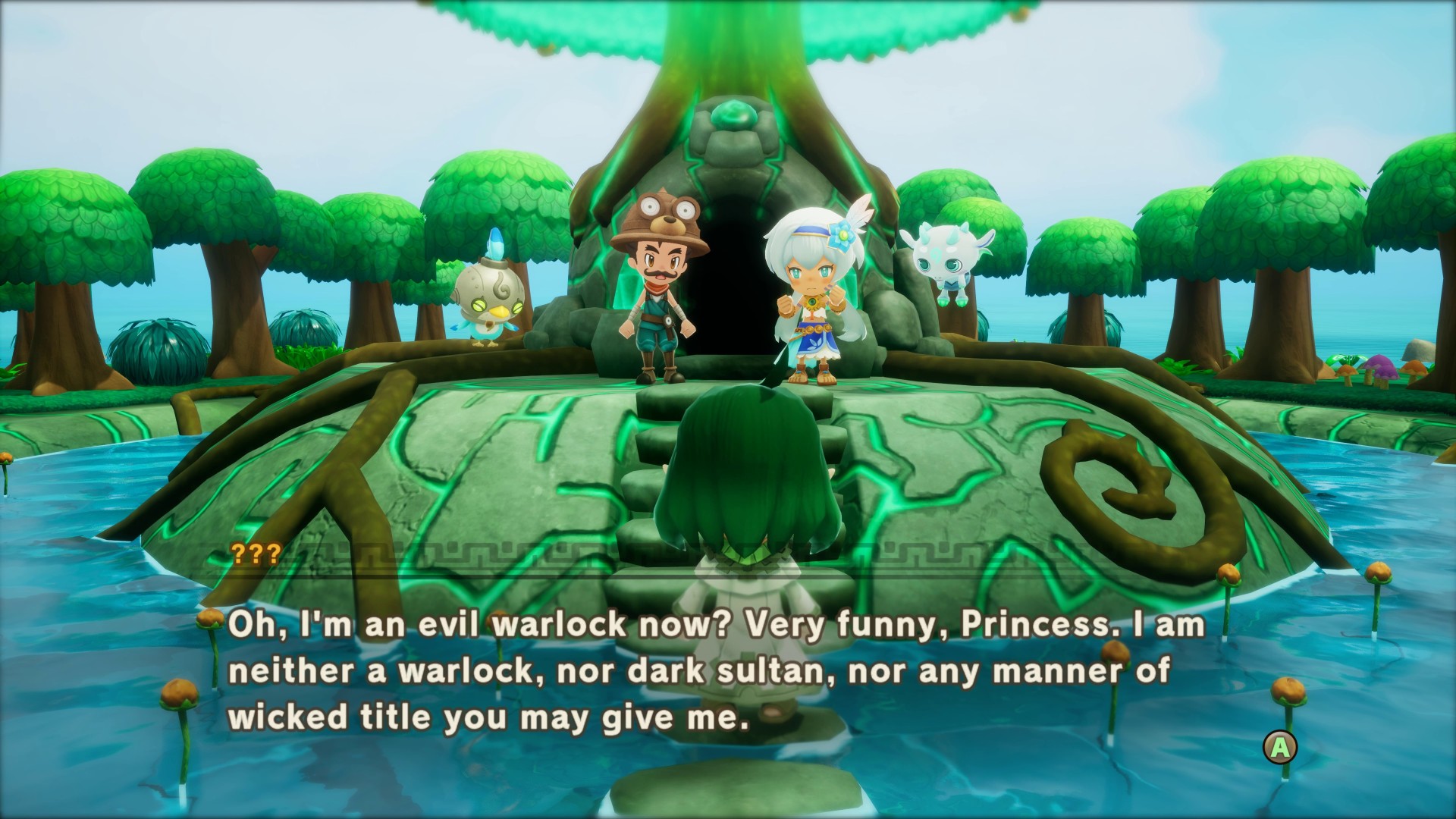
After creating a character using a basic character creator, which offers a handful of face templates, facial features, hairstyles, and colour options, the game begins with our protagonist sailing aboard a ship alongside the eccentric archaeologist Edward. Edward, full of dreams of untold treasures and fantastical discoveries, has invited the main character to join him on this grand adventure. His passion for exploration knows no bounds. Edward also has a talking blue bird companion, whom he met during one of his past trips by purchasing him from street vender when no one else wanted the bird. Trip is also one of the main characters that follows the player around more than Edward.
The party soon discovers an uncharted ruined island, which the player gets to name. However, the excitement is short-lived as a Dark Dragon suddenly attacks the ship, throwing the team into chaos. Amid the panic, a Bone Dragon, mysteriously awakened from a fossil, comes to their rescue. Though the creature helps them escape, Edward falls off the back of it during a flight while escaping, leaving only Trip and the player, who are pulled into a strange portal sending them a thousand years into the past to a thriving land known as Reveria.
The story in Fantasy Life i: The Girl Who Steals Time isn’t the game’s strongest feature. It doesn’t deliver a gripping narrative, and often, it plays second fiddle to the game’s variety of side tasks and gameplay systems. However, what it lacks in exciting storytelling, it makes up for with charm. The writing is whimsical and light-hearted, very kids cartoon in delivery, often silly in a way that’s charming and cute. It might not leave a lasting impact, but its cheerful tone ensures an enjoyable, if simple, tale.
Central to the gameplay is the Lives system, essentially the game’s class mechanic. All 12 Lives from the original Fantasy Life return and are available from the start. Upon arriving in Reveria, players choose one to begin their journey. Lives are grouped into three categories: Combat (Paladin, Mercenary, Hunter, Magician), Gathering (Angler, Miner, Woodcutter, Farmer), and Crafting (Cook, Blacksmith, Carpenter, Tailor, Alchemist, Artist). These roles aren’t permanent; players can freely switch between any unlocked Life by completing a brief introductory quest. Notably, two new Lives debut in this entry, Farmer and Artist, but they’re locked at the start. These become available a few chapters in, tied to specific story progression. It’s a curious design choice, especially since returning fans may be eager to try the new additions right away but must first work their way to unlocking them for use. Each Life offers its own set of quests, gear, and progression, and the game is made to encourage constant switching Lives to fulfil its quest list.
The game pulls this off well, mainly because once a Life has been unlocked, it dynamically switches to the appropriate one when needed. If you walk up to a tree and press the action button, your character will automatically swap to the Woodcutter Life and get to chopping. Spot some veggies that need harvesting? You’ll instantly switch to the Farmer Life when interacting with them. It’s a seamless system that removes the friction of constant menu-hopping. The only exception is combat Lives, which don’t switch dynamically based on context, instead, you’ll need to select your preferred class from the menu. However, once that’s done, the game remembers your choice and switches to that combat style when attacking.
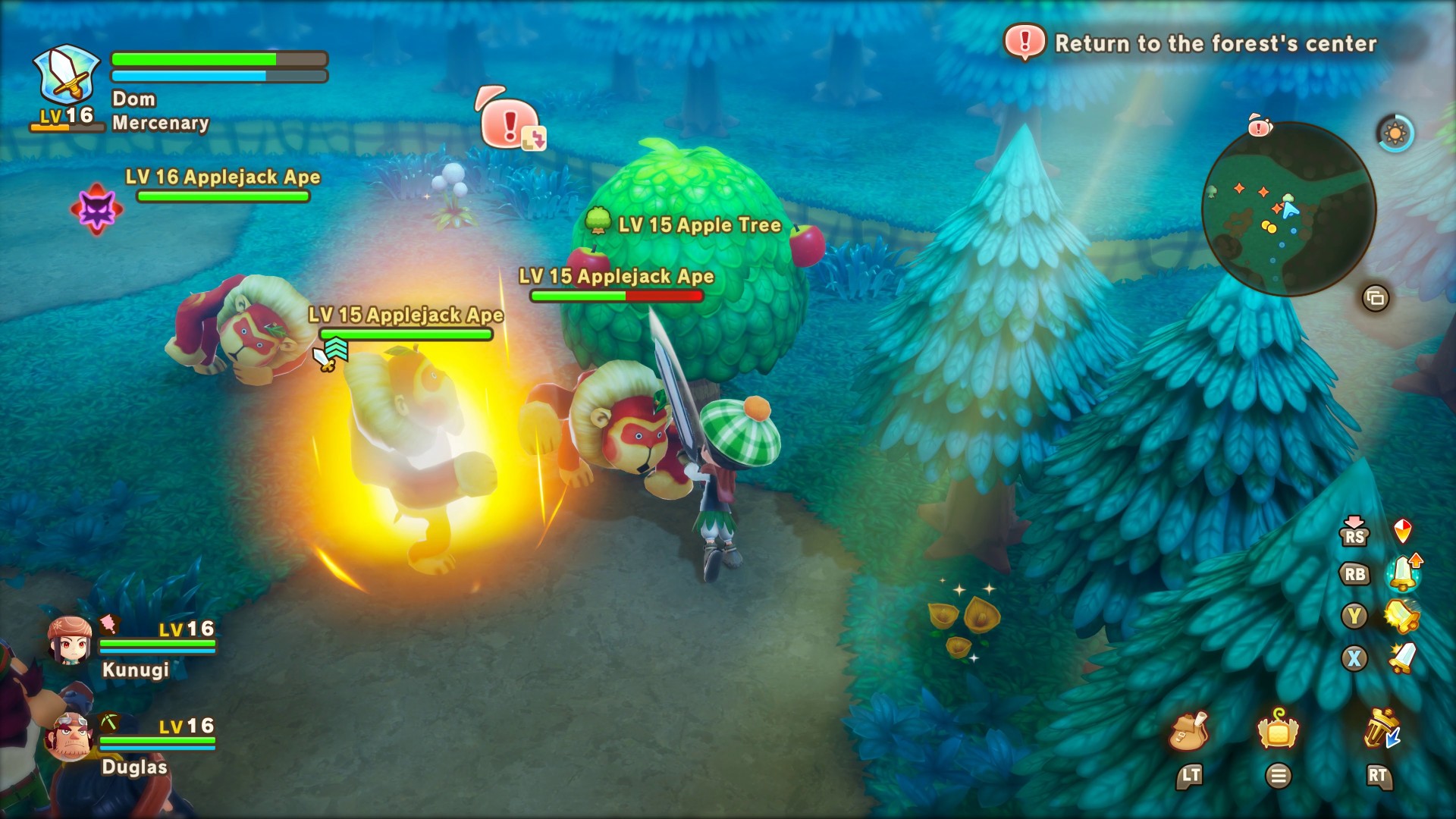
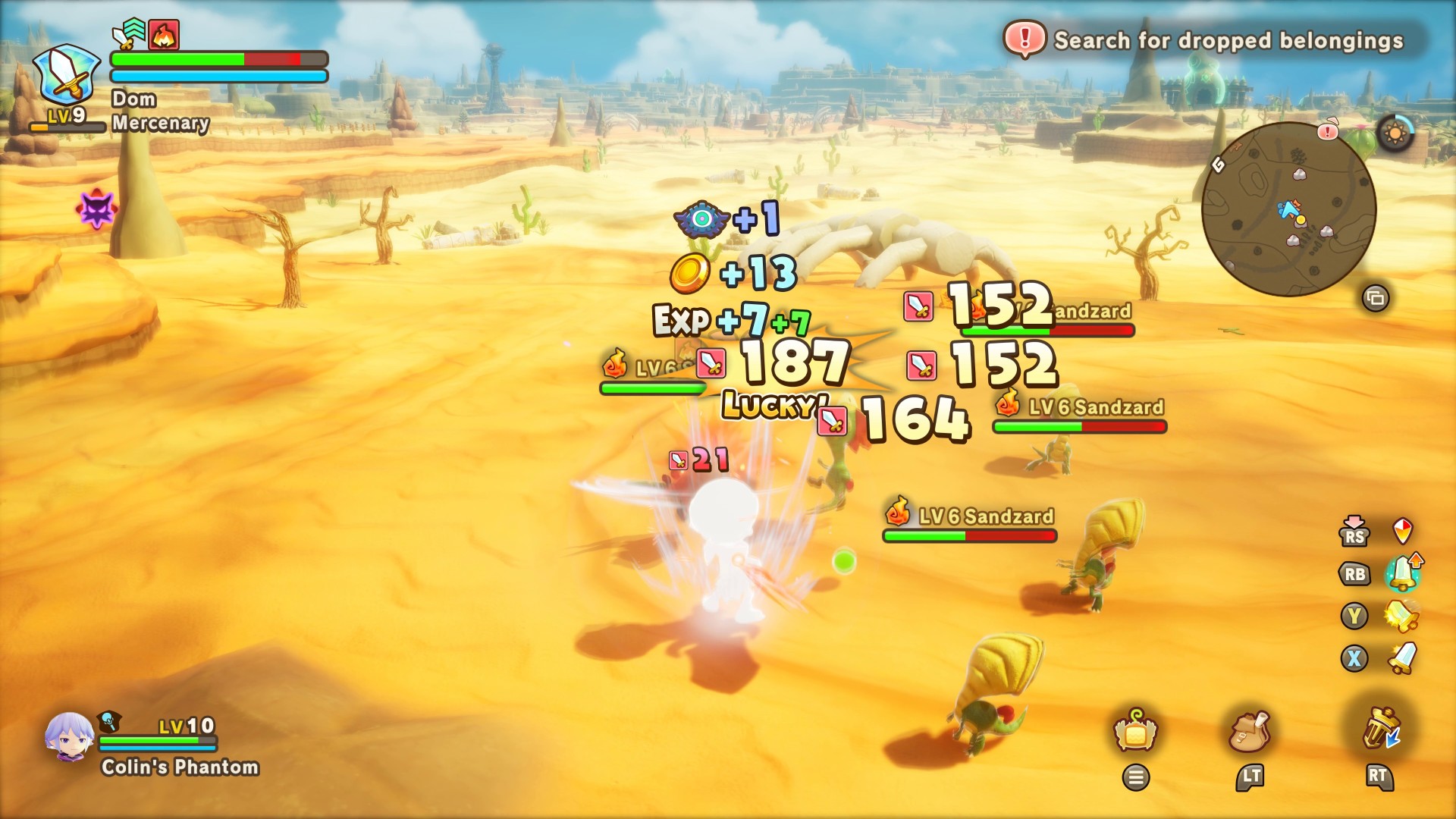
Despite offering four distinct combat-focused Lives, Fantasy Life i: The Girl Who Steals Time keeps its combat system intentionally simple. While technically an RPG, the game doesn’t centre itself around combat, and it shows through aiming for a broad RPG appeal. Fighting here is straightforward, easy to pick up, and clearly designed to be accessible to a wide audience. Each combat Life comes with a light and heavy attack, a basic combo or two, a dodge roll, and a special move or block mechanic depending on the class. It often boils down to a button-mashing affair, where most encounters can be won by brute-forcing your way through without much strategy or concern for your health bar.
That said, difficulty can spike if you’re under-levelled, as stronger enemies can cut your health down in just a few hits. Dodging is fast and spammable, but in chaotic fights when surrounded it’s not always enough to escape damage unscathed. Ranged and melee combat feel quite similar due to their similar button combinations and animations. Ranged Lives, like Hunter, trade slower attacks for safer distance but falter when enemies close in, while melee Lives feel faster but riskier. Added in are status elements, such as poison or burned, but they never really feel needed, not something like Shin Megami Tensei series where in those games its almost a requirement to understand and use them to beat it. It’s stripped back and kept basic, and this simplicity ensures accessibility for all players but may lack depth for some.
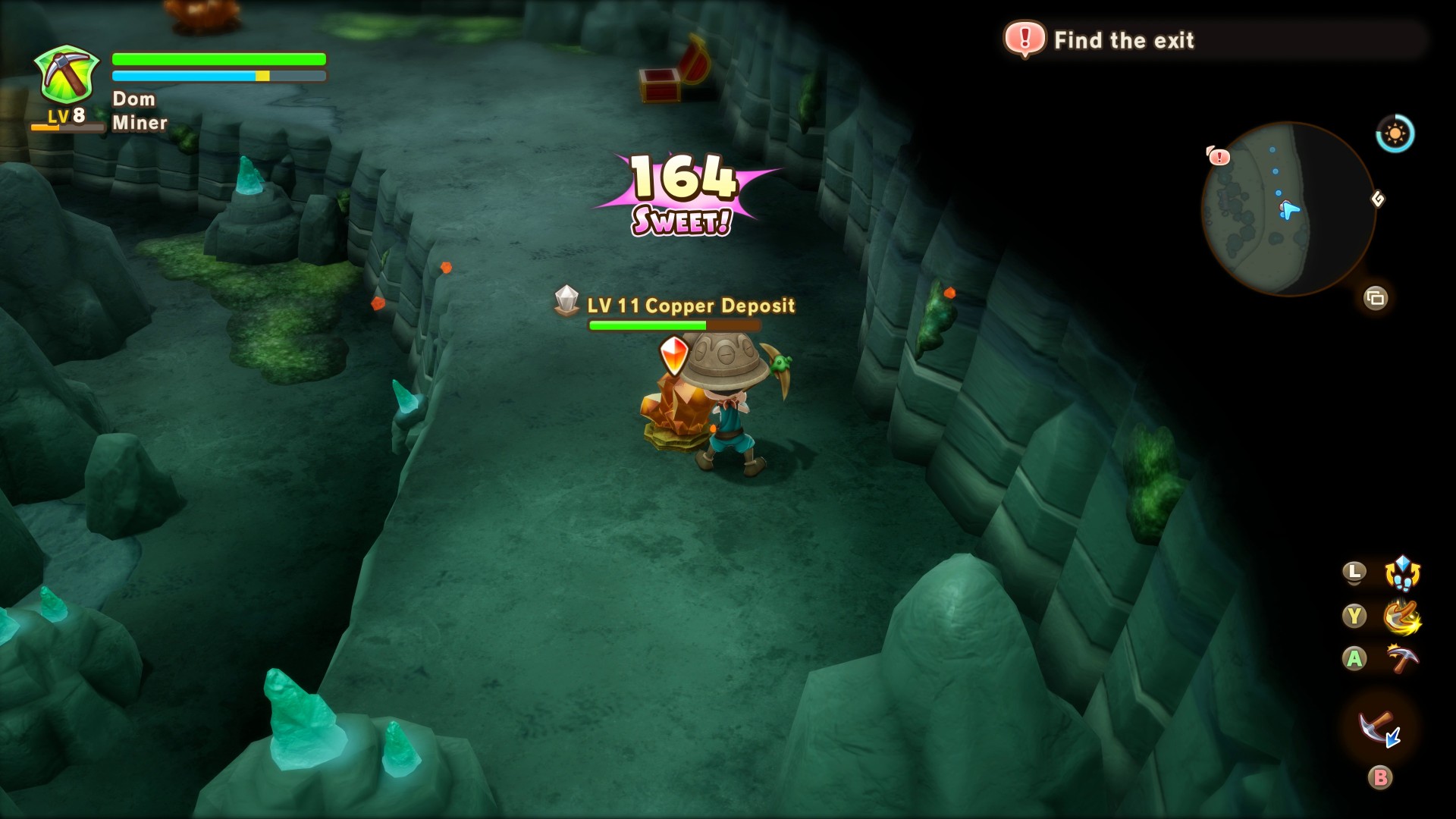
The other two categories of Lives (Gathering and Crafting) are more interconnected with each other. You will often gather materials and then use them to craft. Thanks to the game’s context-sensitive actions, switching between them is never frustrating or awkward. For example, when approaching a vein of ore, your character will automatically switch to the Miner Life, allowing you to start mining right away. Gathering typically involves light or strong actions, with each consuming a different amount of strength from a shared strength bar. Run out of strength and you won’t be able to perform heavy actions until it regenerates or you use a potion to restore it. This system applies across all Lives, whether you’re chopping trees, mining ore, or battling monsters, this strength management is key.
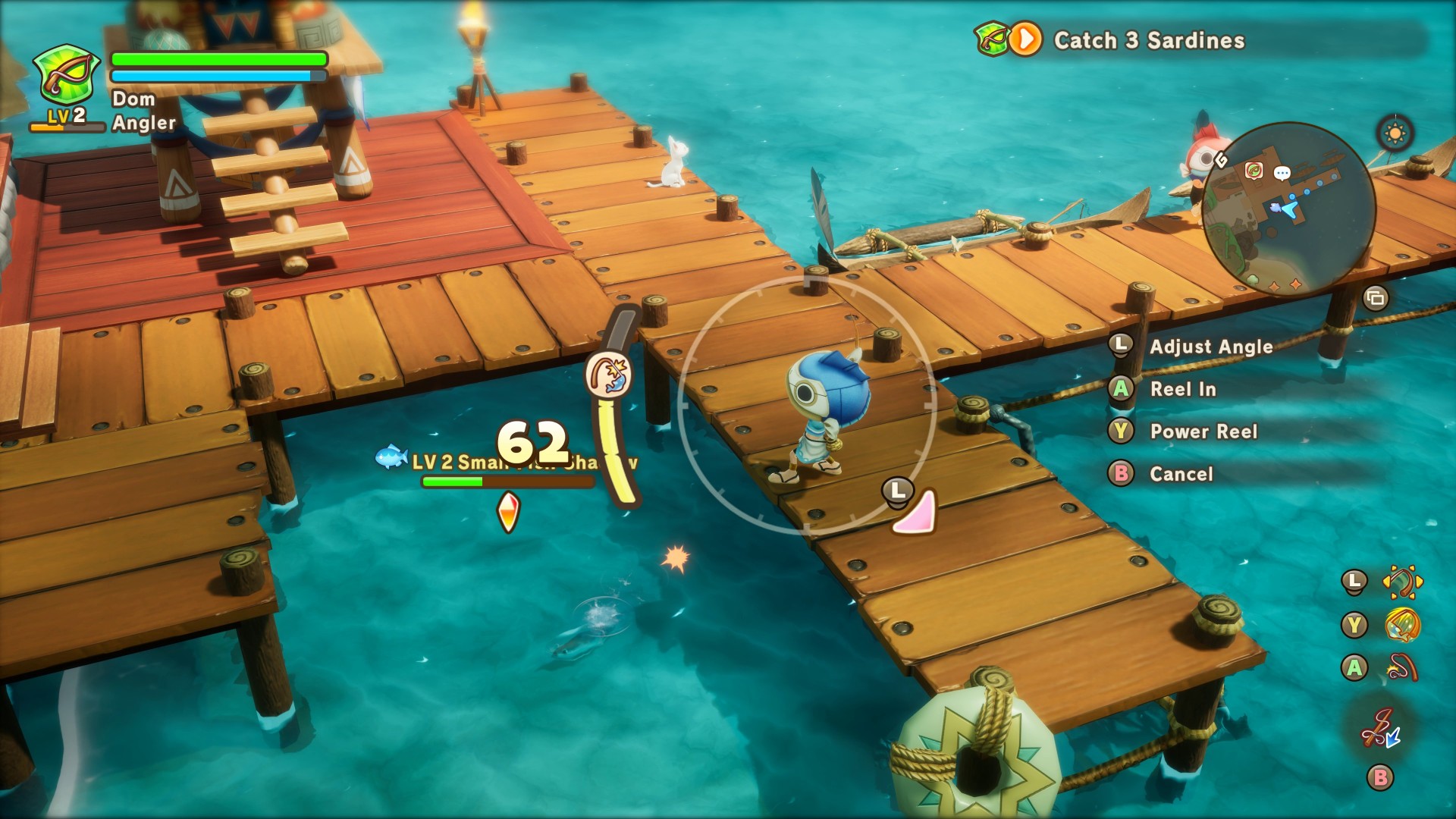
Each Gathering Life features a small mini-game. Fishing arguably has the most engaging one, involving a rotating wheel where you pull the analogue stick in the right direction to wear down the fish’s stamina while managing your own. Other Gathering Lives, like Woodcutter or Angler, involve rotating around the tree, ore, or giant vegetable to find weak spots while hitting to see if it is there, helping you collect materials faster before your strength bar depletes.
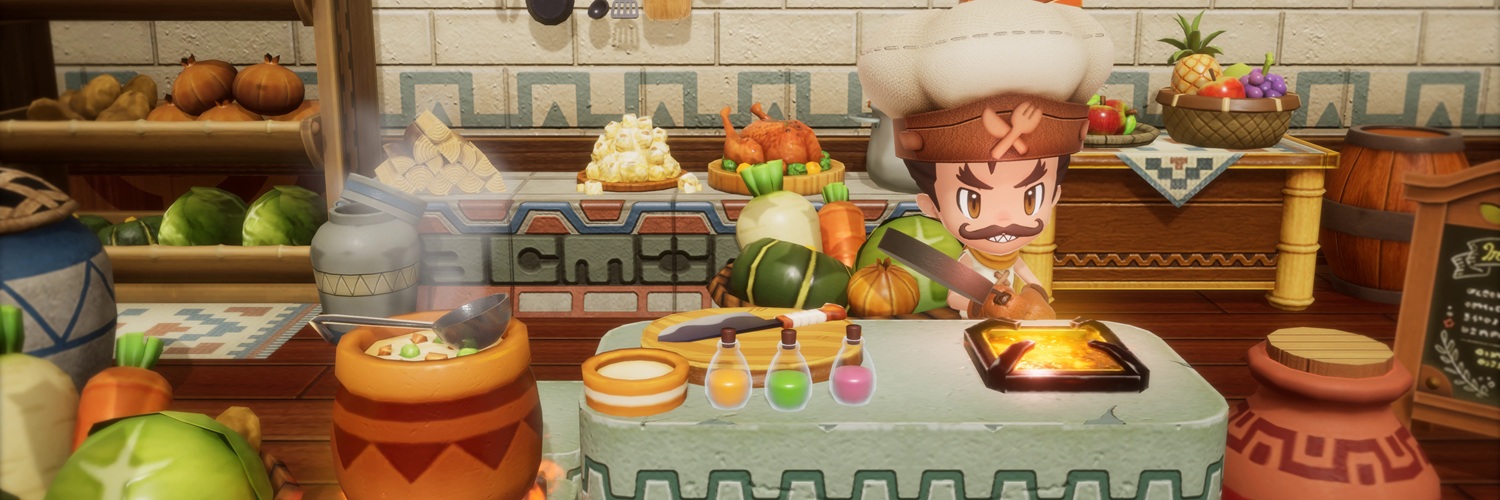
Crafting, meanwhile, uses recipes learned on your adventure, brought to life at workbenches through a Cooking Mama-style mini-game. You press, tap, hold, or rotate the stick to complete items, aiming for 100% before turns run out. Better gear and higher Life skills increase your turns and boost per-action percentages, with faster inputs earning higher ratings for quicker completion. Whether fishing or forging as a Blacksmith, these Lives are delightfully laid-back, offering a cosy break from the story progression. If this becomes tiresome for a bit, mainly due to the higher demand for higher quality requests requiring more materials, which can make the grind at times drawn-out, then a lot of them can be purchased for money from the various stores, which can cut out some of the production time to craft them in turn for spending some of that hard earned coin.
Fantasy Life i: The Girl Who Steals Time shines in its non-story activities, encouraging players to explore far beyond its 20+ hour main quest. Rushing the story misses the game’s true charm: its amusing extracurricular activities. The game spans three major areas, each with unique progression. Ginormosia, a vast open-world continent, is revealed by activating eyeball towers, like Assassin’s Creed’s towers that reveals the area and its content. The Past offers islands, such as the Capital of Mysteria, Eternia Village, Tropica Isles, and Swolean Island, which are tied to story quests and will bring with them unique materials. The Present features Base Camp and The Depths.
Each area in Fantasy Life i: The Girl Who Steals Time offers its own elements. The Present has the base camp that becomes a fully customisable town. Starting with a blank plot of land, you can build houses to accommodate friends you recruit through story and side quests, many of whom can join your four-member party. Using evolving crafting materials, you’ll decorate the area with walls, furniture, bridges, farmland, and cosy touches like campfires. Beneath it all lies the Depths, a dungeon that expands as the story unfolds and your Lives grow stronger. It’s packed with enemies, rare materials, and environmental puzzles that tie directly into your Life skills, making it a rewarding trial.
The Past serves as the narrative backbone of Fantasy Life i: The Girl Who Steals Time, where most of the main story unfolds across a series of islands that gradually unlock as you progress. Each island features fixed towns, dungeons, and a variety of NPCs offering quests that promote the use of Crafting and Gathering Lives. Unlike the sandbox-style freedom of the Present, the Past emphasizes structured adventuring and questing, making it the heart of the game’s story-driven experience.
Ginormosia is a sprawling continent made up of 15 distinct regions, and intriguingly, it’s largely untouched by the main story. That leaves exploration entirely in the player’s hands. Scattered across the land are quirky landmarks, hidden surprises, and mysterious pedestals bearing rare crafting recipes. You’ll also encounter shrines, which offer self-contained challenges tied to various Lives. These are somewhat reminiscent of shrines in The Legend of Zelda: Breath of the Wild, though more linear and less open-ended in their solutions. Exploration is richly rewarded. You’ll uncover secrets, meet Strangelings (cursed beings that, once rescued, join your camp as companions), uncover bits of lore, and even scale up the difficulty of regions by earning Area Points through gathering, fighting, and completing tasks. Doing this can raise the region’s rank which makes enemies tougher, but also increases the rewards.
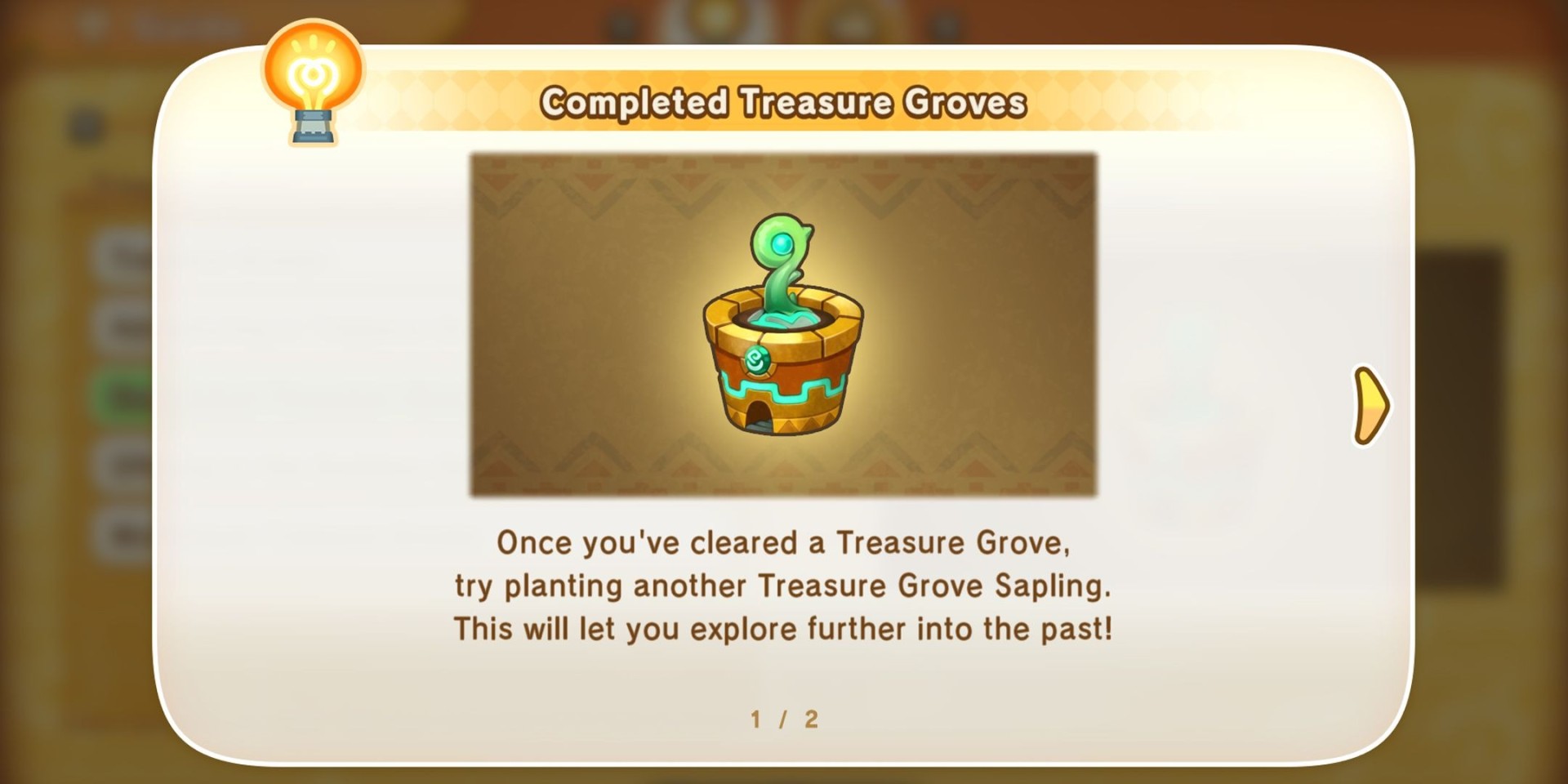
There is also a mode linked to the Mimics in Ginormosia that give Treasure Saplings that needs to be planted in your farm and then spawns into a its own crazy dungeon side-quest. Once grown, these saplings open portals to procedurally generated dungeon quests. Each dungeon features a grid-based, descending map with each grid representing a challenge based on a specific Life. As you go deeper, the difficulty ramps up significantly. The deeper you descend, the further back in time you go, offering a great challenge for post story content. This game does well in giving players a wealth of things to do after the credits roll. Whether it’s gaining XP to master Lives, exploring regions, tackling dungeons, or building up your town. These challenges and tasks can easily add 100+ hours of engaging content, making the game a rewarding experience for completionists.
There is also a 2 to 4 player multiplayer mode, which lets you team up with friends to explore, gather, and tackle side activities together. While I didn’t spend much time in multiplayer myself, it seems designed more as a fun way to take a break from the story or post-game content rather than being a core focus. Multiplayer allows players to venture into Ginormosia, dive into treasure sapling dungeons, or share materials and resources with each other. However, it can feel a bit like an afterthought, more of a casual cooperative experience rather than a fully integrated part of the game’s main narrative or progression. One notable limitation is the bizarre 30 or 60-minute time limit, depending on whether you’re staying on the Island or exploring Ginormosia. Once that time is up, players are automatically returned to their own world. On PC, a mod is available that removes these time restrictions but obviously with a anti cheat involved with the game, I’m not sure this is a safe way to remove the time limit.
Playing Fantasy Life i: The Girl Who Steals Time on PC, I can confidently say the system requirements are quite modest. Despite being built on Unreal Engine 5, the game runs beautifully with no stuttering or performance issues. This is likely due to its stylised, cartoon visuals, which prioritise charm and colour over realistic, high textured detail. The bright, chibi-inspired art direction gives the game a friendly, casual look, reminiscent of Nintendo titles. While the game doesn’t boast ultra-detailed textures or photorealistic environments, the image quality is clean and sharp, and the colours stand out especially on a 4K OLED monitor. On my high-end setup (AMD 7800X3D and NVIDIA RTX 5090), the game reached 240 FPS at max settings at 4k. However, due to the modest requirements, the game can run on older hardware like a GTX 1070 and still run well at 1080p, making it accessible for a wide range of PC users.
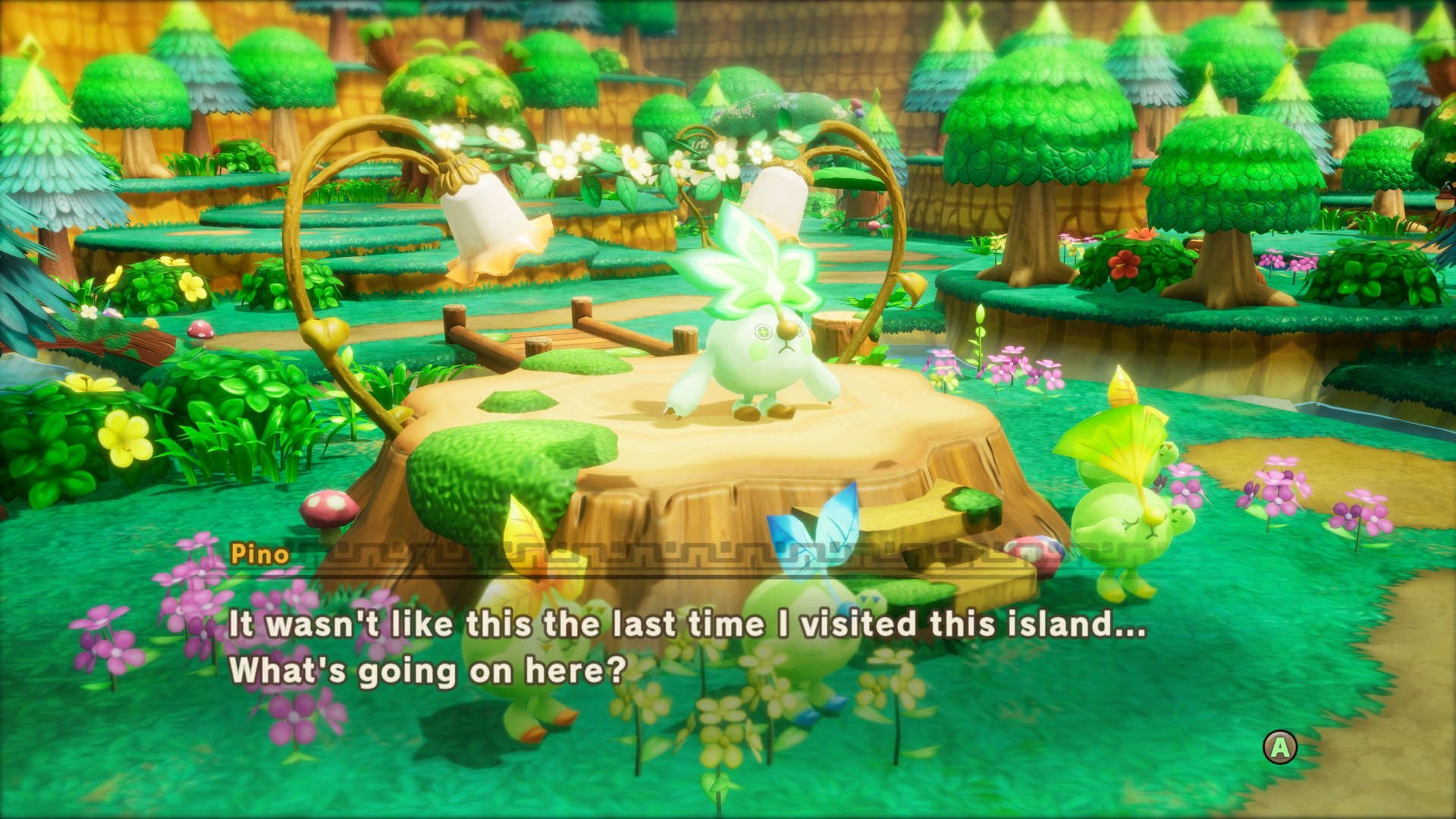
One thing I did think it could do with is voice acting, as there is next to none in the game, with very limited sound clips from some characters this is mainly a silent NPC cast. Also cutscenes appear to be capped at 60 FPS. These occur frequently during story sequences involving camera pans and dialogue, but gameplay performance immediately returns to higher frame rates afterward. Since these scenes are non-interactive, the cap doesn’t detract from the overall experience. Overall, Unreal Engine 5 helps elevate the game’s already cartoon art style, delivering a polished, fantasy world that performs beautifully on PC. Whether you have a modern powerhouse or older hardware, this game offers a smooth and visually delightful experience. This also makes Fantasy Life i: The Girl Who Steals Time an excellent choice for Valve’s Steam Deck or other PC handhelds. This is probably helped by the fact the game also has to run on Nintendo Switch hardware. Its modest requirements translate well to smaller screens, ensuring the experience remains intact on the go. It’s a perfect fit for both cosy at-home sessions and on-the-go adventures, a true win-win for people who want to take their fantasy life on the road.
Fantasy Life i: The Girl Who Steals Time is a delightful slow-life RPG that is best when you embrace its structure and varied Lives system. It’s less about telling a gripping story and more about letting players take part in the cosy life sim. With dozens of activities, systems that feed into each other, fun crafting and gathering loops, and a sprawling post-game full of secrets and scaling challenges, it offers tremendous value. While the combat and multiplayer are more surface-level, and some design quirks (like time-limited co-op) may leave certain players wanting more, its cheerful tone, flexibility, and performance make it a rewarding escape into a cosy, fantastical world. If you’re after a relaxing but deep time sink, Fantasy Life i: The Girl Who Steals Time more than earns your attention and is a strong recommendation for fans of relaxing RPGs or life sims, as it may just steal your free time.