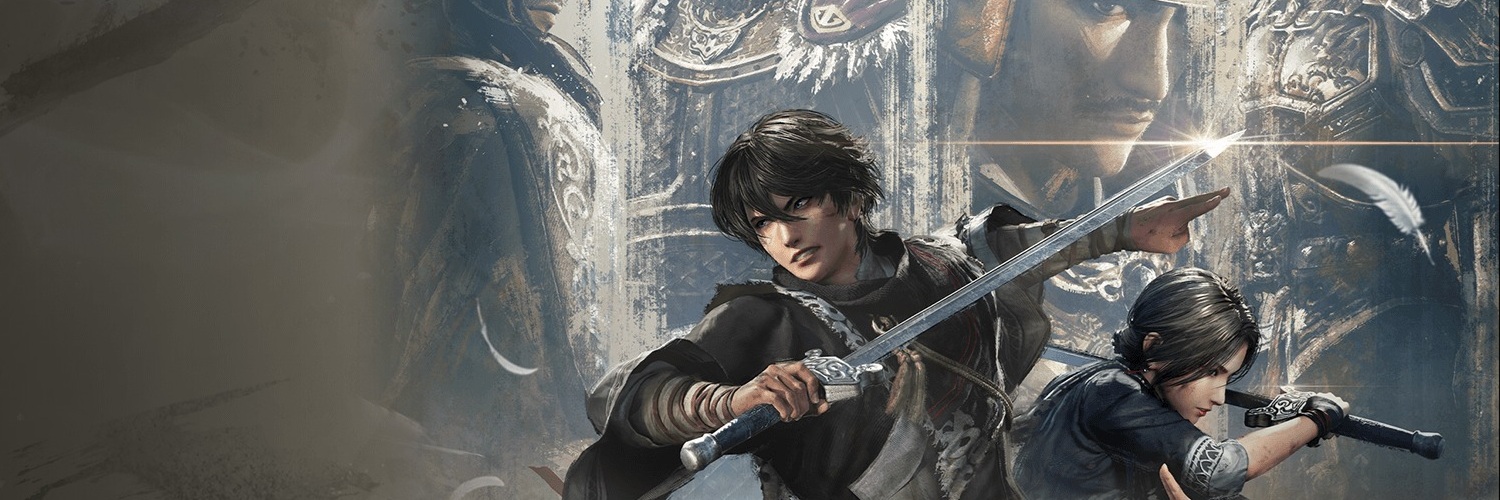
Dynasty Warriors: Origins Visions of Four Heroes PC Review
It has been a year since Dynasty Warriors: Origins arrived on PC, PS5, and Xbox Series X/S, shaking up the formula for a series that has been running for nearly 30 years. Well, that’s more like 26 years if you discard the very first entry, a game which was a 1v1 fighter rather than the massive one vs thousands action we’ve come to expect. Last year, I praised how Dynasty Warriors: Origins laid a solid foundation for the franchise’s future, delivering the best gameplay and visuals in series history. It used the perspective of a brand-new, original character to dig deeper into the lore, offering a more flexible approach to storytelling. Now, the Visions of Four Heroes DLC builds directly on that idea, shifting the focus towards four heroes who are a fundamental part of the Three Kingdoms story.
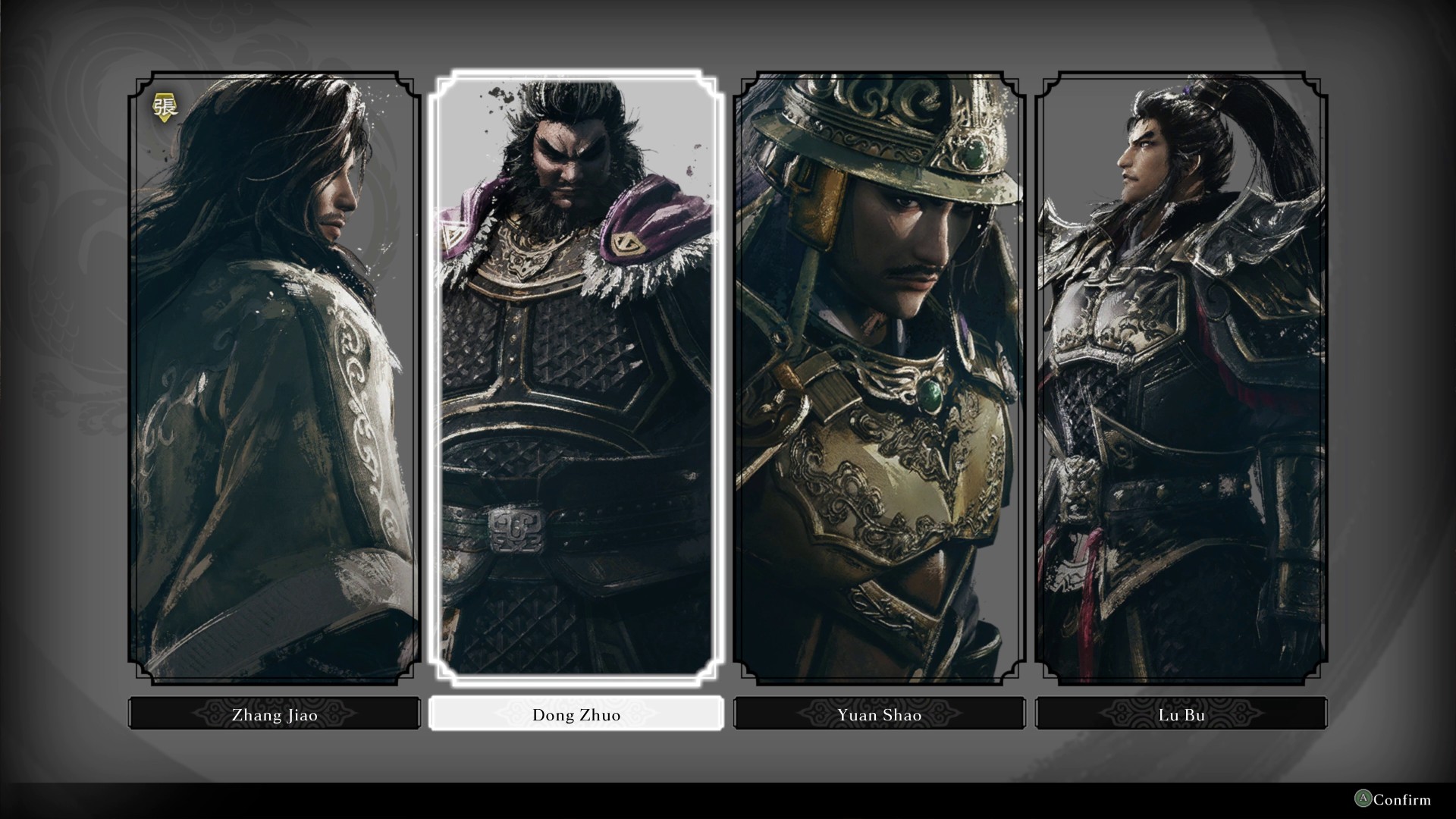
Visions of Four Heroes is an expansion DLC that asks a simple question; what if some of the most iconic figures of the Three Kingdoms, figures traditionally positioned as enemies or antagonistic forces within the Three Kingdoms story, had reached their full potential? It introduces four self-contained story campaigns, lasting roughly a dozen hours in total, which become available once players reach Chapter 2 of the base game. These stories focus on four well known warriors: Zhang Jiao, Dong Zhuo, Yuan Shao, and the one warrior players are famously warned not to pursue, Lu Bu. Unlike the main game’s branching narrative paths, these campaigns are strictly linear, following a straightforward structure of completing a battle, watching the story unfold, and moving on to the next encounter until each warrior’s tale reaches its finale.
Players once again take on the role of Ziluan, the amnesiac Guardian of Peace protagonist from the main game, who now finds himself in the position of deciding which individual he believes may ultimately bring peace to the warring states of China. His female friend Zhuhe, who is also a member of the Guardians of Peace, is now available as a companion character. Just like previously, companions can be brought into battle and, once a dedicated companion meter has charged, players are able to temporarily take control of them for a limited time. Alongside Zhuhe, Diaochan and Fei Wei make up the trio of new companion characters introduced with this DLC that appear in their relevant character chapters.
I found the story generally interesting in seeing where the developers were taking these what-if scenarios, as all four heroes meet their end in some form or another before they were truly able to fulfil their ambitions within the broader Three Kingdoms narrative. This allows the team to write scenarios in how they interpret the character’s personality and ambition.
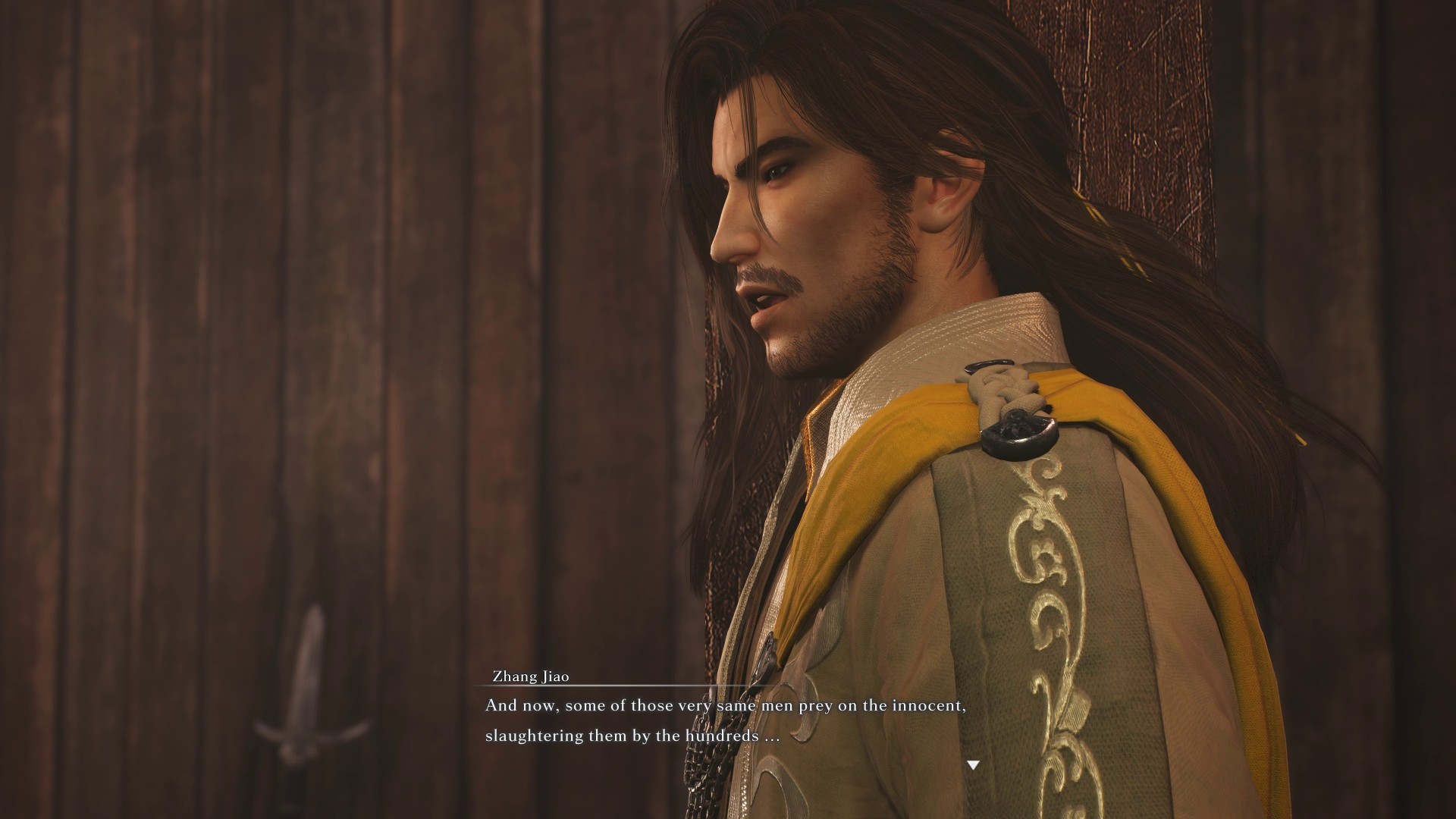
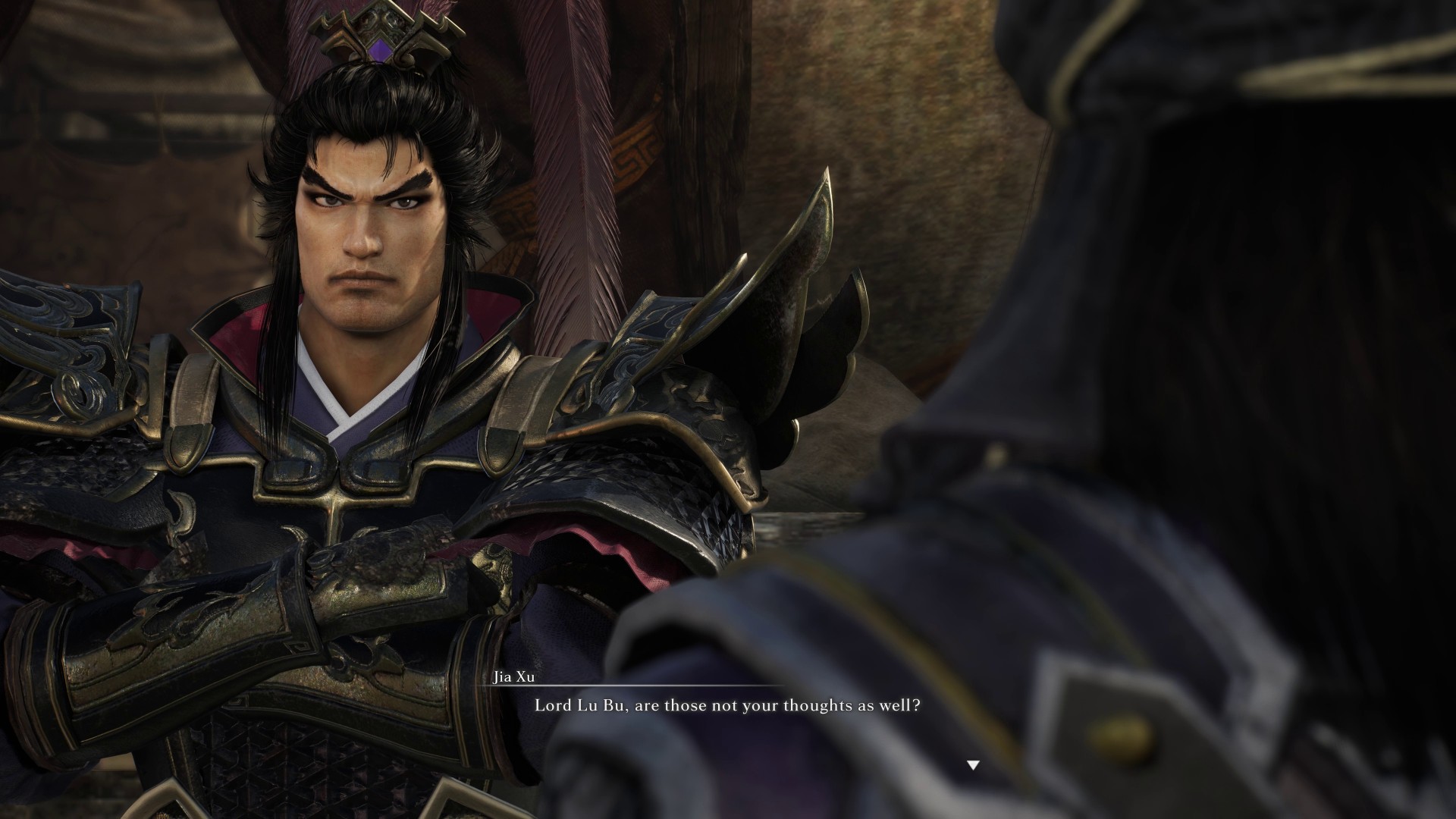
For example, the first story focuses on Zhang Jiao, the leader of the Yellow Turbans, who is defeated early on in Dynasty Warriors: Origins. In the DLC, however, players come to his aid during that same battle, now played from Zhang Jiao’s perspective. Initially unsure why he has been helped, Zhang Jiao gains a renewed commitment to reforming the Yellow Turbans, coming across as far less fanatical than the version presented in the original story. As his campaign progresses, he begins to gain a clearer understanding of his role and how his vision could be used to bring about peace, while also tackling internal conflicts and splits within the Yellow Turban army. Another, Dong Zhuo, his what if scenario positions Dong Zhuo as a ruler attempting to impose order through absolute authority. While his methods remain brutal, the DLC gives greater insight into his belief that fear and control are necessary to stabilise a fractured empire. It is wonderful to see this side to the characters that we never do within the mainline series. It makes me wonder if any more DLC or a sequel will continue with this what-if trend because it works.
The freedom of the open world map from the main game is largely absent in the DLC. Instead, players move along short segments of the map after leaving from the new Inn hub. In this Inn, players can pick up challenges, acquire new weapons, purchase items, and apply upgrades to the Ziluan.
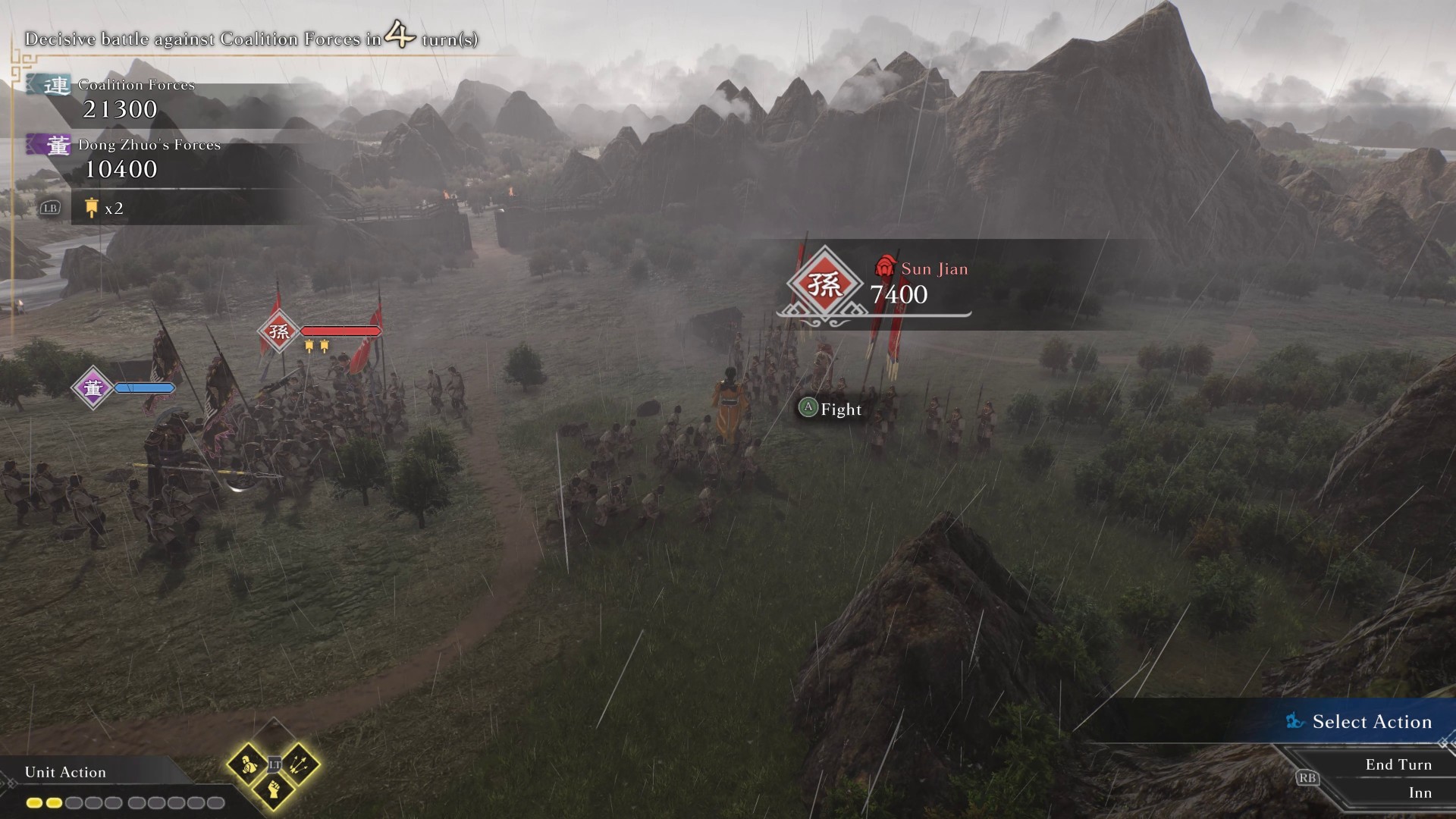
Between major story battles is a new feature called Strategic Battles. These turn-base movements take place on a small section of the map, where players move to enemy units and engage in skirmishes with specific objectives, such as defeating a certain number of generals, capturing bases, or wiping out hundreds of troops. The goal is to reduce the size of the enemy force before the main encounter, making the final battle of that segment more manageable. While not particularly complex, Strategic Battles add variety and break up the flow of large story battles. They feel like a nice change of pace, but the system lacks the depth to sustain long-term play and would need more development to become a core feature in future games.
Ziluan gains access to two new weapons in the DLC, the bow and the rope dart, bringing the total weapon count from 10 to 12. The bow provides a ranged option that can be mixed with melee combos, letting players pick off enemies and officers from a distance while staying out of direct combat with a click of a button. The rope dart offers mid-range attacks, allowing players to pull enemies in, juggle crowds, and chain combos. Its Musou attack even does a sort of Mortal Kombat Scorpion “get over here” move but wrapped around their neck rather than stabbing them in the chest. Just like the base game, these weapons have their own progression paths and unlockable abilities, and all original weapons receive additional levels in the DLC offering reasons to stick with them. This also means the hero level has been giving an increase to incorporate the new weapon levels.
There is also a new skill tree, dubbed Visionary Might, which uses Visionary Skill Points that are exclusive to the DLC. This tree introduces a selection of new skills to unlock, but these bonuses only apply while taking part in the DLC’s story content, keeping progression separate from the main game.
That is largely it for the new content, aside from the addition of a new Training Ground that provides an area to practice combat and take part in new trials. The rest of the DLC is built on existing elements from the base game. There are no new themed maps, with battles instead taking place on remixed versions of existing locations, featuring changes such as different enemy placements, new weapons, or variations in time of day or weather compared to the original campaign.
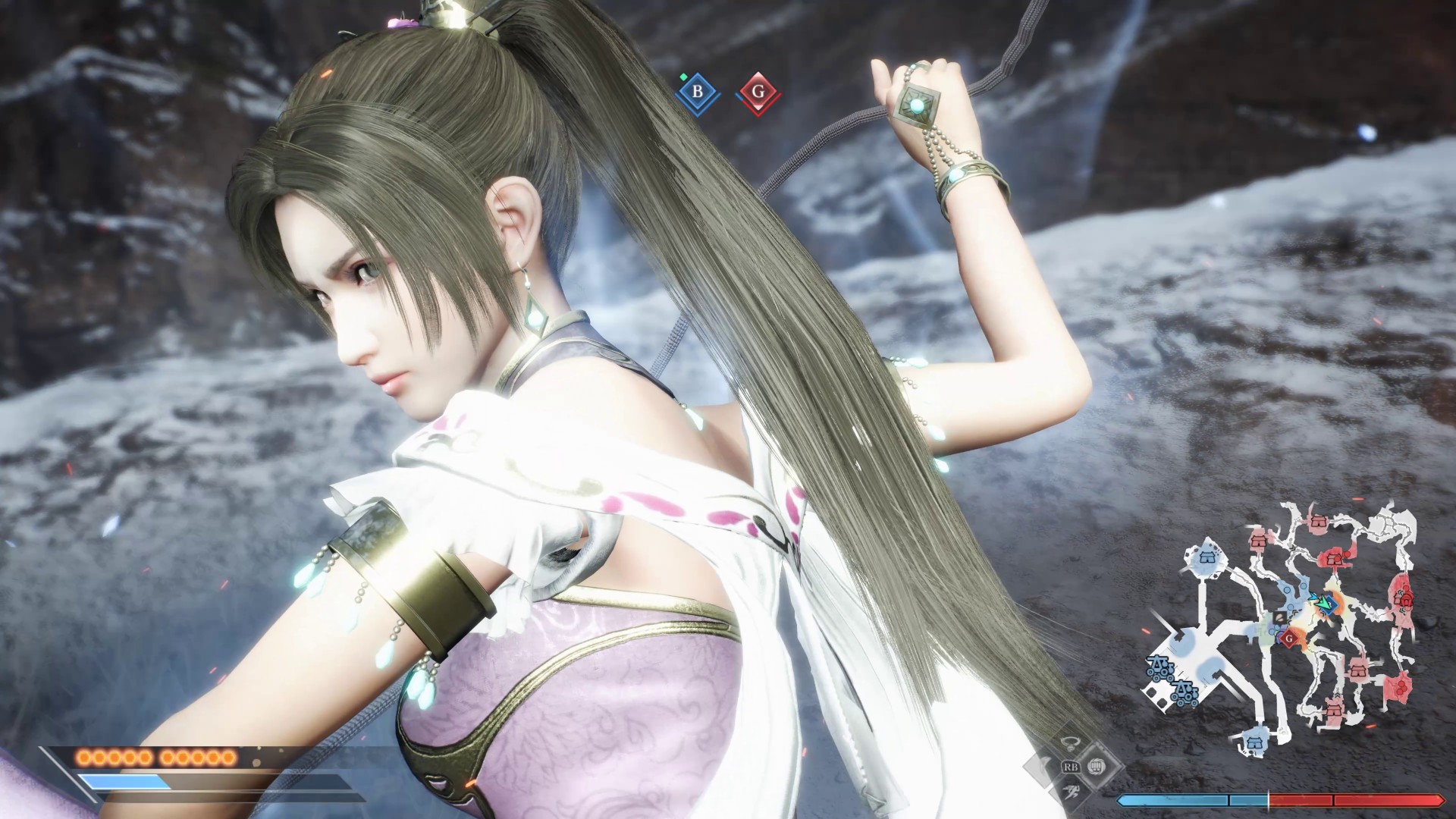
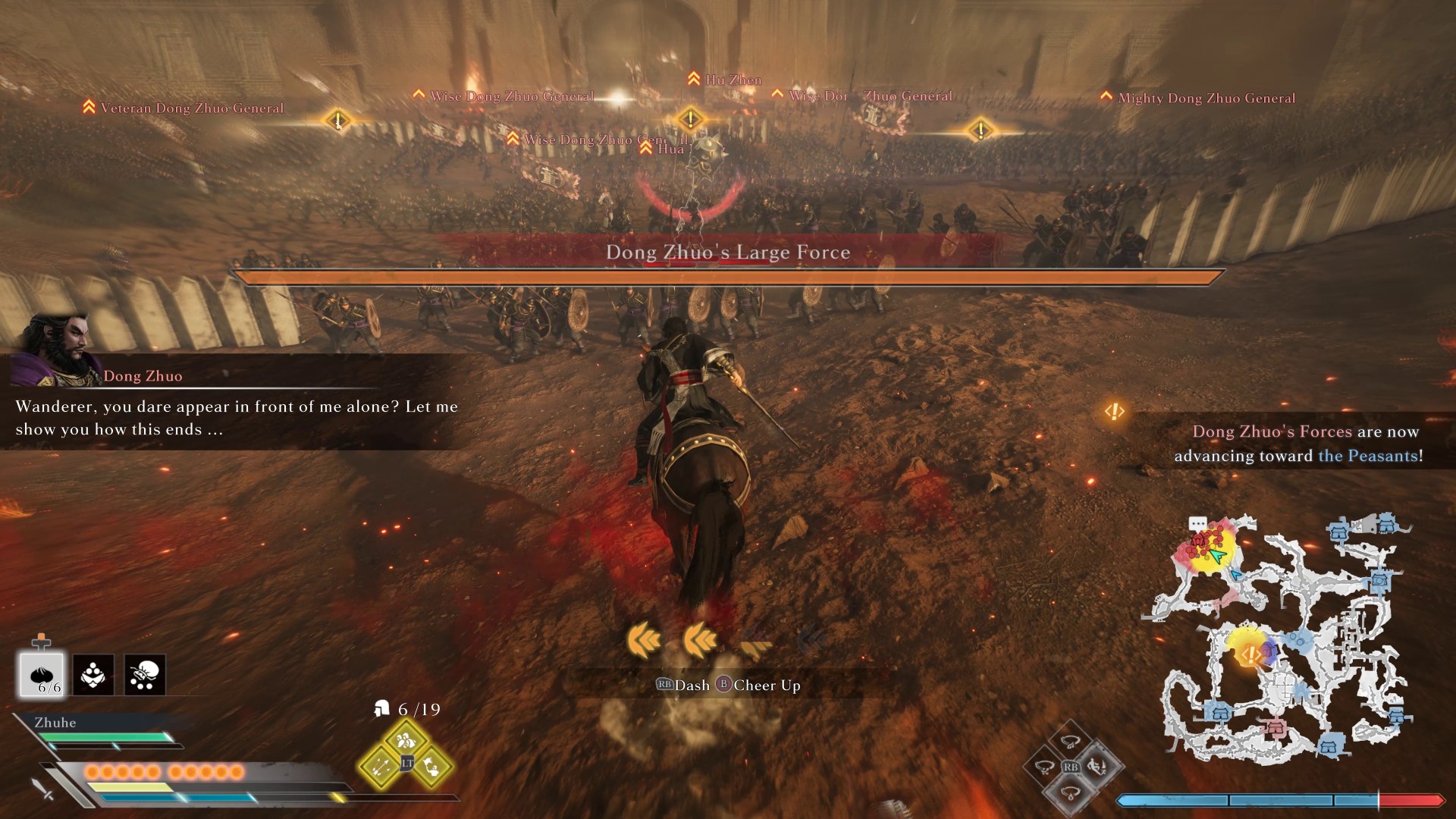
Combat in Visions of Four Heroes remains unchanged from Dynasty Warriors: Origins, which is no bad thing given how solid the core mechanics already are. While the new weapons introduce additional combo strings and playstyles, the overall combat experience is otherwise identical, delivering the same frantic one versus thousands battles that fans of the main game will continue to enjoy. Rather than attempting to alter the formula, the DLC leaves the core gameplay systems exactly as they were.
There is a reasonable argument to be made that the DLC is priced a little on the high side. At £28.99, it comes in at just under 45% the £64.99 asking price of the main game. When considering the length and scope of Dynasty Warriors: Origins alongside what Visions of Four Heroes offers, particularly the number of reused maps versus genuine new additions, the value proposition can feel slightly steep. That said, the quality of the additional story content is consistently high, even if it is disappointing that no new maps were introduced to further expand the battles.
Visions of Four Heroes is very much more of the same, but that is not a criticism when the foundation it builds upon is solid. Dynasty Warriors: Origins laid a strong baseline for the series with its refined combat, improved presentation, and more focused storytelling. This DLC chooses to expand that storytelling, one of the strongpoints of the original game. The additional story content offers deeper insight into familiar figures, while the gameplay remains enjoyable taking down 1000s of soldiers in battle. Although it does little to push the formula forward, it successfully delivers more of what already worked, making it a decent expansion for those who enjoyed the main game.