Capcom Fighting Collection 2 PC Review
As a huge fighting game fan and someone who still plays a lot of these classic beat ‘em ups on Fightcade to this day, Capcom’s recent decsion to start reissuing a lot of these games on modern platforms as part of these collections has been a very welcome one. All the mod cons you’d expect from a modern, brand new fighting game like extensive training features and, of course, rollback netcode have been added to these games to essentially create a really convenient and polished way to play these brilliant titles on the current platform of your choice. Honestly, the Marvel vs Capcom Collection was the stuff of dreams, something I never thought I would see given the tangled web of licensing rights that would need to be figured out in order to make it happen.
This second collection of Capcom fighters is just as off-piste with its game selection as the original one released a few years back, which was largely built around the Darkstalkers series but had some weird (and not always particularly good!) deep cuts like Red Earth and Cyberbots included for good measure. There’s two real jewels in the crown of this collection – Capcom vs SNK 2 and the Power Stone games, neither of which have been available officially in any way for quite some time now – and they are absolutely brilliant to play even here in big 2025.

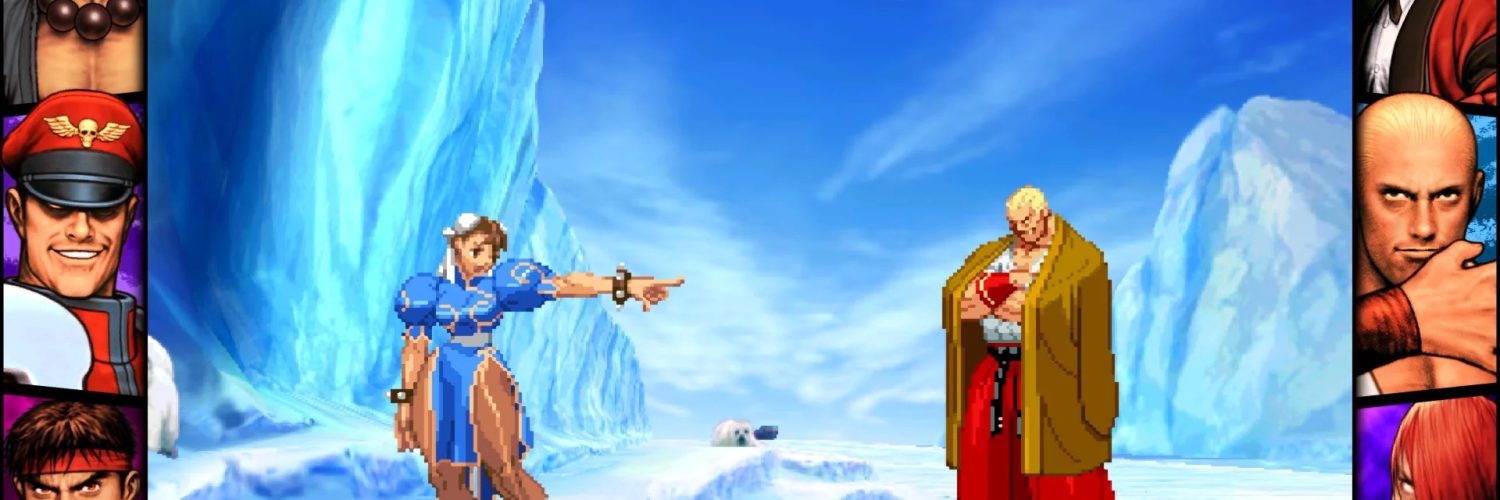
Starting with the Capcom vs SNK games, two titles that seemed miraculous at the time of release. The two titans of 1v1 2D fighting games allowing their characters to finally battle each other in team based combat. Both are fun, highly technical games with a high skill ceiling that really benefit from having modern training modes and the ability to easily play other players with good netcode (although I couldn’t actually get a game during the review period, presumably most other writers are scared of going online and fighting other players). Capcom vs SNK 2 is an incredible game. It has a huge, varied roster and a ratio system that allows to to decide how you want to structure your team – do you take four normal characters, two powered up guys or a single, boss level one into the scrap?
One thing that is a little odd, but won’t really affect the casual player, is that a famous bug in CVS2 – roll cancelling – is turned off during ranked play. This is a bug that was present in the arcade version of the game and became an integral part of competitive play. Essentially, every character has an invincible roll move and if you are extremely quick (it’s very hard to perform!) you can cancel the roll animation during the startup into a special move, which grants the special move the complete invincibilty properties of the roll. Top players can do things like roll cancel E. Honda’s hundred hand slap or Blanka’s Blanka Ball, for instance. Without these tools, it’s a different game, with a different tier list and honestly, I don’t imagine many people other than the truly dedicated will be playing a great deal of ranked CVS2 online play, so it is a bit strange that they decided that now was the time to address this bug.

Both Power Stone games are excellent. They sit somewhere between Smash Bros, a more traditional fighting game and the combat section from underrated PS1 banger The Unholy War, as four players do battle in isometric, interactive arenas full of weapons and, crucially, three power stones that when picked up by one player, gives them the ability to transform their character into a super form and do huge damage to their opponents. This provides a real tactical edge to the combat – do you rush the stones or sit back and try and steal them off other players who do all the dirty work for you? It has a really unique feel and being able to play these games online, with rollback netcode, for the first time ever is a real selling point for this collection in its own right.
There’s a couple of other 3D Dreamcast-era fighting games on this collection – Plasma Sword: Nightmare of Blistein and the Rival School’s sequel Project Justice – with the former being a very strange, unbalanced weapon-based fighter that apparently started life originally as a Star Wars licensed game, whilst the latter is one of Capcom’s better 3D fighting game affairs, with character’s based around high school cliques. Neither really hits the heights of Power Stone or CVS2 for my money, but both are welcome additions to the collection and offer a fair bit of variety, as they’re very different to the other games available.

Finally, rounding things are two 2D fighting games – Street Fighter Alpha 3 Upper and Capcom Fighting Evolution. Alpha 3 Upper is the final arcade version of Alpha 3 and has a few extra characters available but is still lacking in regards to content and further additional characters that were available in the PSP version of the game. It’s Alpha 3, so of course it is a very good fighting game but this one feels like they’ve left the most complete and most interesting version out and Alpha 3 is available already on the Street Fighter collection, albeit it without the rollback netcode found here. Capcom Fighting Evolution, on the other hand, is a bit rubbish. A famously rushed, almost unfinished game released at a time where arcades, fighting games and Capcom in general were in the mud somewhat. It started life as the unreleased Capcom Fighting All-Stars project and was ‘salvaged’ after some developmental struggles into what we have here. It’s a fun selection of Capcom characters from Darkstalkers, Third Strike, Red Earth and the like, but honestly the only really interesting thing about this game is the first appearance of Ingrid, who has gone on to become something of a fan favourite and a strangely important part of the overall Street Fighter universe lore. I imagine she’ll be making her way into Street Fighter 6 in some way in the future.
The only really disappointing thing here is that this collection contains the sequels to Plasma Sword (Star Gladiator here in Europe) and Project Justice (Rival Schools, of course) but not the original games. They were both on PS1 era hardware and this collection really focuses on stuff that was released on the Dreamcast, so perhaps they’re set to find their way onto a future collection. For the sake of completion, I hope they do. Rival Schools’ PS1 port in particular is a very, very good videogame.

Like the other collections Capcom have put out, this game has all of the extra features – art and music galleries, choice of region version of each game and the aforementioned training modes and rollback netcode, available for every game – and honestly, for the hardcore fighting game fan, that’s essential stuff that is well implemented and makes this collection worthy of your attention. It’s not just a bunch of great games collected in one place, but also the best way to play these games outside of getting into the legally grey area of Fightcade, but even then, you’re not getting the art or music galleries, which are really cool features to spend some time looking through. They’ve also increased the resolution of the 3D elements in the Dreamcast games, which apparently they have also patched into the Marvel vs Capcom collection, showing that they’re not just putting these collections out and doing nothing with them.
Although the Marvel vs Capcom collection just about edges this one for the quality of games on offer, Capcom Fighting Collection 2 is a close second place, with the two Power Stone games and CVS2 in particular being excellent fighting games still worth checking out. Capcom are really onto something with these back catalogue reissues as of late and I feel it is something worth supporting, because there’s still plenty more in their archives that would benefit greatly from being part of a collection like this, with all the features you could want from a modern fighting game in one easily accessible package.