Fatal Fury: City Of The Wolves PC Review
On March 16th 2025 my beloved Newcastle United won their first trophy in my lifetime and their first domestic honour in seventy or so years. It was one of the best days of my life. I got extremely drunk, hugged a few strangers and shed a tear. Dan Burn will be a name I remember until my dying day. However, despite all this wonderful, joyous success, there’s a black cloud looming over the whole affair.
You see, a few years ago they were taken over by a consortium backed by the Saudi Arabia public investment fund (PIF, from now on), which is among the biggest sovereign wealth funds on the planet. This is an investment fund that invests in everything from Softbank to Uber to Heathrow bloody Airport and, if we’re talking about videogames specifically here, Capcom, Nexon, EA, Nintendo and, finally starting to make some kind of point here, SNK. Saudi Arabia is a country that has what could be politely described as a sketchy human rights record and this acquisition of Newcastle United has been seen as an attempt at ‘Sportswashing’, essentially buying positive PR by pumping in a bunch of money and, fingers crossed, success into a sport or team.
It’s certainly forced a few fans of Eddie Howe’s mighty Mags to make a few moral decisions – you can’t choose your owners but you can choose how you’re willing to support them – and this whole episode has left me somewhat well placed to review this unexpected follow-up to one of the greatest fighting games of all-time, Garou: Mark Of The Wolves.
A few years ago, 96% of SNK was acquired by the PIF and, despite this majority ownership stake, King of the Fighters producer and designer Yasuyuki Oda declared in an interview with VGC that this “doesn’t affect us in any way”. So, for a minute, let’s park all of this and leave the politics to one side and concentrate on the game. We’ll come back to it.
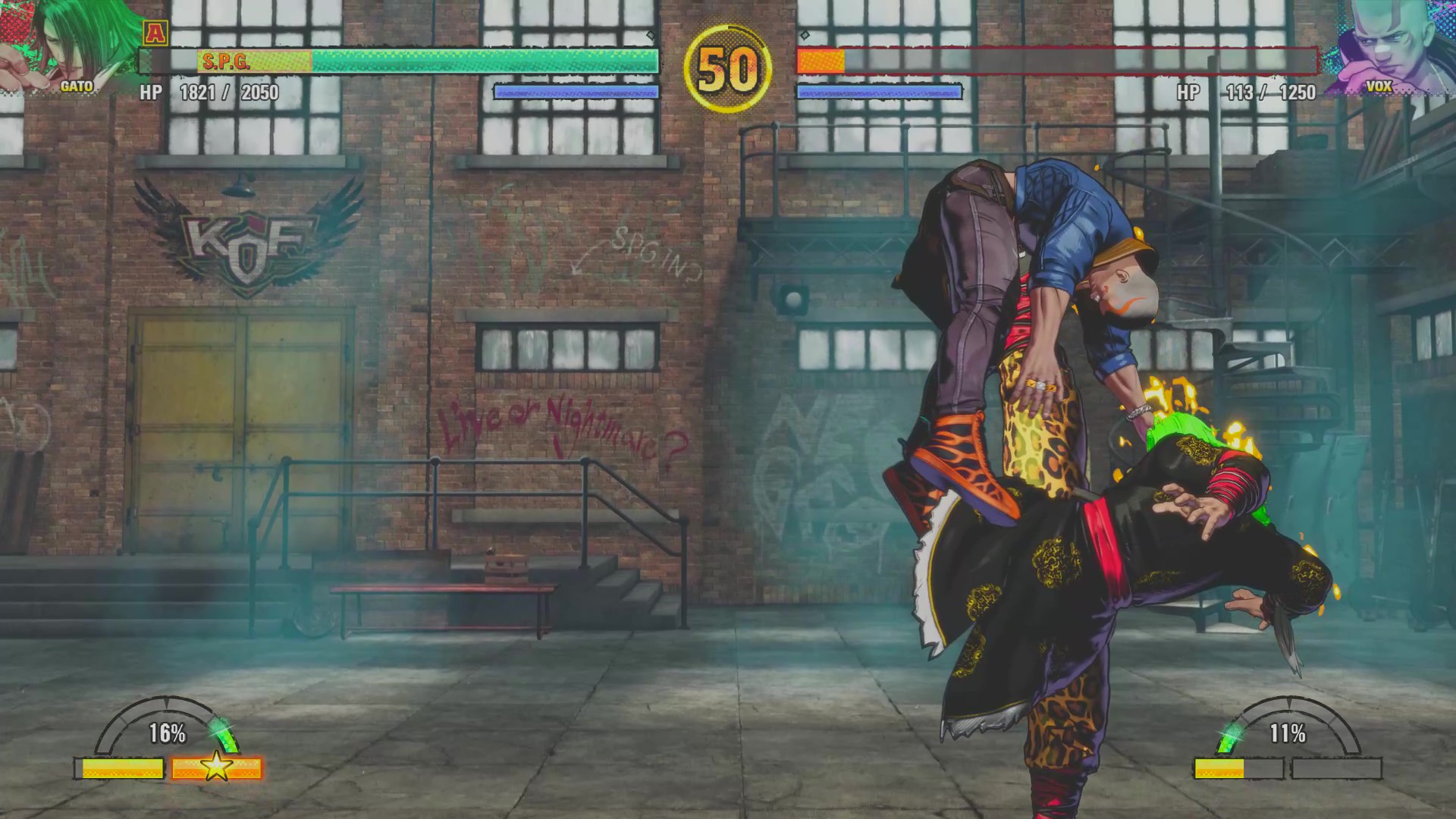
City Of The Wolves builds and expands on the universal combat mechanics that were established in the original game way back in 1999 – ‘Just Defend’, Brakes/Feints and the T.O.P. system, now called S.P.G. These make up the base of the combat and are universal to all characters. Just Defend is a way of blocking an attack that requires timing, pressing away from your opponent as the attack hits rather than just holding it, and allows you to counter attack much quicker that what you can do from a standard block, allowing you to punish some attacks you can’t if you just block them like you would in any other fighting game. Of course, there’s an element of risk, because if you get the timing wrong, you’re getting hit and potentially eating a big, damaging combo.
Brakes (yes, that’s how they’re spelt here, in case you’re wondering) are a little more complex. Essentially, some special moves can be ‘broken’, stopping the full animation of the move and allowing you to continue a combo. A regular example you’ll see is in characters who have a Dragon Punch style attack – you input the brake command as the first hit connects and instead of flying upwards with your opponent, you’ll stay grounded whilst they get launched. They’re an essential part of the combo structure and learning what moves can be broken and when exactly during the move this happens is crucial.
Feints are another staple of Mark of the Wolves present in this sequel and are as expected, allowing you to fake the start up animation of a special move and force your opponent into a move or even make them sit still so you can continue applying pressure to them. Some of your normal attacks can be ‘feint cancelled’, allowing you to stick a quick feint in during the end of their animation which will often let you combo two attacks together that otherwise would work without the feint in between them.
S.P.G. is something of a tactical choice. When you’re in the S.P.G. state, you gain access to the REV blow, an armoured attack that will blast straight through anything your opponent throws at you and can swing the match in your favour. You can choose whether you’d like to enter the S.P.G. state during the start, middle of final third of your health bar, dictating whether you’d like to come out swinging, dictate the pace during the middle of the match or save your backside when you’re close to a loss.
On top of those systems that defined the original game, City of the Wolves also adds the REV system, which is, in principal, at least, similar to the DRIVE system that underpins the combat in Street Fighter 6, in that it allows you access to some unique offensive options from the start of the round, rather than having to build up meter in order to use them, which is the case in older fighting games. It leads for a more exciting, varied game and, much like Street Fighter 6 has a similar effect here.
You start each round with an empty REV meter and by performing certain actions, you begin to fill it. The aforementioned REV blows add a little to the meter each time you use them. Certain special moves can be turned into REV arts versions – essentially Street Fighter’s EX moves – modified version that have more hits, do more damage or even change the properties of the moves entirely so they work differently in combos. You can even cancel from REV arts special move directly into another, making for some meter intensive but highly damaging and spectacular combos, called a REV Accel. Finally, there’s the REV Guard, which you activate by holding a button. It gives you a block that pushes your opponent away from you, extremely useful for dealing with pressure.
If you fill up the REV meter, you go into Overheat, where you can’t use any of your REV abilities and when you block, you risk your opponent breaking your guard which gives them a free attempt at a huge combo. Knowing when to dump all your REV meter to win a match or get a significant life lead but having to deal with a serious disadvantage for a bit afterwards is a huge part of any fight’s strategy.
That’s the key – strategy. City Of The Wolves is an excellent fighting game to play. The core systems are useful at all skill levels and give the game it’s own flavour but are never so overwhelming they detract from each characters own unique styles. They allow for player expression and create that crucial entertaining mindgame, where you feel like you’re playing the player and not the fighting the same match every time you fight a certain character, something that has hit Street Fighter 6 quite hard as the overall meta of the game has been figured out.
Outside of these universal systems, there’s a nice, varied roster of characters that offer a load of different playstyles. Kain and Billy are two examples of characters who can keep their opponent’s away and pester them from afar. Rock and Terry Bogard are the classic protagonist all-rounders. Tizoc is the big man grappler whilst Vox Reaper offers a more hybrid grappling style. There’s a healthy seventeen characters in the base roster, featuring a load of returning characters from the original Mark of the Wolves game, a few SNK game regulars and some newcomers that fit the vibe of the game nicely. Well, most of the newcomers, anyway.
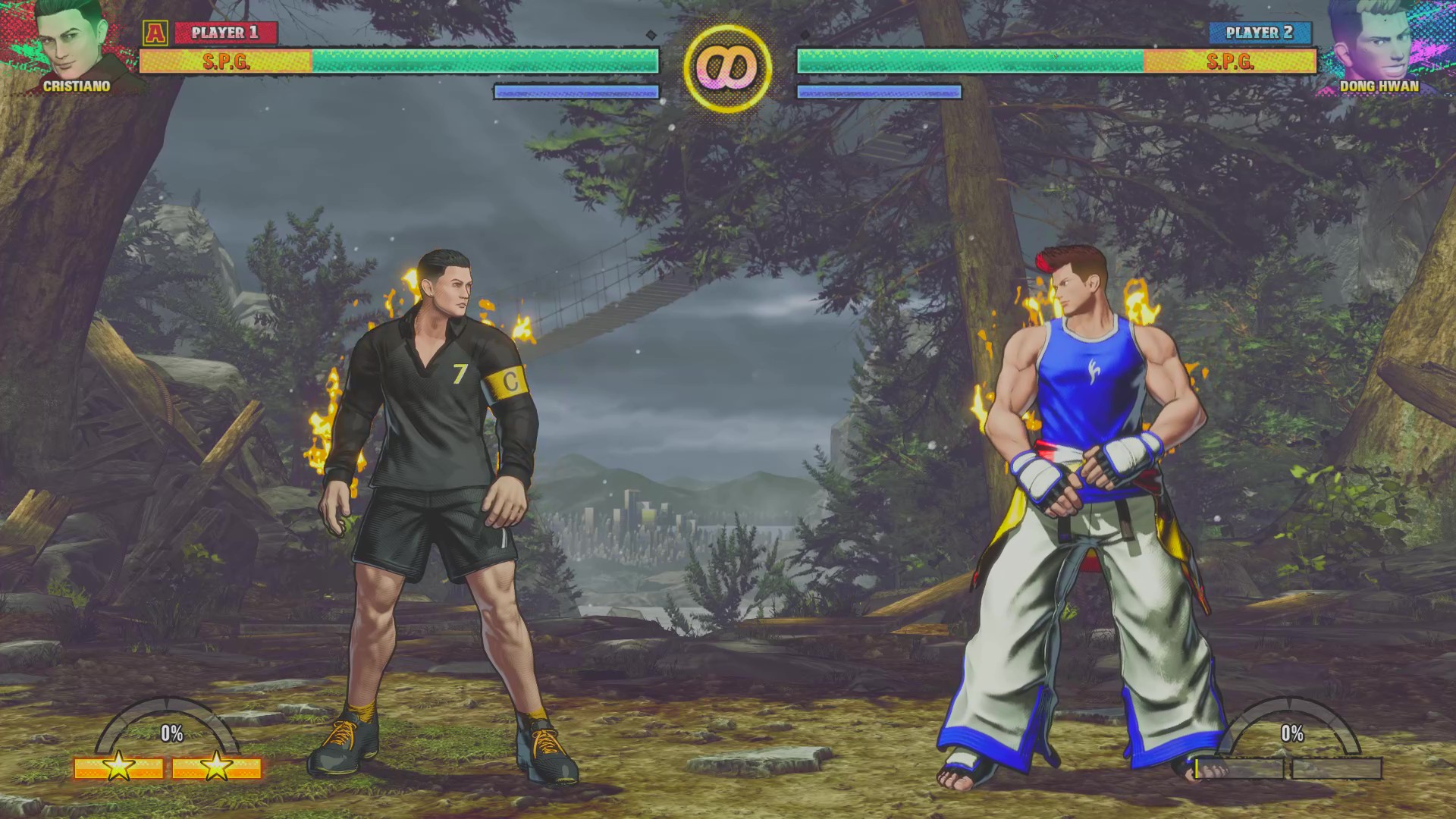
Two of the characters are where all of the pre-release noise around this game has stemmed from. Some EDM DJ I’ve never heard of who happens to be quite popular with the Saudi royal family called Salvatore Gannaci and, of course, one of the most famous people on the entire planet, figurehead of the PIF’s investment into football and alleged rapist, Cristiano Ronaldo. Bloody hell. Time to get back into the politics again.
“Doesn’t affect us in any way”, does it? Hmm.
Both characters have some undeniably fun and unique mechanics to their fighting styles, with Salvatore being something of a comedy character with some daft animations and some interesting stuff from a bizarre flight stance. Ronaldo is, unsurprisingly, based around his not insubstantial footballing ability, where he summons some fireball football and can use it to set up some tricky situations for the opponent to deal with. Problem is, compared to the rest of the roster they’re both just so ugly – they feel completely out of place. Ronaldo, especially, is lacking in any kind of flair or unique look – he’s just a guy wearing a football kit. Interestingly, Ronaldo cannot be edited in the colour edit mode, nor does he have any arcade mode content. Almost like he was stuck into the game late in development at the behest of the owners in an attempt to sell the game to a potentially giant market of casual fans who want to play as Ronaldo.
“Doesn’t affect us in ANY WAY.” I don’t think I believe you, Oda-San.
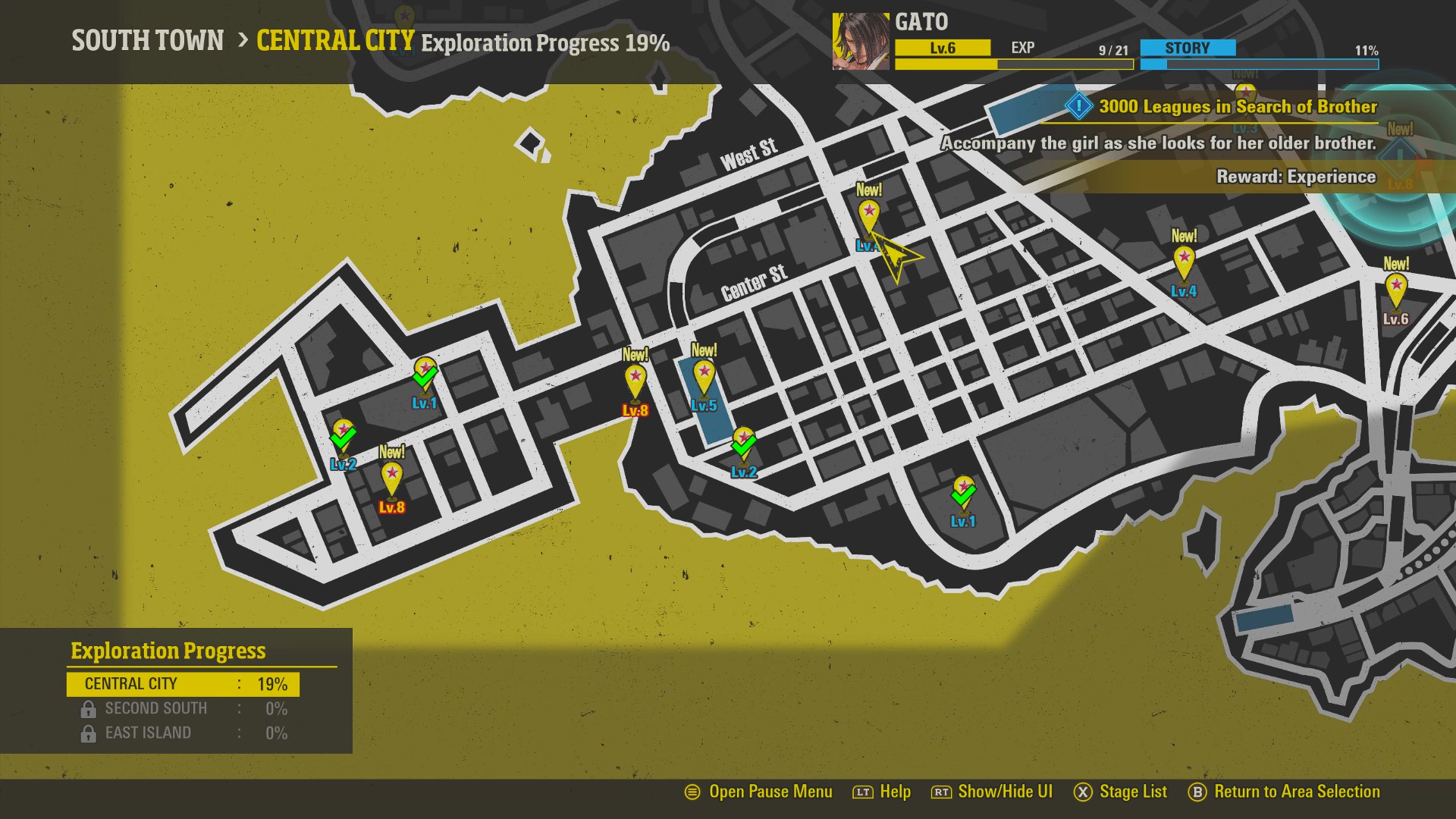
Unfortunately, City of the Wolves doesn’t have a massive amount of quality content for casual players – especially those attracted to the game because of a certain alleged rapist/footballer. Episodes Of South Town is the main single player mode, where you fight a load of tedious matches against generic opponents, with the occasional victory condition thrown in. It doesn’t really work, though. There’s a basic RPG element to it, with wins unlocking specific perks you can equip on your character as well as increasing your damage dealt and taken, which means as long as you stay slightly above the level curve it’s far, far too easy to be engaging – you can practically sleepwalk your way to the end. It’s a grind, it’s not particularly interesting and the stories that provides the motivation for each character to fight their way around South Town is some variation on ‘trying to track someone down’. It’s all quite generic and feels like a means to an end.
Arcade mode fairs a bit better in regards to fleshing out the ongoing Fatal Fury storyline and even features a few cool, non-playable secret boss characters that fans of the series are going to get a kick out of seeing, but at the end of the day it’s just a simple arcade ladder, which isn’t really enough to keep a casual player engaged in 2025.
Honestly, with the Fatal Fury branding being plastered over the Wrestlemania ring as I write this, it feels like SNK have spent more money on marketing this game to this much wanted casual audience than on the single player content that’s going to allow them to actually enjoy the bloody game in the first place. Even if all of this grim marketing works and the game sells like gangbusters, I don’t expect a good majority of that new audience to stick around past the first month, nevermind deep into additional seasons of content. Even the tutorials and training modes are lacking in regards to the tools needed to convert these people into hardcore fighting game fans, being extremely bare bones and far from having anything near the brilliant suite of options found in Street Fighter 6. When compared to the cinematic story modes of Tekken 8 and Mortal Kombat 1 or Street Fighter 6’s Yakuza-esque ‘World Tour’ mode, the single player content is, frankly, pretty poor.
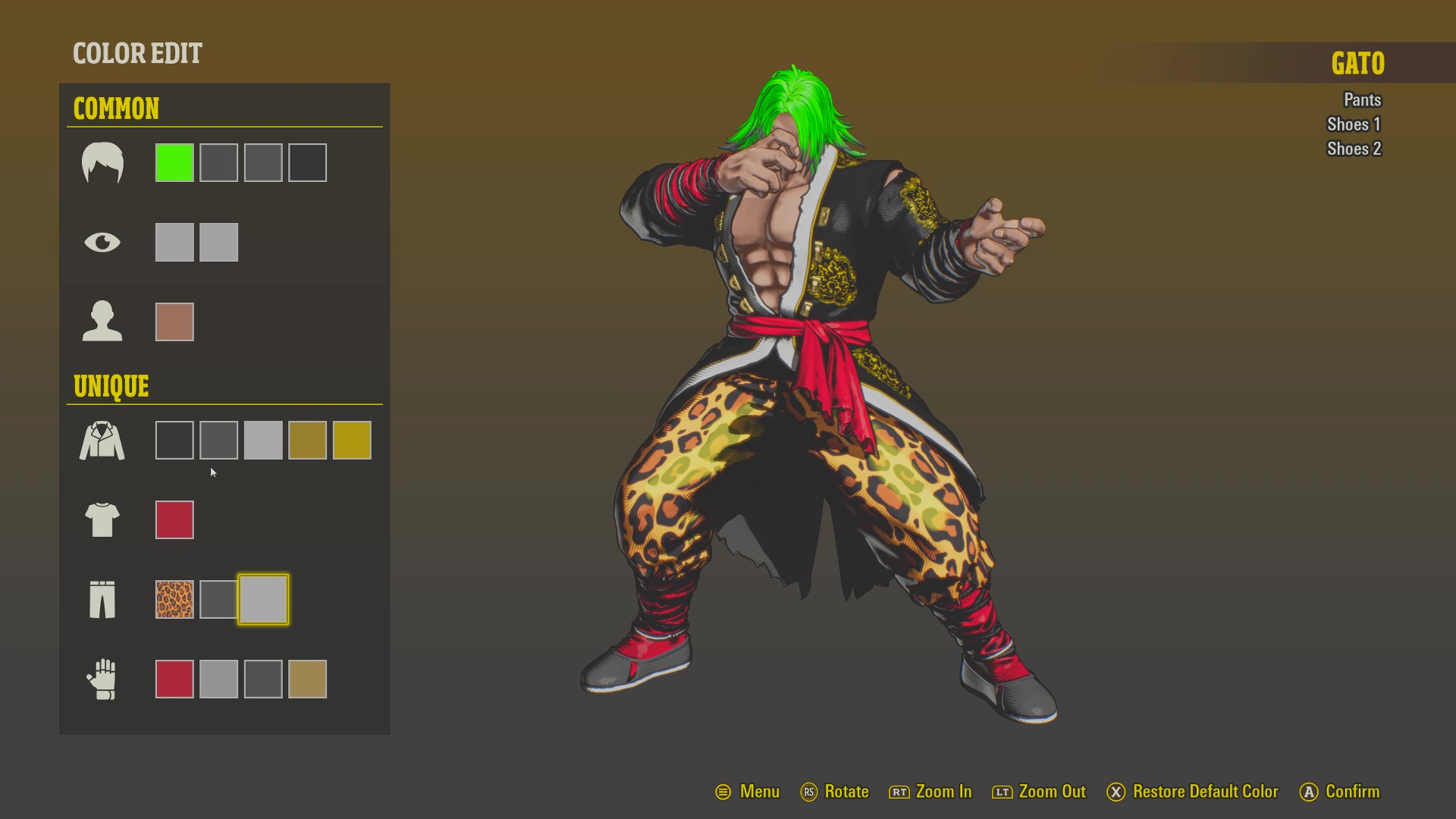
Thankfully, the content that matters for those who care about a new Fatal Fury is decent. The fighting itself is exceptional. The rollback netcode seems to be stable and reliable. The online matchmaking isn’t really possible to test during the review period but the multiplayer lobbies have all the necessary features a modern fighting game needs and are all implemented well. The colour edit mode is a throwback to some classic fighting games and allows for some fun character customisation, whilst the artwork gallery and jukebox are packed with classic Fatal Fury content for the hardcore fans of the series. I’m not sure the average Ronaldo fan is going to be particulary fussed about having several versions of Geese Howard’s theme available to listen to at any time, mind. Also, the menus are Call of Duty levels of bafflingly awkward – unresponsive, unintuitive and feel a total mess.
Now, I need to stress because there’s no doubt some people out there who are going to think there’s some kind of agenda to some aspects of this review, but despite banging on about the owners and the marketing a fair bit during this review, I’ve not let any of this factor into my score of the game because really, if it IS enough to affect the score for YOU, then ANY score is irrelevant – it’s a total dealbreaker. Just because I happen to fall into the camp who truly loves this genre and is willing to tolerate an awful lot, because I get to play a sequel to one of my favourite fighting games ever, I can’t expect everyone to feel the same. I guess I’ve had a bit of practice at it already, mind.
Much like a football club, fighting games have a loyal community built up around them. They’re not just videogames, they’re something that people are fiercely loyal about, tied to social groups and huge gatherings around competitive tournaments. People cosplay their favourite characters, create art and endless other multimedia around their chosen games and real friends (and enemies) are made because of this genre, moreso than others. The game is great, it’s a real Carabao Cup win of a fighting game. They’ve brought back a genuine classic fighting game and done so in a way that manages to expand and modernise what made it so great without losing sight of why it was so beloved in the first place.
It’s just a shame there’s this mess around it, with this strange focus on expanding Fatal Fury to this potential giant audience of casual Ronaldo fans then offering near to no compelling content for them to actually play, unless they fancy going online and getting pumped. We all know how that ends up – hundreds of copies lining the shelves of your local CEX store. I don’t imagine there’s many Fatal Fury fans out there who wouldn’t much prefer two actual Fatal Fury characters rather than two characters clearly stuck into the game due to some hefty influence from their controversial owners. I’m sure they would prefer the game to not be associated with KSI and his bunch of cronies. Sadly, I’m also absolutely certain that if it wasn’t for SNK’s owners having more money than God at their disposal, we’d not be playing this otherwise excellent sequel to Mark of the Wolves. C’est la vie, etc.
I’m a lifelong fan of fighting games. I love fighting games and I love this game, but honestly, I hate all of this.